

Hidden water damage from failed waterproofing
Inadequate shower or wet-area waterproofing can cause moisture and mold damage that surfaces months after installation, driving completed-operations claims.
Try a different word, or check the spelling.
Customers see the tile, while much of your preparation remains underneath it. Insurance for resulting damage needs to be understood separately from tearing out and resetting a floor or wet-area finish.
The Southern Agency can help you protect your business through coverage that addresses both field-installation risks and equipment security.
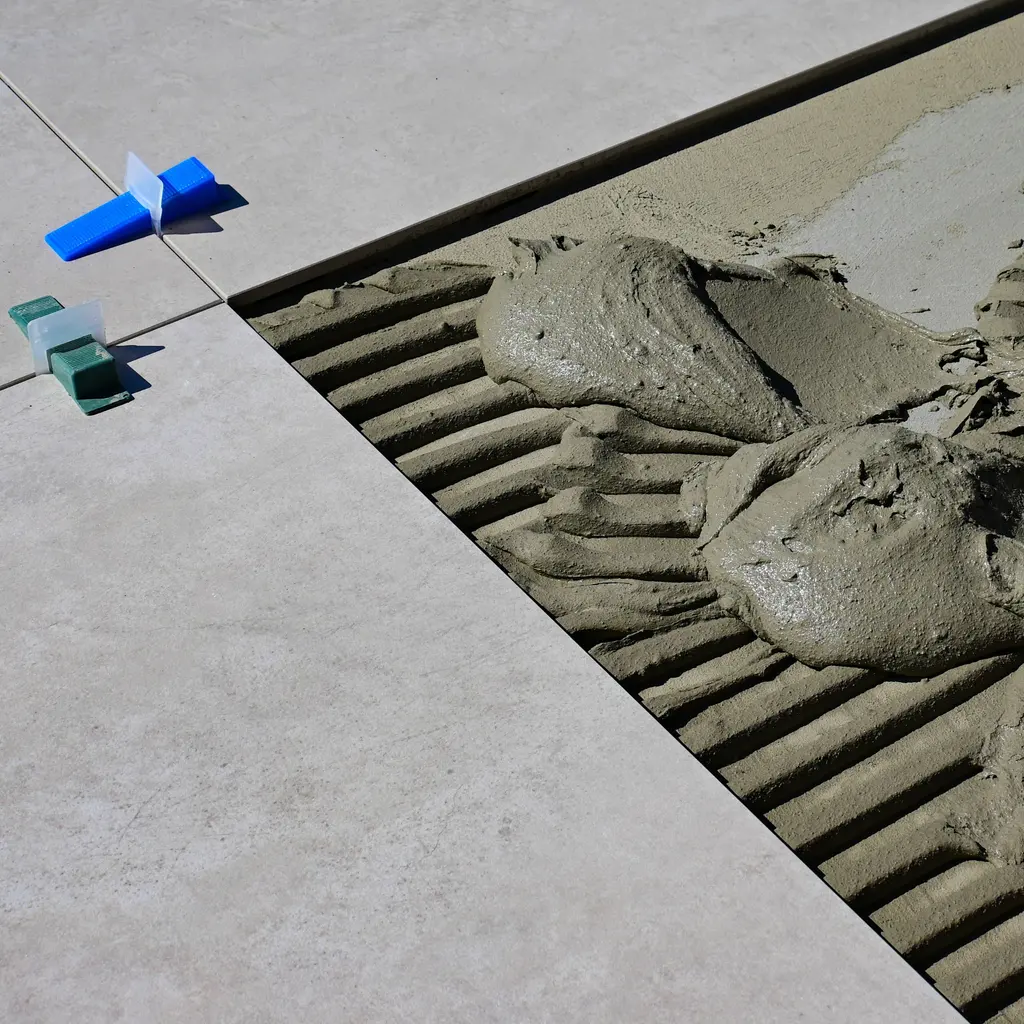
You prepare wet areas and install finishes in occupied homes, where a minor error in waterproofing can lead to hidden water intrusion and mold. Managing debris and dust while working around customer furnishings is a constant responsibility for your team.
The Southern Agency can review your field and shop operations to help you select appropriate insurance. For example, we can discuss how general liability may address property damage caused by tile work, distinct from the protection for your saws and mixers while in transit.
Inadequate shower or wet-area waterproofing can cause moisture and mold damage that surfaces months after installation, driving completed-operations claims.
Working in furnished interiors risks scratched floors, chipped cabinets, and damaged fixtures from tools, mortar, and foot traffic.
Cutting products that contain crystalline silica can expose crews and bystanders. Review the materials, tasks and controls; wet cutting can reduce dust but does not itself establish safe exposure.
Moving heavy boxes of tile and large stone slabs exposes workers to back, hand, and crush injuries.
Improper substrate prep or setting can cause tiles to crack or lift, leading to costly tear-out and replacement claims.
Wet saws, mixers, levelers, and hand tools are exposed to theft from vehicles and job sites between projects.
Policies to ask about. Which ones fit depends on your operations, your contracts, and the carrier’s forms.
These hypothetical examples are not agency claim results. Whether a loss is covered depends on the facts, policy terms, and applicable exclusions.
Hypothetical: a homeowner reports ceiling staining below a tiled shower after handoff. GL may address covered resulting harm under actual waterproofing duties, water/mold and completed-work terms. Preserve substrate, membrane, testing and damage records; staining does not by itself establish your fault, and tile or membrane redo is separate.
Hypothetical: a tool scratches adjacent hardwood during a backsplash job. GL may address covered resulting damage under actual work-property and custody terms. Identify the surface being worked on and what was harmed; the customer's ownership or a floor outside the tile area alone does not establish payment.
Hypothetical: a wet saw and tile cutter are stolen from a locked van overnight. Equipment terms may address covered theft under actual values, transit/storage and security conditions. Locking the van alone does not establish every theft condition, and tile stock, van damage and missed job time are separate interests.
Start with the work you do and the questions your current policies leave unanswered. Carrier options depend on your location, risk, and underwriting. Explore our approach.
Leaks can cause injury or damage to other property after installation, but cracked tile or failed grout may only require correction. Check the waterproofing responsibilities, resulting harm, relevant dates, and completed-operations exclusions. A callback months later is not automatically an insured loss.
General liability may help with covered damage to other property, but review the particular property being worked on and any custody exclusions. The tile itself and an adjacent hardwood floor or ceiling can be different interests. Payment depends on the facts and terms.
Inland marine coverage may help protect saws, mixers, and hand tools against theft and damage in transit or on site. Coverage depends on scheduled values and endorsements.
Get the subcontract’s written insured parties, limits, and ongoing or completed-operations endorsements before work. Compare them with the policies rather than relying on a certificate to add rights or prove every requirement is satisfied.
Identify the tile or stone products, cutting tasks, and controls, then review employee benefits separately from silica allegations by others. The liability policy may have silica or pollution exclusions. Wet methods and insurance documentation do not establish safe exposure or remove an exclusion.
Possibly, if the insurer accepts the shop and installation operations. Review the property locations, stock, off-site tools, wet-area work, and exclusions, with workers’ compensation and vehicles considered separately. A small showroom alone does not establish eligibility or savings.
Bring your questions, current policies, and relevant contracts. An agent can review coverage terms, exclusions, and the information carriers ask for, then explain the options available to you.