

Existing utility strikes and outages
Damaging in-service gas, electric, water, or fiber lines can cause explosions, outages, and widespread third-party loss.
Try a different word, or check the spelling.
Businesses and residents may depend on the service running beside your work. Coverage for a utility strike needs to distinguish injury or property damage from the wider interruption claims that can follow.
The Southern Agency can help you review your utility construction operations and contractual requirements for insurance.
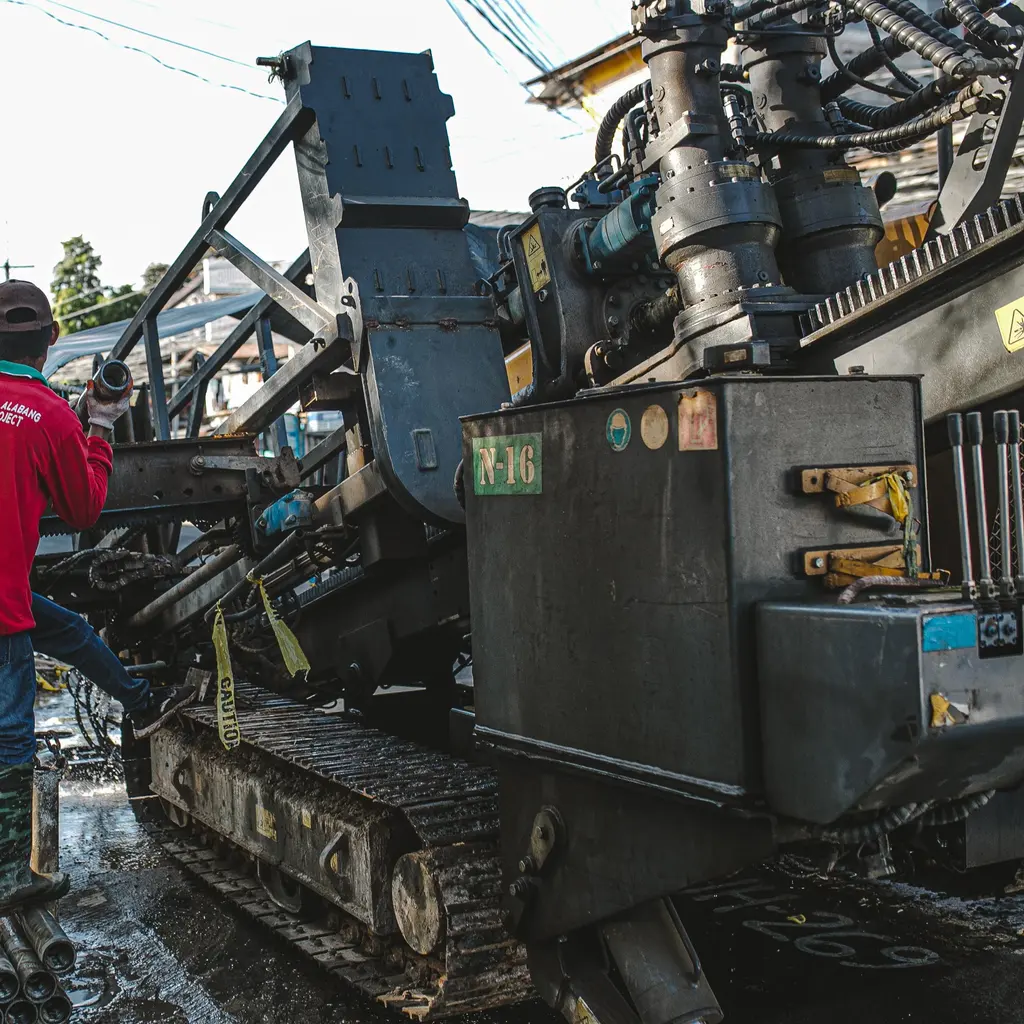
You build or maintain lines that may run alongside in-service water, sewer, gas, electric or fiber systems. A strike can damage more than the line in your path, injure people and interrupt neighboring businesses. Your actual utility types, energized work and locating or traffic duties determine the insurance questions.
The Southern Agency can review your installation sites and utility work to help you select appropriate insurance. We can assist you in verifying coverage for liability in public spaces and help you coordinate protection for your fleet and equipment against site-based damage.
Damaging in-service gas, electric, water, or fiber lines can cause explosions, outages, and widespread third-party loss.
Working alongside roads and sidewalks exposes the public and traffic to open excavations, equipment, and trip hazards.
Crews near overhead and underground electrical systems face electrocution and arc-flash injury exposure.
Trucks, boring rigs, and trenchers travel constantly between sites, raising auto accident and equipment loss risk.
Sewer breaks, fuel releases, or disturbed contaminated soil can require cleanup and trigger regulatory claims.
An outage caused during construction can interrupt service to businesses and residents, prompting consequential claims.
Utility owners and municipalities may specify limits, endorsements, and bonds. Confirm the requirements and insured operations before accepting the contract.
Policies to ask about. Which ones fit depends on your operations, your contracts, and the carrier’s forms.
These hypothetical examples are not agency claim results. Whether a loss is covered depends on the facts, policy terms, and applicable exclusions.
A boring crew severs a fiber backbone, interrupting service to area businesses. Review the damaged line, repair demand, any loss of use and the businesses’ revenue claims separately. Utility, underground, and impaired-property terms matter; physical damage to the cable does not establish payment for every interruption claim.
Hypothetical: a loaded utility truck causes a collision between sites. Auto may address covered third-party harm under actual insured vehicle, driver and use terms. Selected truck physical damage, mounted boring equipment and the pipe load need separate review rather than treating everything carried as auto property.
Hypothetical: an installation break releases sewage into surrounding soil. Environmental terms may address covered cleanup if the actual substance, operation, site conditions and reporting are included. Repairing the line, restoring service and every fine or pre-existing condition are not automatically included with remediation.
Start with the work you do and the questions your current policies leave unanswered. Carrier options depend on your location, risk, and underwriting. Explore our approach.
Utility contractors commonly carry general liability, workers' compensation, business auto, equipment, and environmental coverage. The right mix depends on the utilities installed and operations, subject to underwriting.
Not every interruption demand follows from coverage for the damaged line. Identify physical damage, injury, loss of use, and revenue-only claims separately, then review utility, underground, and impaired-property terms. A repair bill or a high limit does not establish that all affected businesses’ losses are insured.
Separate vehicle liability and physical damage from mounted rigs, mobile equipment, tools, and pipe loads. Compare definitions and schedules during travel, setup, and work, including hired items. There is no universal rule that auto covers everything on the road and inland marine everything at the site.
If a line break or disturbed ground can release pollutants, environmental liability may respond to cleanup that standard liability often excludes, depending on policy terms and the facts.
Read the bid, contract and applicable public-work requirements for the type and timing of any bond. Performance and payment bonds serve different purposes, subject to surety approval. They do not replace utility-strike liability or insure every outage and contract charge.
Large injuries or property losses may justify considering additional limits, but match excess to the underlying utilities, vehicles, and other liabilities. More limits do not automatically add pollution coverage or turn every service-interruption demand into an insured loss.
Bring your questions, current policies, and relevant contracts. An agent can review coverage terms, exclusions, and the information carriers ask for, then explain the options available to you.