

Main break and pressurized flooding
A failed joint or test can release water under pressure, flooding streets, basements, and nearby property.
Try a different word, or check the spelling.
Your job may not end when water service resumes: the road cut still has to be restored. Coverage for resulting injury or damage differs from paying to correct the patch or a failed test.
The Southern Agency can help you align your water main installation work with appropriate insurance and bonding requirements.
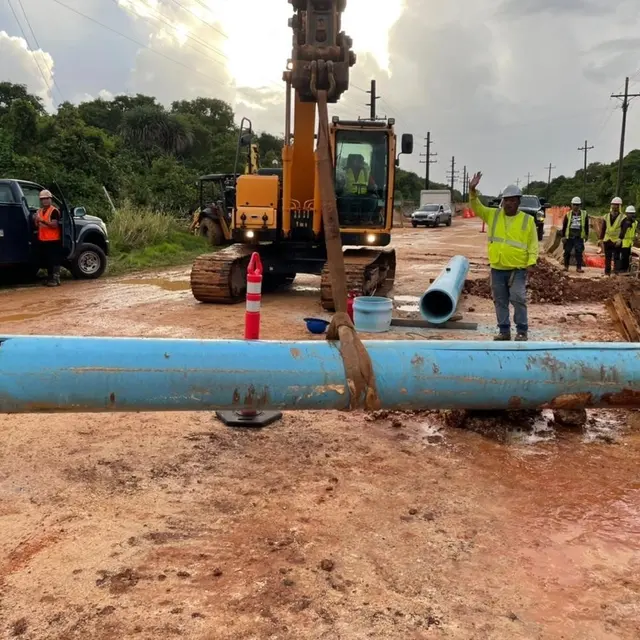
You install and repair pressurized water mains in active roadways, where a pipe failure or joint blowout can cause flooding and service loss to entire neighborhoods. Managing these risks involves addressing excavation safety and roadway restoration duties.
The Southern Agency can review your water main projects and municipal requirements to help you select appropriate insurance. We can help you clarify how liability for flooding or road-cut restoration fits with the equipment insurance needed for your excavators and pumps.
A failed joint or test can release water under pressure, flooding streets, basements, and nearby property.
Deep cuts in active streets expose crews and the public to traffic, cave-in, and struck-by injuries.
Tapping mains near gas, electric, and sewer lines risks costly strikes and third-party damage.
Shutdowns during installation can interrupt service to neighborhoods, prompting consequential claims.
Road cuts must be restored properly, and settlement or failed patches can lead to liability and rework.
Improper disinfection or backflow during tie-ins can raise potable-water contamination concerns.
Public water authorities may specify limits, endorsements, and bonds. Compare the bid and contract with policy and surety terms rather than assume every main project has the same requirements.
Policies to ask about. Which ones fit depends on your operations, your contracts, and the carrier’s forms.
These hypothetical examples are not agency claim results. Whether a loss is covered depends on the facts, policy terms, and applicable exclusions.
A newly tapped main fails and floods nearby basements. General liability may respond to third-party water-damage claims, depending on policy terms and the facts of the incident.
A restored road cut settles and damages a passing vehicle's suspension. General liability may respond to the claim, subject to the specific policy, endorsements, and exclusions.
Excavation for a tie-in nicks an adjacent gas line, forcing an evacuation. General liability may respond to third-party damages, depending on policy terms and the facts of the incident.
Start with the work you do and the questions your current policies leave unanswered. Carrier options depend on your location, risk, and underwriting. Explore our approach.
Mains carry water under pressure, so a break can flood streets and property quickly. GL may address covered resulting injury or other-property damage under accepted main-work and underground terms. Repairing the failed joint and every water-service interruption are separate questions, not automatic covered costs.
GL may address covered injury or other-property damage caused by a failed patch, such as damage to a passing vehicle. Separate that harm from redoing the settled patch. Review completed-operations terms, work restrictions and dates; failure to meet restoration specifications alone does not establish an insured liability loss.
Environmental terms may address covered cleanup or third-party pollution claims from included contamination or backflow events. Check accepted water-main operations, pollutants, prior conditions, and reporting. Routine disinfection, failed tests, preventive work, penalties, and cleanup after a covered release are different costs, not automatically one insured loss.
Read the actual municipal bid and applicable public-work requirements for bond types and timing. Performance and payment bonds support different obligations to the obligee or eligible beneficiaries, subject to capacity review and approval; indemnity may require reimbursement. Bonds do not replace main-break insurance or guarantee every test, restoration or delay cost is reimbursed.
Inland marine may address covered physical loss to insured excavators, tapping machines, and pumps at sites or in transit. List them separately from trucks, trailers and pipe loads and compare ownership, values, hire, causes and stages. Travel between sites does not make every item or load part of auto physical damage.
Flooding or a serious roadway injury may exceed a primary limit; an umbrella or excess policy may add limits above covered underlying liabilities. Compare scheduled policies, accepted utility operations, attachment and pollution or other exclusions. A larger limit does not automatically insure every shutdown demand, failed test or repair to the main.
Bring your questions, current policies, and relevant contracts. An agent can review coverage terms, exclusions, and the information carriers ask for, then explain the options available to you.