

Bulk tank failure and large spills
Large storage tanks holding substantial volumes can fail or leak, releasing fuel oil into soil and water and creating major cleanup obligations.
Try a different word, or check the spelling.
Your product may leave by truck or barge, changing the setting for the transfer. Pollution protection needs to follow the actual loading arrangements, while stock damage and customer boiler claims remain separate concerns.
The Southern Agency can help compare your tank and fuel interests with transfer responsibilities, earlier release information and outage-income needs.
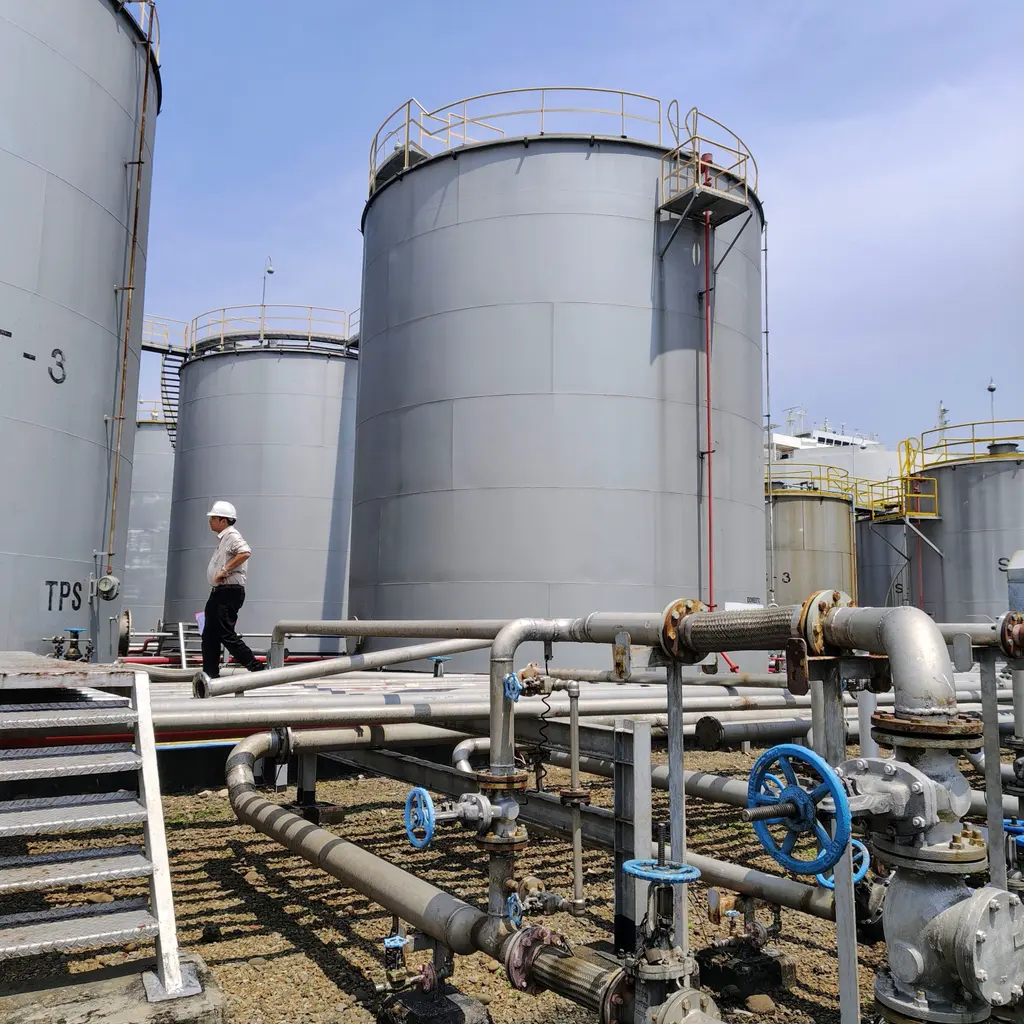
You store and blend distillate and residual fuel oils, dispatching them by barge or tanker. A tank leak, transfer-pump failure, or loading-rack spill can cause contamination and product loss.
The Southern Agency can review your fuel grades, heating and transfer arrangements alongside the insurance you request. We can compare plant property and pollution interests with the separate duties involved in truck or barge loading.
Large storage tanks holding substantial volumes can fail or leak, releasing fuel oil into soil and water and creating major cleanup obligations.
High-volume transfers between tanks, trucks, and barges raise the risk of line ruptures and overfills that release product offsite.
Heaters used to keep heavier fuel oils flowing introduce fire risk if a leak meets an ignition source near process equipment.
Failure of transfer pumps, heaters, or metering systems can halt blending and loading and delay customer shipments.
Loading product to trucks and barges exposes the plant to spill, overfill, and waterway pollution claims during transfer.
Water intrusion or cross-contamination in storage can leave fuel off-spec, leading to claims from heating and industrial customers.
Policies to ask about. Which ones fit depends on your operations, your contracts, and the carrier’s forms.
These hypothetical examples are not agency claim results. Whether a loss is covered depends on the facts, policy terms, and applicable exclusions.
A tank seam leak releases fuel oil that migrates toward groundwater, leaving site investigation and cleanup costs. Environmental liability may pay covered remediation if the location, pollution condition, and reporting fit its terms. Investigation must establish whether groundwater was affected. Repairing the tank and replacing lost fuel are separate costs.
A leak near a heater ignites and damages process equipment, leaving repair costs and interrupting loading. Property may pay covered fire damage to the insured assets. Equipment breakdown needs a qualifying mechanical, electrical or pressure-system cause; a fire beside a heater is not by itself that cause. Applicable income terms may pay actual covered earnings loss and continuing expenses during restoration, with waiting and valuation conditions.
Hypothetical: water-contaminated fuel damages a customer's boiler after delivery. Applicable product liability may help with covered defense and resulting equipment-damage claims if the fuel grade, use and supplied work fit. Replacing or reblending the fuel, withdrawing other loads and paying delay charges need separate terms; an off-spec test result alone is not that injury-or-damage trigger.
Start with the work you do and the questions your current policies leave unanswered. Carrier options depend on your location, risk, and underwriting. Explore our approach.
Property may pay covered site damage; breakdown may pay qualifying equipment repairs. Environmental liability addresses covered releases, while GL may address covered third-party injury or property claims. Product protection may form part of GL or be written separately, so compare shared or separate limits. Workers compensation addresses covered employee benefits, and excess may add liability limits. Fuel grades, heating, ownership, custody, and shipping duties determine the interests to assess. Truck, cargo, vessel and offsite pollution protection are not established by the plant's premises limit.
Bulk tanks and transfer lines can release substantial fuel volumes into soil or water. Environmental liability may pay covered investigation, remediation, response, defense, and third-party claims. Own-site cleanup and liability to others need their actual grants, and locations, fuels, earlier conditions, and reporting matter. A slowly developing leak is not automatically included because a sudden release is insured. Tank repairs, replacing lost product, routine upgrades, and every fine are separate payment questions.
Property may pay covered fire or other insured physical damage to the listed tanks, pumps, and heaters. Identify ownership, values, locations, and the actual cause. A listed tank does not make corrosion, every leak or contaminated stock covered. Repairing a fire-damaged heater is different from establishing an insured mechanical, electrical or pressure-system breakdown. Lost earnings and pollution cleanup require applicable separate terms.
Water intrusion or contamination can damage a customer's boiler or other equipment and lead to a product-related claim. Product liability may pay covered defense and resulting damages, with grade, delivery, use, and damage evidence informing responsibility. A failed specification alone is not the same as that equipment-damage claim. Fuel replacement, reblending, withdrawal, and quality guarantees need separate treatment. Product protection may sit within GL or separately, so establish whether limits are shared.
Cargo or applicable transit terms may pay covered loss of the fuel load if they insure the actual commodity, ownership or carrier interest, route and transfer stages. That payment is different from repairing a truck or vessel or paying third-party damages. Road auto terms, marine interests and transportation pollution terms need their own grants, parties, and conditions. A transported load of fuel is not the truck's operating fuel. Identify who hauls, operates the vessel, employs the crew, and bears cargo or spill responsibility; a premises limit does not establish all of those protections.
Provide bulk storage capacity and tank count, age, integrity, and secondary containment; the actual heaters and heavy grades; proximity to groundwater and surface water; tanker and barge loading volumes; spill-response infrastructure; and employee headcount, payroll, and loss history. Ownership, requested interests, values, limits, and deductibles also matter. These inputs support an individual assessment, not a rate formula or a promise of current coverage availability.
Bring your questions, current policies, and relevant contracts. An agent can review coverage terms, exclusions, and the information carriers ask for, then explain the options available to you.