

Line rupture and large crude spills
Corrosion, ground movement, or weld failure can rupture a line and release crude into soil, groundwater, or waterways, driving major cleanup and liability.
Try a different word, or check the spelling.
You depend on control systems to oversee lines and stations spread across different properties. Cyber response and physical spill protection need to work with that reality without assuming one policy pays for both.
The Southern Agency can help review the insurance interests in your route, stations, controls and release-response duties.
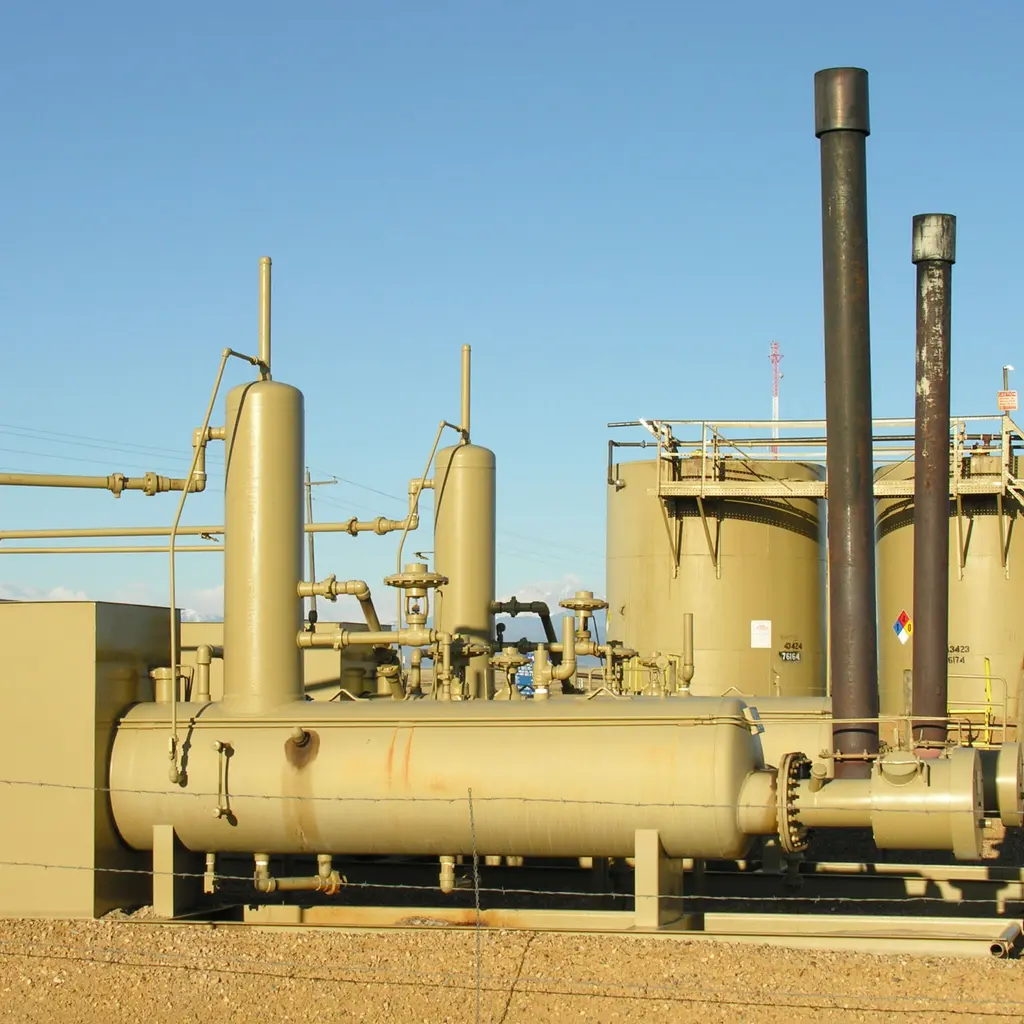
Your pipeline network transports crude across vast distances, with assets buried or exposed in varied terrain. Excavation strikes, corrosion or ground movement can cause leaks, creating significant cleanup and response obligations.
The Southern Agency can use your route, asset schedules and operating responsibilities to help identify insurance questions. We can compare pollution, property, machinery and cyber terms without treating a control-system response limit as cover for every spill or shutdown.
Corrosion, ground movement, or weld failure can rupture a line and release crude into soil, groundwater, or waterways, driving major cleanup and liability.
Third-party excavation along the right-of-way can strike buried lines, causing releases and injury claims.
Pipelines cross private and public land, so releases and operations can affect many landowners, communities, and natural resources.
Pump stations and metering facilities carry fire risk and rely on pumps and controls whose breakdown can halt flow and interrupt deliveries.
SCADA and control systems are essential to flow integrity, and a cyber event could disrupt operations or contribute to a release.
Dispersed, often unstaffed infrastructure can delay leak detection and response, increasing the volume and reach of a release.
Policies to ask about. Which ones fit depends on your operations, your contracts, and the carrier’s forms.
These hypothetical examples are not agency claim results. Whether a loss is covered depends on the facts, policy terms, and applicable exclusions.
Corrosion ruptures a buried line and crude moves toward a river, creating containment and cleanup costs. Environmental liability may pay covered release-response and cleanup expenses. A natural-resource claim concerns assessment and restoration under its own facts, law and insurance terms; movement toward the river does not establish that oil entered it or injured resources. Repairing the corroded pipe is a separate property and cause-of-loss question.
A contractor's excavation strikes a line and releases crude on private land, creating line-repair and cleanup costs. Environmental liability may pay covered cleanup and pollution claims; own-line repairs need applicable property terms. GL may pay covered third-party injury or property-damage claims, but the scenario does not establish an injured person. Fault, operator and contractor responsibilities, insured parties, and pollution terms matter; the contractor's involvement does not settle every payment.
A station pump fails and halts flow, creating repair costs and interrupted deliveries. Equipment breakdown may pay covered pump repair if an insured mechanical or electrical failure caused the loss; wear alone is not enough. Lost earnings and extra expense need applicable interruption, waiting-period and restoration terms. Reduced barrel movements, a shipper's losses and contractual delay charges are not automatically the operator's covered income.
Start with the work you do and the questions your current policies leave unanswered. Carrier options depend on your location, risk, and underwriting. Explore our approach.
Environmental liability may pay covered pollution costs; property and breakdown address different insured damage to declared assets. GL and excess concern specified covered third-party liabilities, cyber addresses its defined security events, and workers compensation addresses eligible employee benefits. Identify route, ownership, custody, control, and workforce duties. A list of stations and policies does not prove every buried line, shipper product, release or lost earning is insured.
A release away from a staffed station can affect landowners, soil or water and create containment, cleanup and liability costs. Natural-resource assessment and restoration are distinct from immediate cleanup and private property claims. Location, actual impact, release history, and reporting govern the analysis. Environmental liability may pay insured costs, but proximity to a river does not prove resource injury, and a cleanup obligation does not establish cover for every sanction or prior condition.
An excavation strike can create separate pipe-repair, spill-cleanup and third-party claims. Environmental liability may pay covered pollution costs; property may address insured own-line damage, and GL may pay covered third-party injury or property-damage claims. Identify the parties, duties, facts, pollution terms, and any contractual allocation. A contractor causing the strike does not alone establish fault, release the operator from every obligation or prove a policy payment.
Compromised controls can disrupt monitoring and operations. Cyber may pay covered investigation, recovery, liability, or interruption after its defined event, with the insured systems, providers and waiting periods checked. Equipment damage, injury or a resulting spill need their own applicable grants and exclusions. Neither a compromised SCADA system nor a precautionary shutdown establishes that all physical losses or missed deliveries are insured.
Property may pay covered fire or other insured damage to declared pumps, motors, valves, and controls. Breakdown may pay qualifying internal mechanical or electrical repair; wear, maintenance or simply stopping is not enough. Resulting lost earnings and extra expense need applicable income terms and repair and restart estimates. Station cover does not establish buried-pipe, spilled-product, or customer-delay protection.
Provide mileage and line age, corrosion and integrity programs, leak-detection and SCADA capability, the number and sensitivity of water crossings, spill-response resources, pump-station count and equipment condition, and prior releases or incidents. Asset values, ownership, employee duties, and custody obligations also inform an individual assessment. Those inputs do not establish a price, available limits or current coverage terms.
Bring your questions, current policies, and relevant contracts. An agent can review coverage terms, exclusions, and the information carriers ask for, then explain the options available to you.