

Leak near customers
A main, service line, or regulator failure can ignite near homes and businesses.
Try a different word, or check the spelling.
Your service fleet may be handling routine maintenance one moment and an odor report the next. Liability and vehicle protection need to fit disclosed response duties, with emergency costs and pollution considered on their own terms.
Talk with The Southern Agency about your operation, policy terms, and the information carriers need.
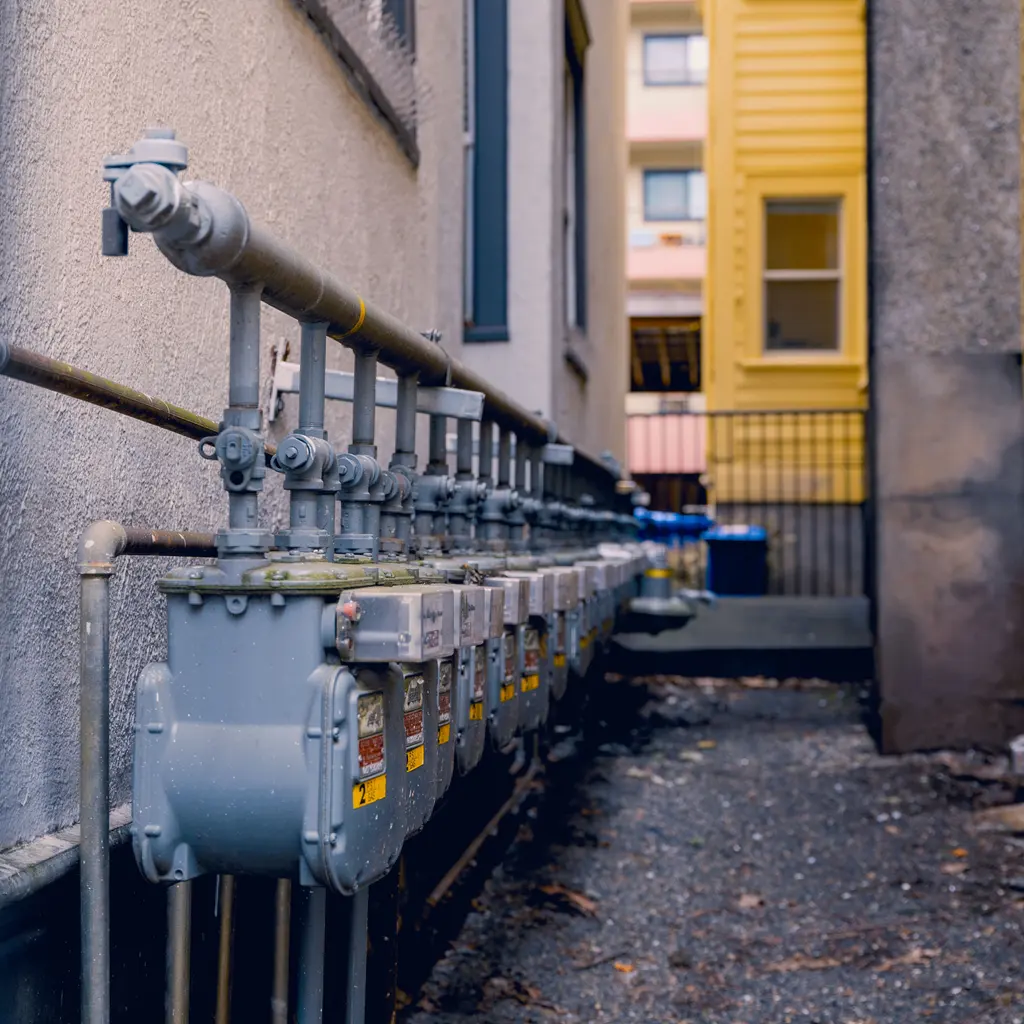
You deliver natural gas through local mains and service lines to homes and businesses. A leak near a building or a disputed line locate can lead to injury, property damage and claims about the utility's response.
The Southern Agency can review your distribution network, leak-response protocols, and service fleet to help select insurance for liability, environmental protection, and equipment coverage.
A main, service line, or regulator failure can ignite near homes and businesses.
A dig-in can trigger evacuation and injury allegations, including disputes over locating or repair duties.
Crews face trench, electrical, and ignition hazards while vehicles travel throughout the territory.
Corrosion demands maintenance; customer accounts and billing systems create privacy and outage concerns.
Policies to ask about. Which ones fit depends on your operations, your contracts, and the carrier’s forms.
These hypothetical examples are not agency claim results. Whether a loss is covered depends on the facts, policy terms, and applicable exclusions.
A service-line leak ignites and damages a customer's building. Accepted utility liability may address covered defense and damages. Identify ownership and control of the line, alleged fault and gas-operation exclusions; repairing the utility's own assets is a separate interest.
An excavator strikes a main and an area is evacuated. Review who controlled locating and digging, ownership of the line and actual damage. Suitable property or utility-liability terms may address included repair or covered third-party claims; evacuation, response and penalties need their own provisions.
A crew truck collides with another vehicle while responding to an odor call. Accepted auto terms may address covered third-party defense and damages where the driver, vehicle and response use are included. Own-truck repairs need selected physical damage; employee injury benefits are separate.
Start with the work you do and the questions your current policies leave unanswered. Carrier options depend on your location, risk, and underwriting. Explore our approach.
Consider utility liability, network property, fleet, employee injury, and data protection, with pollution and excess suited to retained duties.
Suitable liability and excess may address covered allegations. The operation and relevant exclusions must be reviewed explicitly.
Fault and locating duties matter. Damage to the utility's line, public injury, and evacuation expenses are different losses.
Appropriate environmental terms may respond to defined release effects; gas escape does not establish every insured pollution cost.
Billing information creates privacy risk; control-system interruption and physical damage need additional wording review.
Assess severe public injury potential and contracts, ensuring underlying gas operations and relevant pollution risks are accepted.
Bring your questions, current policies, and relevant contracts. An agent can review coverage terms, exclusions, and the information carriers ask for, then explain the options available to you.