

A mechanical bottleneck stops flow
Pump or drive failure can idle the segment while specialized parts are sourced.
Try a different word, or check the spelling.
Your containment can limit where a release travels without eliminating cleanup duties. Pollution terms need to address the liquid and pathways at the station alongside, rather than inside, machinery-repair protection.
The Southern Agency can help compare pump and drive protection with separate release-response and interruption terms.
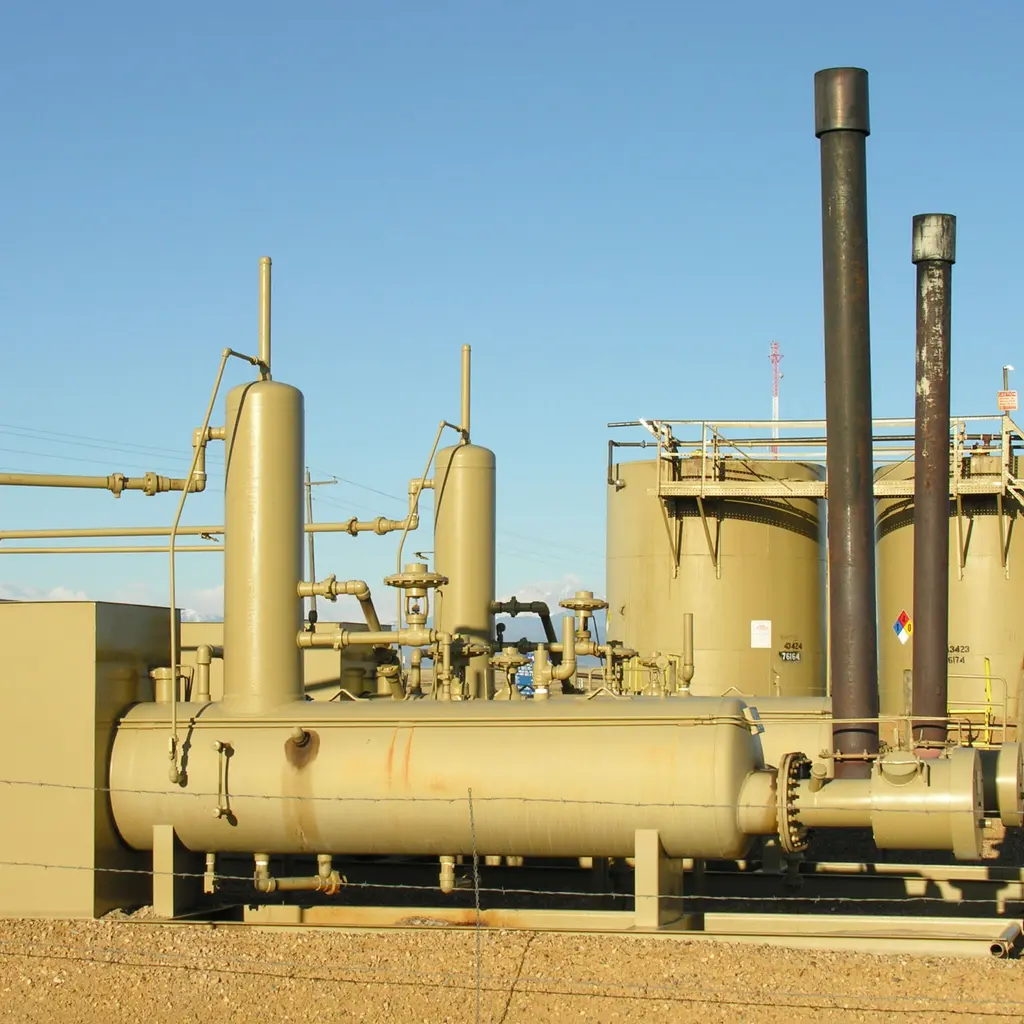
You operate pumping stations that use motors, pumps, and electrical controls to keep liquids flowing through pipelines. If a key drive fails, the entire connected line segment may be forced to stop.
The Southern Agency can review the liquids you handle, your equipment interests and how the station depends on common power and controls. We can help compare machinery, property and release-response terms while assessing what an insured interruption would mean for your own earnings.
Pump or drive failure can idle the segment while specialized parts are sourced.
Switchgear and control damage can take several pumping units offline.
Containment may limit a release without eliminating cleanup or third-party costs.
Monitoring dependencies can delay response; crews face rotating machinery, pressure, and electrical injury.
Policies to ask about. Which ones fit depends on your operations, your contracts, and the carrier’s forms.
These hypothetical examples are not agency claim results. Whether a loss is covered depends on the facts, policy terms, and applicable exclusions.
A drive motor suffers an internal failure and the segment loses pumping capacity while parts are sourced. Breakdown may help pay covered repairs to the included motor. Any income or extra-expense payment needs its own terms, actual spare capacity, waiting and restoration periods. Lost pipeline volume alone is not the station's insured earnings.
A switchgear fire damages controls and part of the station building, disabling several pumps. Property may pay covered fire damage to included assets; an originating electrical failure needs its applicable machinery provisions. Shared damage can lengthen repair and restart time, but linked income protection still needs its own trigger and limits.
A seal fails and released liquid escapes containment, reaching surrounding soil. Environmental terms may help pay covered investigation and remediation when the substance, release and insured duties fit. Check earlier conditions, start and discovery dates, reporting and emergency response. The soil release does not prove groundwater impact. Failed-seal repair, lost stock and customer delay demands need their own terms.
Start with the work you do and the questions your current policies leave unanswered. Carrier options depend on your location, risk, and underwriting. Explore our approach.
A critical pump, drive or shared electrical fault can interrupt the connected line, even where another pumping unit is available. A release and injuries to maintenance workers are different interests. Review actual dependencies, liquids and duties rather than assuming a machinery limit covers every consequence of lost flow.
Property may help repair included station machinery after covered damage, using its actual schedules or broader property grant. Confirm owners, values and cause. An internal mechanical or electrical failure may involve breakdown terms instead; wear alone, routine maintenance and every loss of earnings are not automatically included.
Environmental terms may help pay covered response, investigation, cleanup or pollution claims for included liquids, sites and duties. Containment can limit migration without eliminating response costs, but it does not establish a grant either. Compare earlier conditions, release timing, discovery and reporting, with failed equipment and lost product treated separately.
Applicable income terms may pay covered operator earnings and continuing expenses after their insured trigger. Use actual margin, available spare capacity and realistic repair and restart time, with waiting and restoration conditions checked. Lost volume, a customer's losses, a supply penalty or a precautionary stop is not automatically the covered amount.
Workers' compensation may pay covered benefits for included employees, with actual duties, employer and work jurisdiction checked. Another firm's maintenance crew has its own employment arrangements. A claim against the station by an outside worker needs its actual liability and contractual terms rather than an assumption that everyone has the station's employee benefits.
Bring your questions, current policies, and relevant contracts. An agent can review coverage terms, exclusions, and the information carriers ask for, then explain the options available to you.