

Fire or loss of well control
A severe event can damage the structure and release hydrocarbons. Well-control expense is separate from ordinary property repair.
Try a different word, or check the spelling.
Getting a replacement part and its technicians to your platform can require marine or air transport. Offshore machinery protection needs to account for that access, separately from well-control and crew-injury arrangements.
The Southern Agency can help you review platform interests, offshore transport interfaces and separate well-control, pollution and crew obligations.
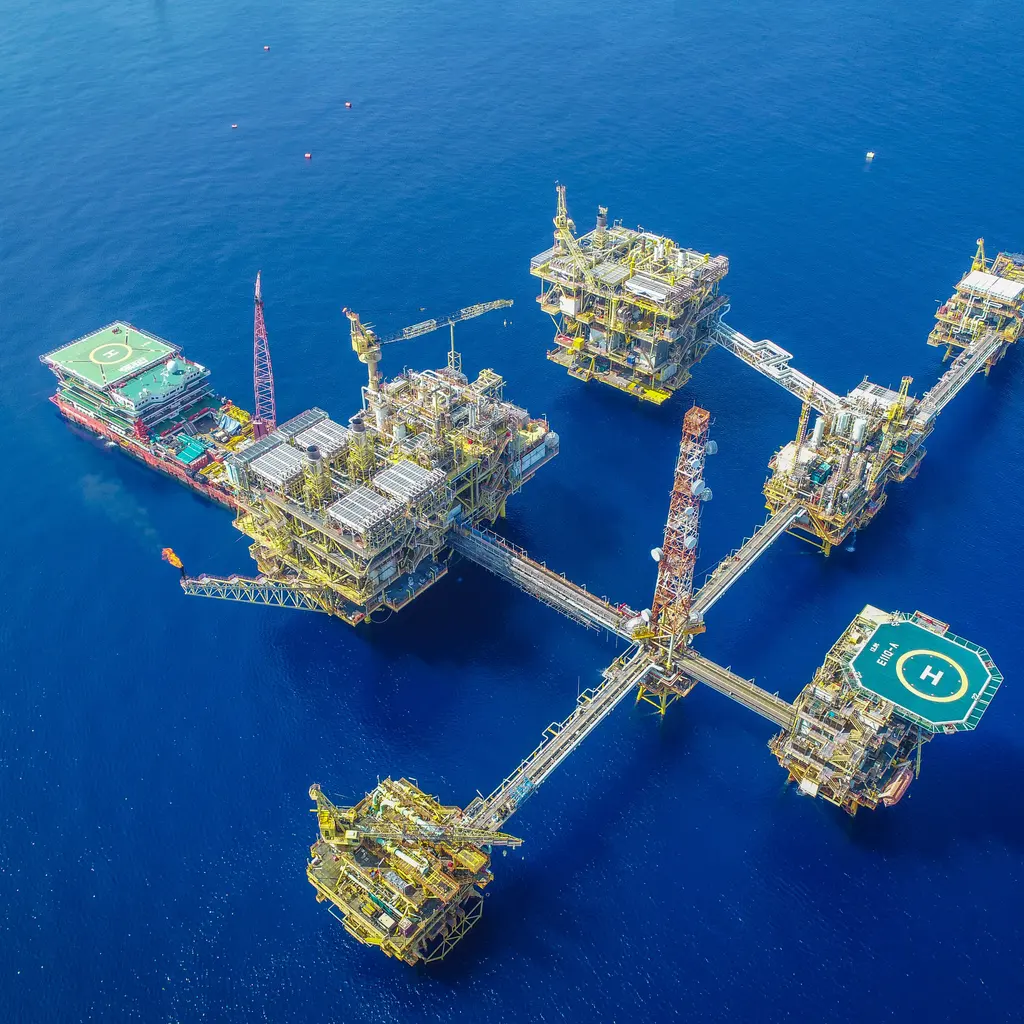
You operate offshore platforms that produce oil or gas from seabed wells using structures positioned far from shore. Events like storms or fires can simultaneously impact the workplace and crew quarters, creating interdependent risks.
The Southern Agency can review your offshore operations and maritime responsibilities to help select appropriate insurance. For example, we can help you coordinate marine property and pollution coverage with your well-control and crew transport requirements.
A severe event can damage the structure and release hydrocarbons. Well-control expense is separate from ordinary property repair.
Wind and seas can damage fixed or floating assets; named-storm terms may restrict recovery.
Crew injuries and evacuation involve location, employment, and vessel/platform status, not one universal maritime classification.
Cranes or compressors can fail remotely; vessels and aircraft carry people and parts to the site.
Policies to ask about. Which ones fit depends on your operations, your contracts, and the carrier’s forms.
These hypothetical examples are not agency claim results. Whether a loss is covered depends on the facts, policy terms, and applicable exclusions.
Hypothetical: a storm damages topside machinery and requires offshore repair. Specialist property may address covered damage to declared interests under the actual named-storm limits and deductibles. Access vessels, technicians, waiting time and operating-income losses require applicable terms rather than being automatic additions to equipment value.
Hypothetical: a crew member is injured during a deck lift. Identify the employer, work location, duties and actual platform/vessel status before assessing the applicable injury arrangement. A personnel transfer or offshore setting does not itself select one maritime regime; damaged lifted equipment and evacuation costs need separate review.
Hypothetical: a subsea release prompts containment, cleanup and third-party demands. Compare accepted release sources, reporting and response consent under actual pollution terms with any separate well-control expense. Remediation, regaining control, repairing the asset and every regulatory charge are not one automatic payment.
Start with the work you do and the questions your current policies leave unanswered. Carrier options depend on your location, risk, and underwriting. Explore our approach.
Location, employer, and platform/vessel status can change applicable protection. Offshore work does not yield one automatic injury regime.
Suitable offshore pollution terms may address covered costs, but well-control and other exclusions need separate review.
Only within the specialist form's storm provisions, deductibles and limits. Location and platform type matter.
Assess concentrated assets and severe retained liabilities, ensuring each excess layer accepts the underlying risks.
They can allocate duties and request limits. Policy acceptance and compliance remain separate questions.
Location, structure, wells, weather, machinery, crew arrangements, and loss history inform underwriting; no standard quotation is implied.
Bring your questions, current policies, and relevant contracts. An agent can review coverage terms, exclusions, and the information carriers ask for, then explain the options available to you.