Skip to content

Marine Fuel Dock Insurance

Helping a vessel alongside and passing over a fuel hose can involve different responsibilities for your dock. Marine-compatible liability and over-water pollution terms need to reflect the assistance you actually provide.

The Southern Agency can help review over-water fueling, dock ownership and the vessel assistance your staff actually provide.

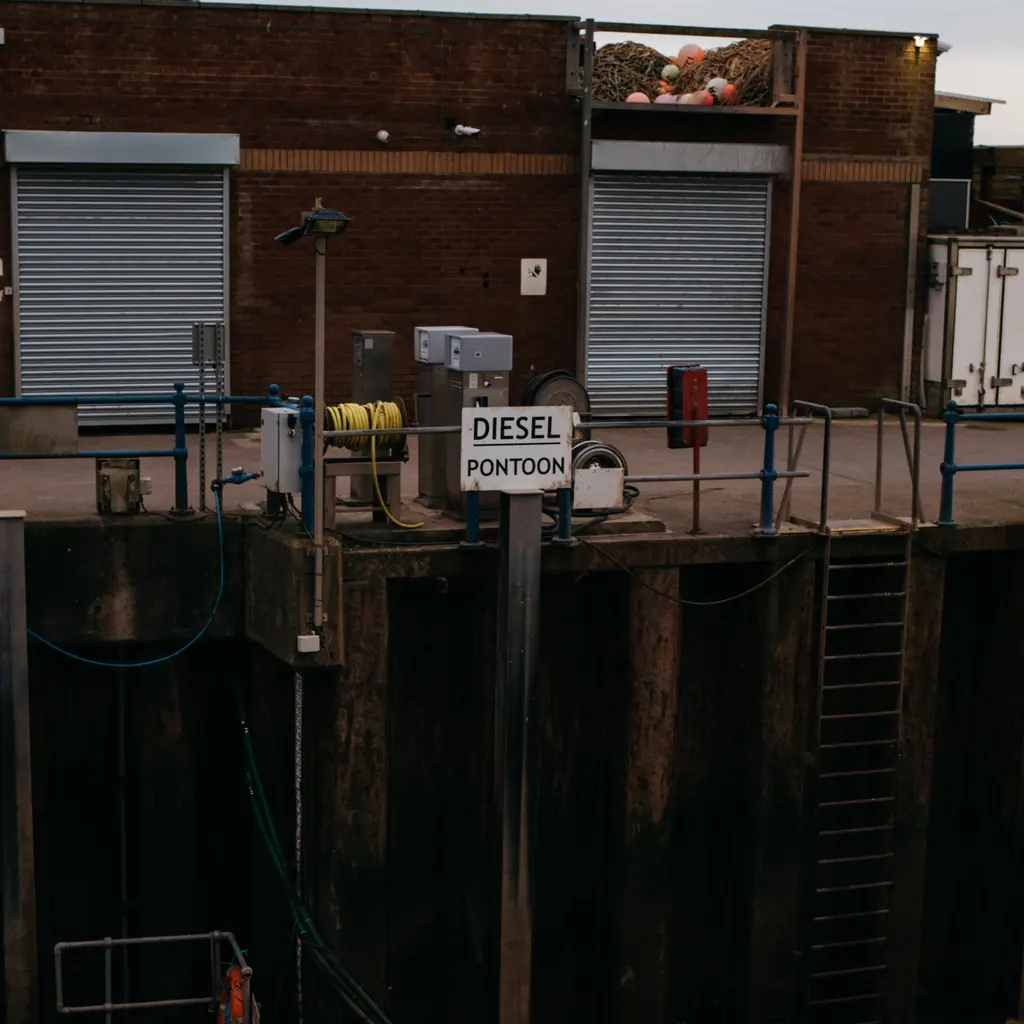
Fuel equipment and hoses above a dock marked Diesel Pontoon.

Industry overview

You receive boats alongside, handle fuel hoses and keep dispensing equipment working at the water's edge. A fuel release can move beyond the dock, while damaged pilings, a customer vessel and an injured dockhand raise different insurance questions.

The Southern Agency can review your fueling and line-handling duties, dock interests and existing policies. We can help distinguish waterfront liability from your own structures, accepted cleanup costs and appropriate protection for the people working there.

Risks worth discussing

Fuel reaches the water

A hose failure or overfill can put gasoline or diesel directly into the water. Containment, cleanup, third-party property claims and any natural-resource assessment are different costs; the actual waters, fuel and response duties matter.

Customer vessel damaged

A boat may strike a dispenser or a customer may blame docking or fueling assistance for hull damage. Identify the service, custody, cause and duties; offering line assistance alone does not settle fault or establish all vessel-custody cover.

Waterfront structures exposed

Docks, floats, pilings, hoses and dispensers can be damaged by weather, ice or vessel impact. Identify ownership and each asset's insured location; wind, flood, surge, waves and ice need their actual covered-cause and exclusion terms.

Dockhands and payment equipment

Wet walking surfaces and fuel hoses can injure staff or visitors. Dockside card payments bring separate data concerns; a worker's injury, a customer's fall and compromised card records call for different terms.

Coverage worth discussing

Policies to ask about. Which ones fit depends on your operations, your contracts, and the carrier’s forms.

Situations to think through

These hypothetical examples are not agency claim results. Whether a loss is covered depends on the facts, policy terms, and applicable exclusions.

  1. Hypothetical: Hose releases fuel into a bay

    A hose connection fails during fueling and diesel reaches the bay. Included pollution terms may help pay covered containment, cleanup and third-party claims. Check the fuel, waters, transfer activity, emergency provisions and reporting. Fuel in the water does not by itself establish natural-resource injury, every penalty or payment for a failed hose and lost stock.

  2. Hypothetical: Boat strikes a fuel pump

    A customer boat strikes a dispenser while coming alongside, damaging the pump and dock. Property may help pay covered repairs to the insured structures and equipment if vessel impact is included. A claim for hull damage needs its own fault, service and custody analysis; the collision alone does not make the dock liable or insure every customer boat.

  3. Hypothetical: Storm closes the fuel dock

    A storm damages a floating dock and stops fuel sales. Property may pay covered structure damage when the actual wind, water, wave or other cause fits; simply calling it a storm does not establish flood or surge cover. Any income payment needs its own trigger, waiting period, earnings calculation and restoration terms.

Before you talk to an agent

What to have ready

Tick items as you gather them. Nothing here is saved or sent.

Questions to raise

  • Describe whether you only dispense fuel and assist arriving boats or also store, lift, move or repair vessels. Liability and custody definitions must match the actual services; a fuel-dock policy name does not include every marina activity.
  • Value fixed and floating structures, pilings, fuel equipment and stock by owner and location. Estimate seasonal margin, continuing expenses and realistic reopening time rather than treating gross gallons sold as the income claim.
  • Describe dockhands' employers, duties, vessel work and locations for qualified injury-coverage review. Appropriate statutory or maritime arrangements depend on actual facts; a waterfront address alone does not choose one classification, and GL is not a substitute for employee benefits.

Contract terms to check

  • Use actual dock leases, fuel-supply and customer terms to allocate structure ownership, maintenance, vessel assistance, fuel transfer and release-response duties. Compare indemnities, insured parties, limits and any required financial-assurance evidence with actual policies and endorsements. A certificate does not amend them, and a service promise does not insure every dock repair or customer loss. Obtain qualified advice on applicable permit and worker-injury obligations rather than inferring them from the waterfront location.

What the agent conversation looks like

Start with the work you do and the questions your current policies leave unanswered. Carrier options depend on your location, risk, and underwriting. Explore our approach.

  1. ListenReview your operations, current coverage, and past claims.
  2. AssessIdentify potential hazards and discuss ways to reduce risk.
  3. BuildDiscuss policy and carrier options, premium costs, and audits.
  4. SupportReview changes and help you plan ahead as your needs develop.

Questions owners ask

What insurance does a marine fuel dock need?

Review the dock's pollution, marine-compatible liability, structures, dispensing equipment and payment systems alongside appropriate worker-injury arrangements. Start with actual waters, ownership and vessel services; GL alone does not establish cover for customer vessels, all over-water cleanup or every dock structure.

Why is pollution coverage so important over water?

Fuel can move beyond the dock and require containment, cleanup or claims by others. Environmental terms may pay covered costs for the included waters and fueling activity. Natural-resource assessment, fines, failed equipment and lost stock need their own treatment; a cleanup obligation does not establish every insured payment.

Are we liable if a boat is damaged while fueling?

A claim can arise, but responsibility depends on what staff undertook, custody, cause and actual harm. Marine-compatible liability may help defend and pay a covered claim. Identify watercraft and property-in-care terms; handling a line or passing a hose is not proof of fault or insurance for every vessel loss.

Is storm damage to the dock covered?

Property may pay covered damage to included structures and equipment. Identify the actual cause, not just the storm name: wind, flood, surge, waves and ice can have different grants, deductibles or exclusions. Any lost-income claim has separate trigger and restoration terms.

Do dock card readers create cyber exposure?

A compromised dockside reader or payment account can leave investigation, response and privacy claims. Included cyber terms may help with covered costs, with actual systems, processor duties, notice and consent checked. Card assessments, payment fraud, hardware replacement and interruption are separate interests, not automatic additions to notification cover.

How are marine fuel dock premiums determined?

Construction, location, fuel volume, vessel activity, controls, and loss history inform underwriting; no price or placement is guaranteed.

Talk through your marine fuel dock coverage

Bring your questions, current policies, and relevant contracts. An agent can review coverage terms, exclusions, and the information carriers ask for, then explain the options available to you.

How can we help you get started?

Choose the quote that fits, and we’ll take it from there.

Have a question? Contact us