

Connection leaks after service
Regulator or connection work can lead to customer injury or property allegations.
Try a different word, or check the spelling.
The regulator your technician adjusts will keep working after the visit. Completed-work protection needs to fit those service duties, not just the propane sold or the bobtail that delivered it.
Talk with The Southern Agency about your operation, policy terms, and the information carriers need.
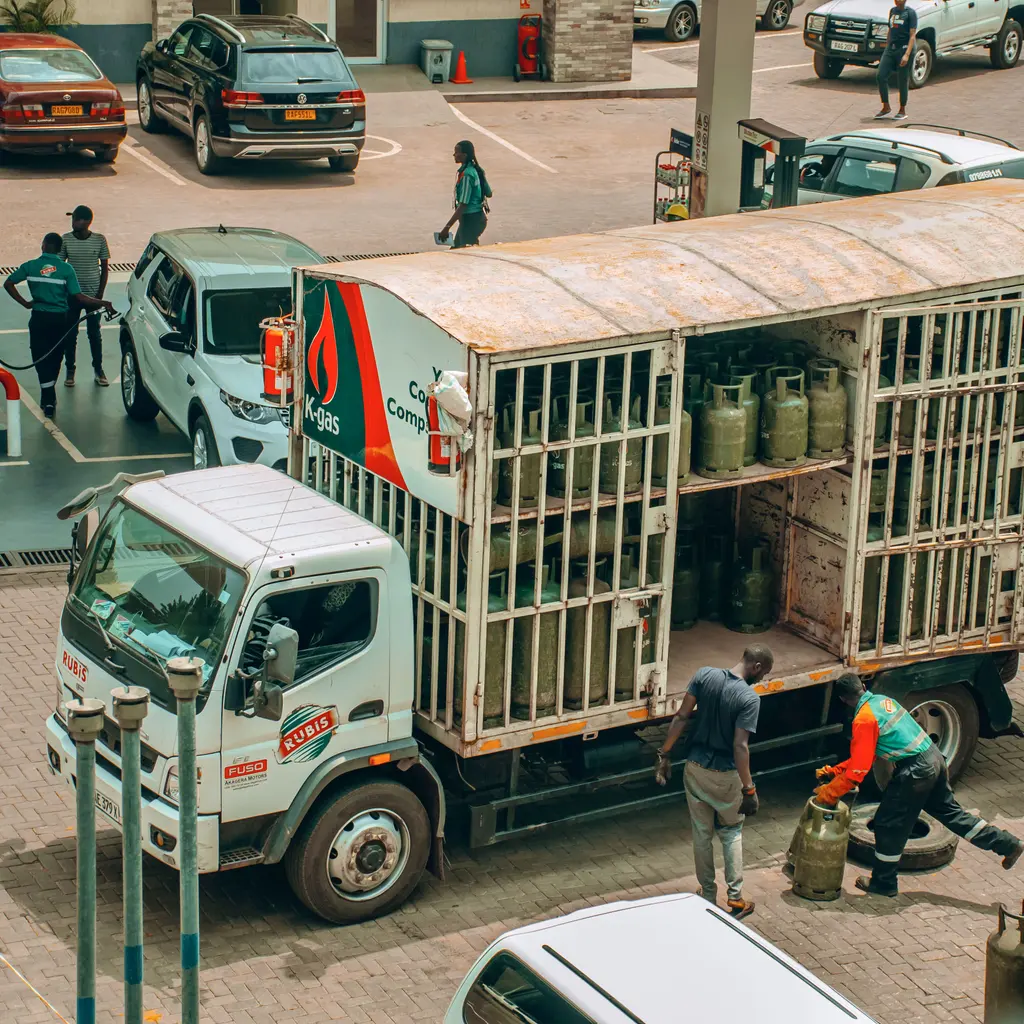
You store propane, manage deliveries, and service customer equipment, keeping gas moving safely to your clients. A vehicle accident during transport or a faulty connection after a service visit can result in significant fires or gas releases.
The Southern Agency can review your storage, fleet, and service operations to help you select appropriate insurance. We can discuss coverage for your delivery vehicles and completed-work protection to address claims arising from after-service incidents.
Regulator or connection work can lead to customer injury or property allegations.
A bobtail collision can combine road liability, vehicle damage, and gas release.
Overfilling and storage failures can injure workers or visitors.
Gas quality allegations differ from installation, testing, and emergency-service duties.
Policies to ask about. Which ones fit depends on your operations, your contracts, and the carrier’s forms.
These hypothetical examples are not agency claim results. Whether a loss is covered depends on the facts, policy terms, and applicable exclusions.
After a regulator service visit, a gas leak causes an explosion and the homeowner alleges faulty work. Liability coverage must include your propane service and completed operations to address a covered injury or property-damage claim. Replacing the faulty connection is a separate cost.
A bobtail strikes another vehicle and releases propane. Review auto liability for injuries or damage to others, physical-damage coverage for your truck, and the terms addressing gas-release and emergency-response costs.
A cylinder vents while being filled and injures a nearby customer. General liability may address the injury claim if the policy includes your filling operations. Gas-related exclusions and any applicable excess terms need review.
Start with the work you do and the questions your current policies leave unanswered. Carrier options depend on your location, risk, and underwriting. Explore our approach.
Consider storage property, auto, gas/product and completed-work liability, employee injury and suitable release protection.
The supplied gas can be alleged to cause injury or damage independently of the dealer's service work.
Suitable completed-operations terms may address resulting injury or damage, not every cost of redoing defective work.
Assess storage and customer-loss severity, with explicit propane acceptance in property, primary liability, and excess.
Only accepted vehicles, operations, and causes qualify. Unloading, cargo, and gas-release expenses need specific review.
Fleet, storage, service mix, training, territory, and loss history inform underwriting; no standard quote is implied.
Bring your questions, current policies, and relevant contracts. An agent can review coverage terms, exclusions, and the information carriers ask for, then explain the options available to you.