

Treatment upset reaches public waters
An overflow or inadequate treatment can create environmental damage and permit consequences.
Try a different word, or check the spelling.
Your responsibility for treated water and biosolids can extend beyond the plant boundary. Pollution protection needs to reflect those outputs and destinations, separately from pump repairs or routine permit obligations.
The Southern Agency can help you compare process assets and release duties from remote lift stations through treatment and biosolids destinations.
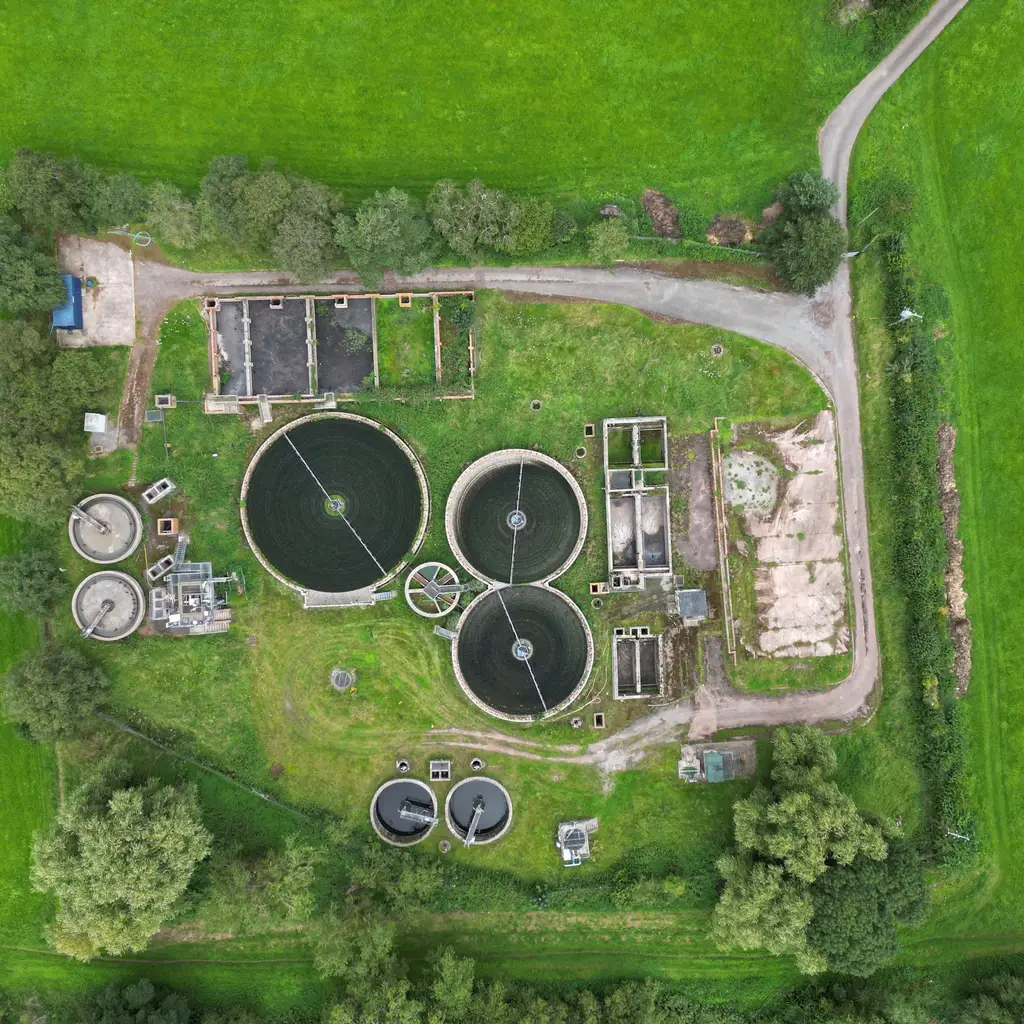
You operate facilities that treat wastewater and manage leftover solids using complex pumps and chemical systems. If this equipment fails or a leak occurs, you face not only repair bills but also potential cleanup costs and claims from the public.
The Southern Agency can review your chemical handling, pump maintenance, and treatment processes to help you select appropriate insurance. We can discuss how to protect your station against process failures and potential environmental release claims.
An overflow or inadequate treatment can create environmental damage and permit consequences.
Storage, handling, and disposal can affect people or land beyond the plant.
Heavy inflows and failed equipment can overwhelm capacity and damage assets.
Wet wells, digesters and chemicals expose staff to toxic atmospheres, biological agents, and confined-space injuries.
Policies to ask about. Which ones fit depends on your operations, your contracts, and the carrier’s forms.
These hypothetical examples are not agency claim results. Whether a loss is covered depends on the facts, policy terms, and applicable exclusions.
Hypothetical: a process upset releases inadequately treated effluent and prompts cleanup and third-party claims. Environmental terms may address covered release costs under actual discharge conditions, prior conditions and reporting. Restoring treatment performance, upgrading capacity and permit penalties are separate; an out-of-spec result alone does not establish payment.
Hypothetical: a chemical-feed line leaks and nearby people allege exposure. Review the actual chemical, site, release and authorized response under pollution terms, with employees assessed through their applicable injury arrangements. Replacing the feed line, emergency response, third-party harm and every evacuation cost are different interests.
Hypothetical: an internal blower failure contributes to an overflow. Breakdown may address covered machinery repair, while environmental terms assess any resulting covered release. Establish the cause and timing; wear, inadequate capacity, process correction and every downstream complaint do not become insured merely because one component stopped.
Start with the work you do and the questions your current policies leave unanswered. Carrier options depend on your location, risk, and underwriting. Explore our approach.
Review process property, machinery, pollution, operating liability, employees, and compatible excess around the actual treatment method.
Defined releases can create cleanup or injury costs excluded by ordinary GL. Fines and compliance improvements are not automatically covered.
Suitable terms may address declared chemicals and covered response or third-party costs, with employee injury separately assessed.
Qualifying sudden failures may fit breakdown terms; wear and the cost of improving inadequate capacity do not automatically qualify.
Applicable compensation can address occupational injury, with employer, duties, and jurisdiction confirmed.
Only compatible environmental excess extends pollution protection. Higher ordinary umbrella limits may leave the same exclusion.
Bring your questions, current policies, and relevant contracts. An agent can review coverage terms, exclusions, and the information carriers ask for, then explain the options available to you.