

Central machinery fails
Boilers and chillers can require expensive repairs and interrupt several customers at once.
Try a different word, or check the spelling.
Several buildings may depend on your central chiller or boiler, even though the distribution pipes are out of sight. Machinery repairs, buried-network damage, and liability to those customers require coordinated but distinct protection.
The Southern Agency can help compare plant, buried-network and customer-service interests with the insurance you hold or are considering.
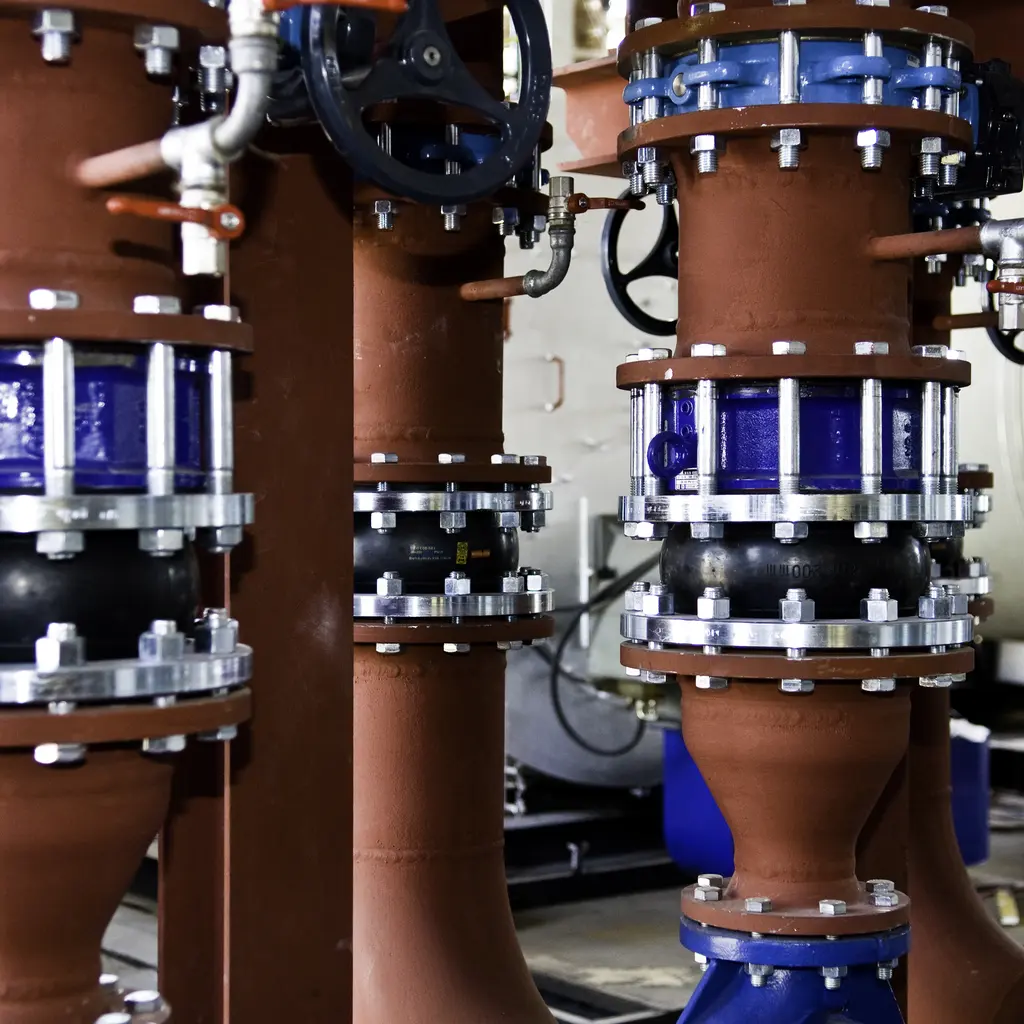
You distribute heating and cooling from central plants through buried pipes to nearby buildings. A chiller or boiler breakdown can disrupt climate control for your customers, while a ruptured steam main presents injury risks to the public.
The Southern Agency can review your plant and distribution interests, equipment dependencies and customer agreements. We can help distinguish machinery repairs, buried-network damage and actual utility earnings from claims made by the buildings you serve.
Boilers and chillers can require expensive repairs and interrupt several customers at once.
Steam or water can damage streets, adjacent buildings, and underground property.
Treatment and cooling systems can create environmental and exposure claims.
Pressure, heat, electricity, and confined spaces threaten operating and repair crews.
Policies to ask about. Which ones fit depends on your operations, your contracts, and the carrier’s forms.
These hypothetical examples are not agency claim results. Whether a loss is covered depends on the facts, policy terms, and applicable exclusions.
A central chiller suffers an internal failure during peak demand and connected buildings lose cooling. Breakdown may help pay covered repairs to included machinery. Selected income terms may address the utility's covered earnings and continuing expenses during restoration, with spare capacity and waiting periods checked. Customers' lost trading, temporary cooling bills and supply guarantees need their own terms.
A street steam main ruptures and damages a neighboring storefront. GL may help defend and pay a covered third-party property claim if the utility work and parties fit. Repairing the utility's own buried main, gaining access and restoring the street require their applicable property and cost provisions; the rupture does not establish every age-related repair or customer loss is insured.
Treatment chemical escapes at the plant and reaches a drain. Environmental terms may help pay covered investigation, response, cleanup or pollution claims when the substance, location and duties fit. Establish where the drain leads and what was affected, with emergency and reporting terms checked; entering a drain alone does not prove waterway damage, every fine or payment for failed equipment.
Start with the work you do and the questions your current policies leave unanswered. Carrier options depend on your location, risk, and underwriting. Explore our approach.
Review plant and buried-network property, machinery breakdown, distribution liability, releases and employee benefits against the actual network. Suitable terms may help pay covered repairs, claims, response or interruption, but those interests have different triggers. Start with ownership, services and customer agreements rather than assuming one boiler limit protects the entire utility.
A failed central boiler, chiller or shared electrical component can affect several buildings at once. Breakdown may help pay covered repairs to included machinery after a qualifying internal failure. Identify actual equipment, dependencies, spare capacity and repair time; wear, inspection bills and lost utility earnings have separate treatment.
Property may help repair included mains after covered damage, but the actual buried-pipe grant, ownership, causes and values must fit. Access, excavation and street restoration need their applicable cost provisions. A central-plant limit does not establish all distribution interests, and replacing an aging or deteriorated network is not automatically an insured repair.
Establish the cause, actual damage or harm, utility and customer duties and contract. A covered injury or property claim may involve liability, while the utility's own earnings need applicable income terms. Customers' lost trading, temporary heating or cooling and delivery penalties are not automatically insured just because service stopped.
Describe the actual refrigerants, treatment chemicals and fuels and where a release could go. Environmental terms may help pay covered response, cleanup and pollution claims that other forms restrict. Match substances, locations, prior conditions and reporting; routine replenishment, upgrades and all penalties are not automatically cleanup payments.
Workers' compensation may pay covered employee benefits, with the actual employer, duties and work jurisdiction checked. Describe heat, pressure, confined spaces, street repairs and electrical work. Another firm's crew has its own employment arrangements; a claim against the utility by an outside worker needs its actual liability and contract terms.
Bring your questions, current policies, and relevant contracts. An agent can review coverage terms, exclusions, and the information carriers ask for, then explain the options available to you.