

Water quality disputed
Treatment errors or source contamination can prompt illness or crop-related claims, depending on intended use.
Try a different word, or check the spelling.
The same pump failure can matter differently when your water serves households or crops. Distribution and water-quality protection should reflect the intended use and the actual storage and civil works involved.
Talk with The Southern Agency about your operation, policy terms, and the information carriers need.
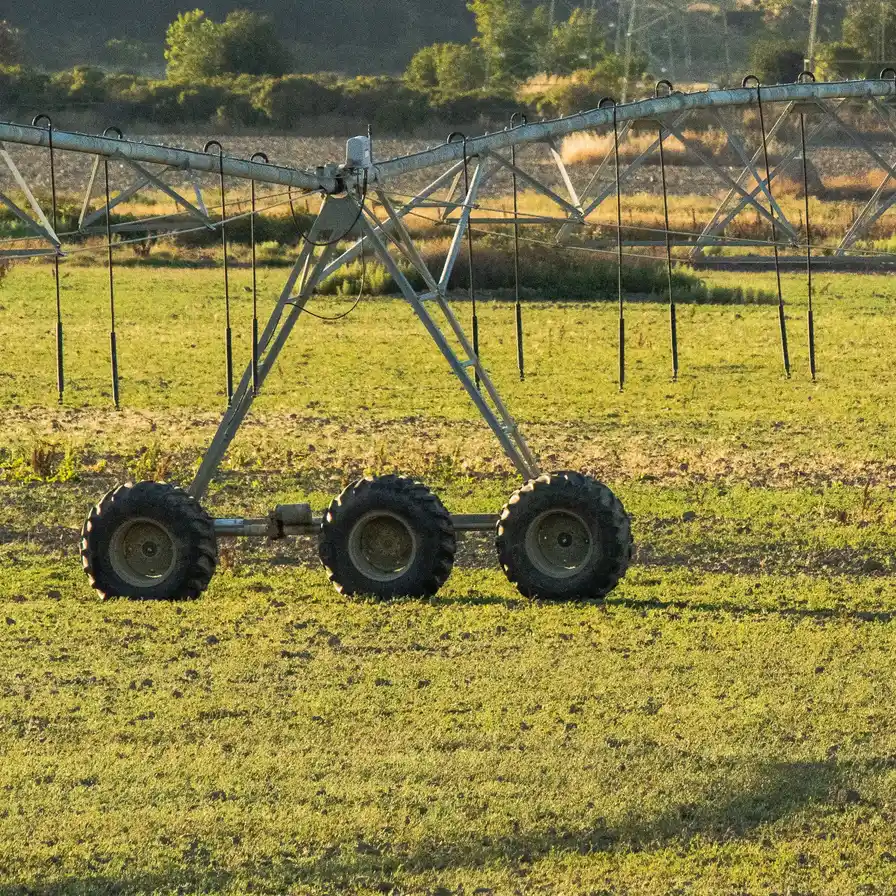
You operate systems to pump, store, and distribute water for drinking or irrigation, where a burst main or a failed pump could cause significant property damage and service interruptions.
The Southern Agency can review your pumping, treatment and distribution duties to help compare suitable insurance. We can distinguish damage to your own mains and machinery from claims for flooded neighboring property or disputed water quality.
Treatment errors or source contamination can prompt illness or crop-related claims, depending on intended use.
Escaping water can flood or erode neighboring land. Reservoir and dam duties need specific assessment.
Mechanical failure or unauthorized access can interrupt pressure, treatment, or billing systems.
Trenching and confined-space work expose employees; boards can face allegations over management decisions.
Policies to ask about. Which ones fit depends on your operations, your contracts, and the carrier’s forms.
These hypothetical examples are not agency claim results. Whether a loss is covered depends on the facts, policy terms, and applicable exclusions.
A dosing error prompts a water advisory and customer demands. Accepted utility or environmental terms may address included response costs or covered third-party claims. Actual substances, intended use, harm and exclusions matter; the advisory alone does not establish illness, insured lost supply or payment of every response bill.
A main breaks and floods a nearby basement, prompting a claim against the operator. Suitable liability may address covered defense and neighboring-property damages, depending on responsibility and terms. Repairing the utility's main is a separate property interest, not automatically the same liability payment.
Unauthorized access forces treatment controls offline. Cyber may address included system restoration or interruption under its actual operational scope. Any physical damage, water-quality consequence or customer supply claim needs appropriate terms; ordinary billing-data protection is not proof those effects are included.
Start with the work you do and the questions your current policies leave unanswered. Carrier options depend on your location, risk, and underwriting. Explore our approach.
Assess the actual source, treatment, intended use, distribution assets, and legal entity, not one universal utility package.
Suitable terms may address defined contamination and third-party claims. Intended use, substances, and advisory costs matter.
Billing and operational systems create different risks; confirm control-system and physical-consequence restrictions.
Potentially under suitable terms, but asset ownership, deterioration, flood, and civil-structure exclusions require explicit review.
Use forms suited to the entity and alleged decision. A private-company D&O label does not establish public-official or utility-service protection.
Applicable compensation should reflect excavation, water, and confined spaces; contractors retain separate employer arrangements.
Bring your questions, current policies, and relevant contracts. An agent can review coverage terms, exclusions, and the information carriers ask for, then explain the options available to you.