

Under-processing and botulism risk
Inadequate thermal processing or a faulty seam in low-acid canned foods can allow Clostridium botulinum growth, a severe recall and liability exposure.
Try a different word, or check the spelling.
Your seam and thermal-processing work continues to matter after the harvest pack is on a customer's shelf. Product protection and any withdrawal benefit need separate terms from the machinery cover on retorts, boilers, and seamers.
The Southern Agency can help you manage the specific recall and equipment-breakdown exposures of your thermal-processing cannery.
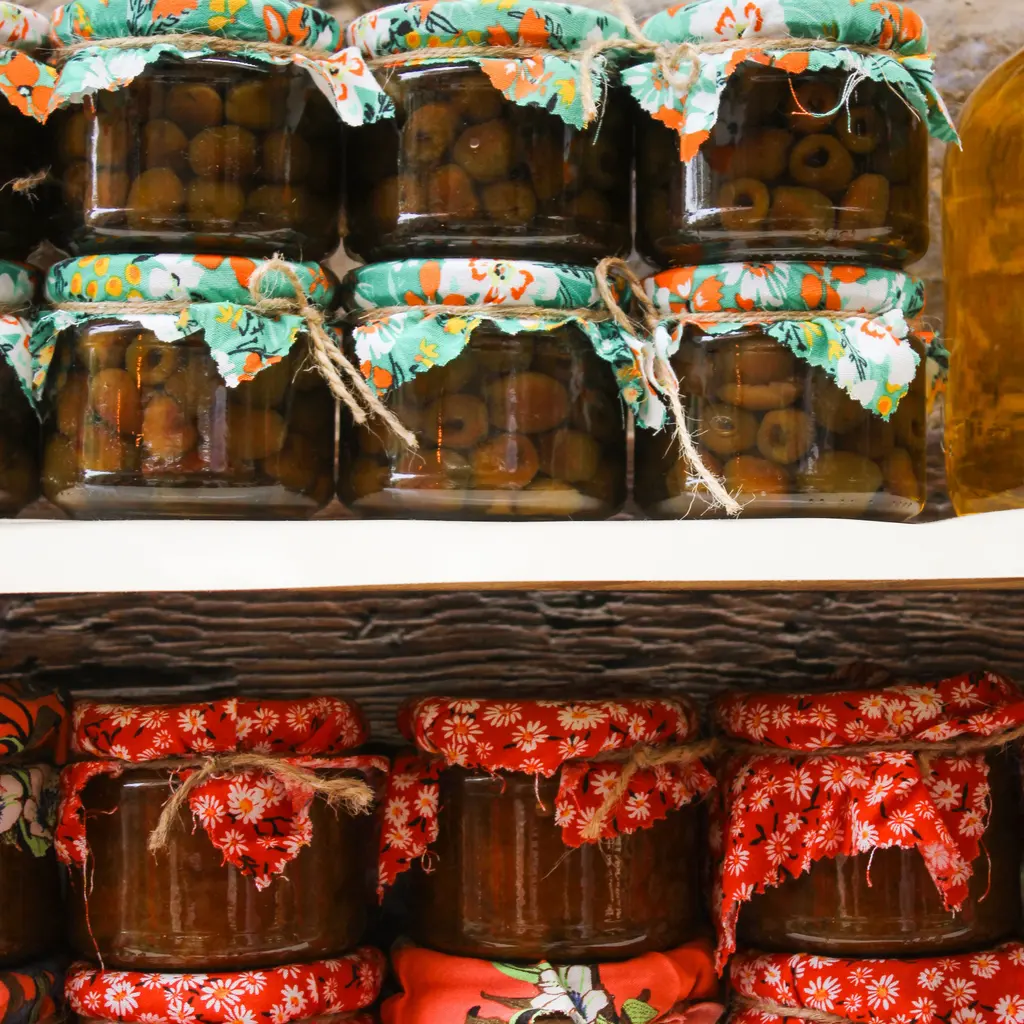
You process seasonal produce into shelf-stable cans using steam retorts and boilers. A sealing failure or under-processing error can result in serious health risks, leading to massive recalls.
The Southern Agency can help you review your thermal processing controls to choose appropriate insurance, such as equipment breakdown coverage for your retorts and boilers.
Inadequate thermal processing or a faulty seam in low-acid canned foods can allow Clostridium botulinum growth, a severe recall and liability exposure.
Imperfect can or jar seams can let air and microbes in, causing spoilage and recalls of shelf-stable product already in distribution.
Retorts, boilers, and steam systems operate under heat and pressure, and a failure can halt the pack and create equipment-breakdown exposure.
Harvest windows concentrate produce intake and finished inventory, magnifying losses from any equipment, contamination, or warehouse event.
Produce wash water, processing effluent, and cleaning chemicals can create discharge and environmental compliance concerns.
Workers around retorts, seamers, and filling lines face steam, burn, and machinery exposure typical of a canning operation.
Policies to ask about. Which ones fit depends on your operations, your contracts, and the carrier’s forms.
These hypothetical examples are not agency claim results. Whether a loss is covered depends on the facts, policy terms, and applicable exclusions.
A retort-cycle deviation raises a safety concern about low-acid vegetables already shipped, and the affected lots are recalled. A purchased recall form may help with included expenses if the product and safety event qualify. Product liability may address covered consumer harm, not automatically the withdrawal itself; retesting, reprocessing and the buyer's replacement demand need separate assessment.
A seamer fault produces leaky cans, and spoilage complaints identify packs on store shelves. Trace the affected run and distinguish a product-safety withdrawal from a quality return. Separate recall terms may help with eligible response expenses, while product liability concerns covered injury or other damage. Replacing the cans, repairing the seamer and recovering lost pack time involve different benefits.
A boiler fails at peak harvest, halting retort processing. Equipment breakdown and business income coverage may respond to repair and lost output, depending on policy terms. Confirm covered boiler event, income/stock inclusion, and seasonal restoration values; a lost pack contract is not automatically paid.
Start with the work you do and the questions your current policies leave unanswered. Carrier options depend on your location, risk, and underwriting. Explore our approach.
Under-processed low-acid foods can support Clostridium botulinum, a severe public-health risk. Underwriters review thermal-process validation and seam controls closely, which affects product liability terms.
Use actual thermal/seam deviation and held/shipped lot records. Products liability concerns covered harm to others, not automatically withdrawal. Recall/contamination cover needs an eligible event, insured product and purchased expenses; quality rejection, refunds, rework and routine spoilage are not automatic cover.
Equipment breakdown coverage may respond when retorts, boilers, or steam systems fail, helping with repair and lost pack time, depending on policy terms and underwriting inspection.
Yes. Harvest concentrates produce intake and finished inventory, so property and business income limits should reflect peak values to avoid underinsurance, subject to policy terms.
Produce wash water and processing effluent create discharge exposure standard liability often excludes. Environmental liability may respond to cleanup and claims, subject to policy terms and facts.
Compare accepted underlying products and liability limits; an umbrella does not automatically fund can disposal, replacement or first-party recall.
Bring your questions, current policies, and relevant contracts. An agent can review coverage terms, exclusions, and the information carriers ask for, then explain the options available to you.