

Dryer and oven fire
Sustained high heat in tunnel, drum, or spray dryers can ignite accumulated product residue, oils, or dust, causing fire and major property damage.
Try a different word, or check the spelling.
The shelf life of your finished product does not make fresh inputs or partially dried batches equally durable. Stock and machinery terms need to reflect both stages, with quality failures and recall costs considered separately.
The Southern Agency can help you coordinate your drying-specific risks with a tailored insurance program.
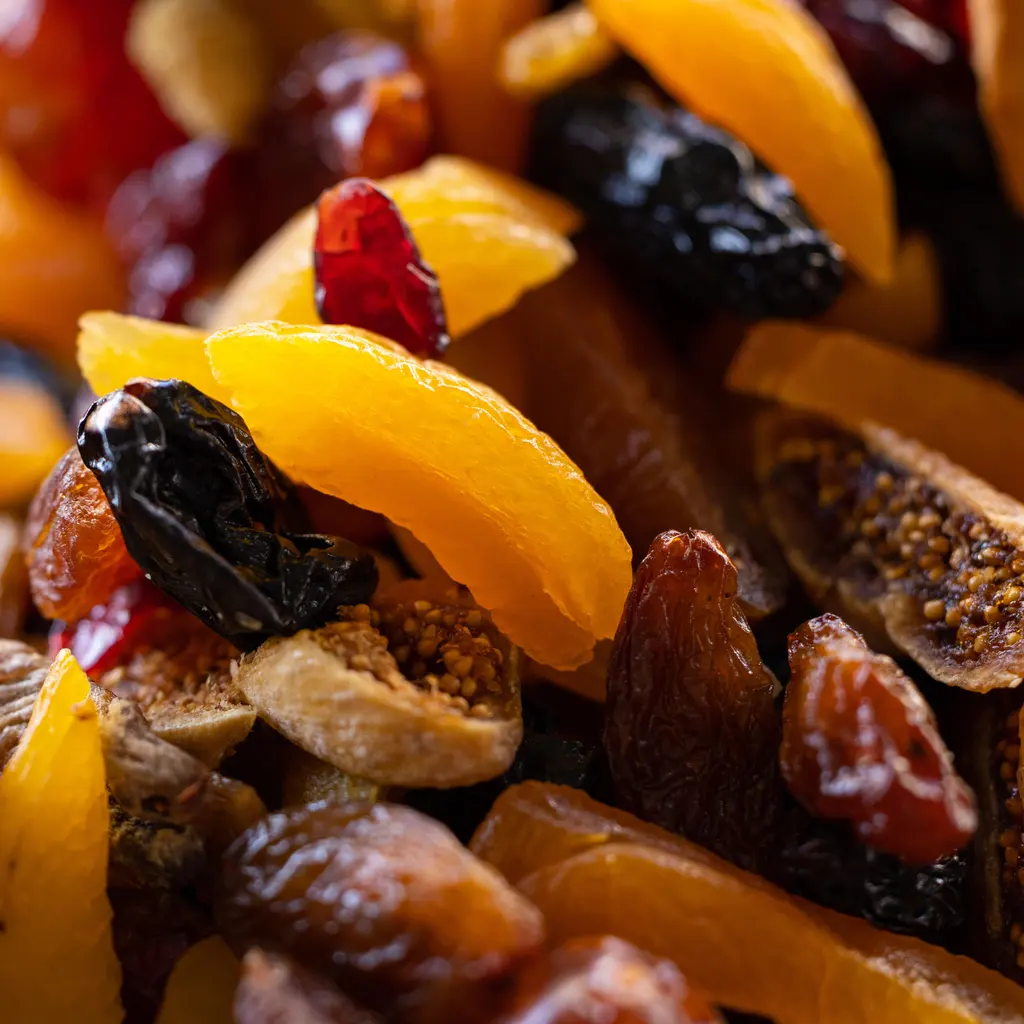
You dry produce, meat or other foods into shelf-stable products, with fresh inputs and partly dried batches still vulnerable along the way. Moisture control supports stability but does not by itself eliminate pathogens. Dryer heat, residue and powders can also threaten your machinery, stock and crew.
The Southern Agency can review your dehydration methods and pathogen controls to help select appropriate insurance, such as equipment breakdown for your dryers or liability for food-safety claims.
Sustained high heat in tunnel, drum, or spray dryers can ignite accumulated product residue, oils, or dust, causing fire and major property damage.
Inadequate drying can leave water activity high enough for mold or pathogens, and powders or herbs may carry Salmonella, creating illness and recall exposure.
Spray-dried and milled powders generate fine combustible dust that can ignite in dryers, cyclones, and handling systems if not controlled.
Freeze dryers, spray dryers, and heating systems are costly and slow to replace, and an outage can stop production and spoil in-process batches.
Fresh fruits, vegetables, or meats awaiting dehydration are perishable, and a delay or storage failure can spoil seasonal raw inventory.
Workers around dryers and powder handling face burn, heat-stress, and respiratory exposure typical of dehydration operations.
Policies to ask about. Which ones fit depends on your operations, your contracts, and the carrier’s forms.
These hypothetical examples are not agency claim results. Whether a loss is covered depends on the facts, policy terms, and applicable exclusions.
Powder residue ignites inside a spray dryer and damages surrounding equipment. Property and business income coverage may help with repairs and lost output, depending on policy terms and exclusions. Review covered fire/dust event and purchased income; restoration differs from missed seasonal sales.
A shipped lot of dried herbs tests positive for Salmonella and is recalled. Product liability may address covered illness allegations, while any withdrawal benefit needs an eligible event and expense grant under separately arranged recall terms. A positive test, buyer notice and retrieval costs are not themselves an injury claim.
A freeze dryer compressor fails during a run, spoiling product and idling the line. Equipment breakdown coverage may respond to repair and spoilage costs, depending on policy terms. Check covered compressor event, product stock, and income terms; incomplete drying alone is not a breakdown.
Start with the work you do and the questions your current policies leave unanswered. Carrier options depend on your location, risk, and underwriting. Explore our approach.
Heat and accumulated product residue or powders can create fire exposure around dryers. Underwriters review dryer type, cleaning, and fire protection because these affect property terms and pricing.
Yes. Pathogens can survive in low-moisture foods, and drying or shelf stability is not proof of a validated pathogen-kill step. Identify your foods, controls and the customer's further processing. Product liability may help with covered illness allegations; rejected lots, replacement and recall expenses need separate review.
Spray-dried and milled powders can create combustible dust in dryers and cyclones. Dust control supports underwriting, and property coverage terms often reflect those hazards, subject to policy terms.
Equipment breakdown coverage may respond when specialized dryers or heating systems fail, helping with repair and spoiled batches, depending on policy terms and underwriting.
Perishable raw materials awaiting drying can spoil if storage or scheduling fails. Property coverage may address covered spoilage causes, though terms depend on the policy and underwriting.
Manufacturers and distributors purchasing dried ingredients often require product liability and indemnity. We can help align limits with those contracts, though availability depends on underwriting.
Bring your questions, current policies, and relevant contracts. An agent can review coverage terms, exclusions, and the information carriers ask for, then explain the options available to you.