

Botulism and under-processing
Inadequate thermal processing of low-acid foods can permit botulinum toxin, one of the most serious contamination risks in canning.
Try a different word, or check the spelling.
Your canned goods may stay in distribution long after a production lot has left the plant. Product protection needs to account for that reach, while retrieval and disposal require separate benefits from liability or retort repairs.
The Southern Agency can help you align contamination, equipment, and product liability coverage with your canning facility's operations.
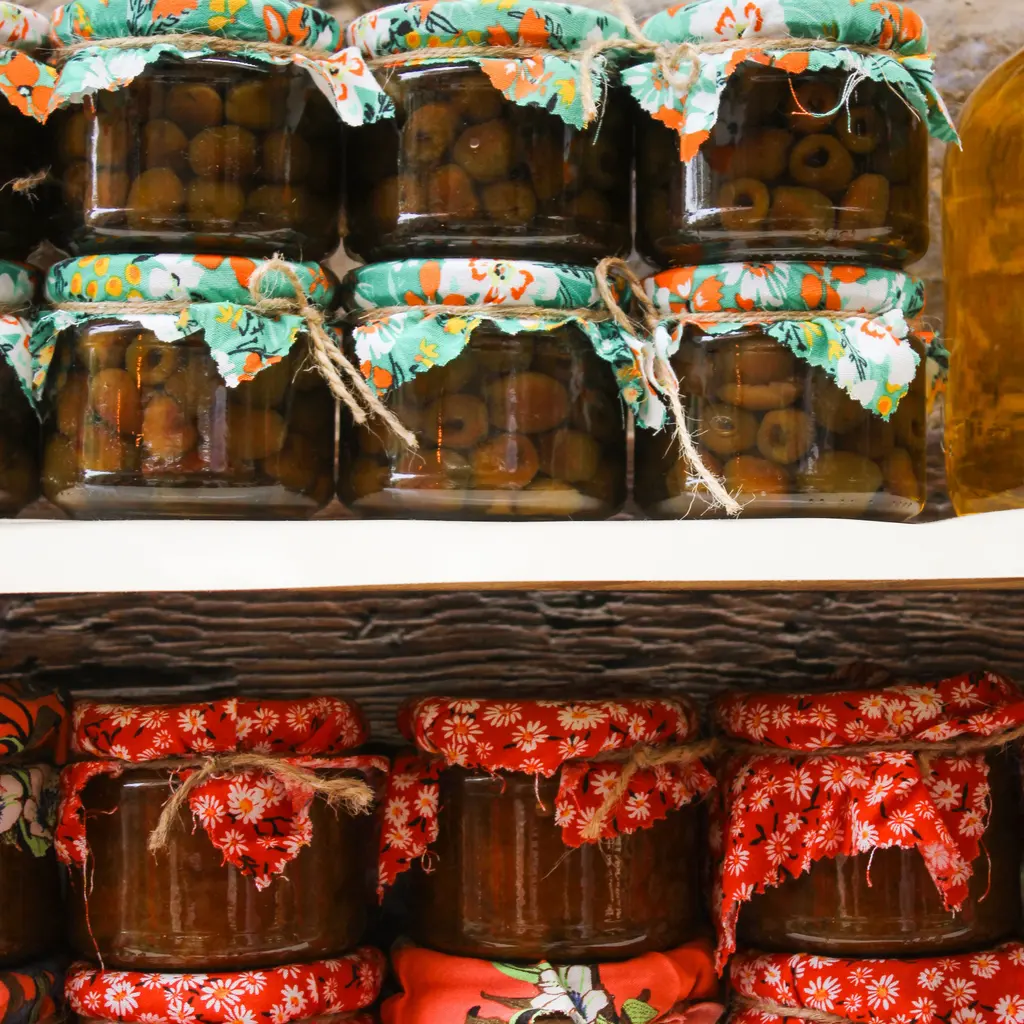
You produce shelf-stable canned or jarred foods using controlled processing and sealing methods. Under-processing or a failed seal can compromise a whole lot, creating consumer illness claims and retrieval costs long after the goods leave your plant.
The Southern Agency can review your thermal processing, seal integrity, and quality records to help you select appropriate insurance. We can discuss how to protect your critical retorts and seaming equipment while managing liability related to product contamination and recall.
Inadequate thermal processing of low-acid foods can permit botulinum toxin, one of the most serious contamination risks in canning.
Defective seams or swelling across a production lot can spoil product and create contamination and recall exposure.
Shelf-stable product distributed widely and stored long-term means a defect can require pulling extensive inventory from the market.
Failure of retorts, seamers, or boilers can both compromise product safety and halt the canning line.
Jarred products and processing lines create glass and foreign-material exposure that can lead to injury claims.
Retort steam, hot product, and machinery expose canning staff to burns and serious injury.
Buyers commonly require documented process controls, continuing guarantees, added-insured status, and minimum limits.
Policies to ask about. Which ones fit depends on your operations, your contracts, and the carrier’s forms.
These hypothetical examples are not agency claim results. Whether a loss is covered depends on the facts, policy terms, and applicable exclusions.
A process deviation raises a botulism concern and a lot is recalled. Product liability and recall coverage may respond to withdrawal and claim costs, depending on policy terms and the facts. Check separately eligible recall trigger/products/expenses; process deviation alone does not establish all costs.
A retort malfunctions mid-run, jeopardizing product and stopping production. Equipment breakdown and business income coverage may help, subject to the specific policy and the cause. Confirm covered retort event, included stock/income, and restoration; discarded underprocessed stock/rework is not automatic.
A consumer reports a glass fragment in a jarred product and pursues a claim. Product liability may respond to the resulting costs, depending on policy terms and the circumstances. Check alleged covered injury/property damage and terms; inspecting or replacing every jar needs separate recall analysis.
Start with the work you do and the questions your current policies leave unanswered. Carrier options depend on your location, risk, and underwriting. Explore our approach.
Under-processing low-acid foods can permit botulinum toxin, which can cause severe illness. Product liability may respond to a resulting claim, depending on policy terms and the facts.
Use process/container deviations and hold/shipped lot records. Products liability concerns covered harm to others, not automatically withdrawal. Recall/contamination cover needs an eligible event, insured product and purchased expenses; quality rejection, refunds, rework and routine spoilage are not automatic cover.
Equipment breakdown coverage may respond to sudden failure of retorts and seamers, and business income may address lost production, depending on policy terms.
A glass or foreign-material claim tied to your product may be addressed under product liability, depending on the specific policy, endorsements, and circumstances of the claim.
Often yes. Buyers commonly require documented thermal-process controls, continuing guarantees, and minimum limits. We can help structure coverage to meet those terms, subject to underwriting.
Most states require workers' compensation, and canning involves steam and machinery exposure. Legal requirements vary by state and operation.
Bring your questions, current policies, and relevant contracts. An agent can review coverage terms, exclusions, and the information carriers ask for, then explain the options available to you.