

Chemotherapy dosing errors
Cytotoxic drugs have narrow safety margins, and a dosing or administration error can cause serious harm and major professional liability claims.
Try a different word, or check the spelling.
Your patient's course can involve several treatment modalities and providers working to the same schedule. Professional and equipment protection need to reflect that coordination, with treatment substances and waste considered under their actual terms.
The Southern Agency can help you compare actual oncology modalities, provider responsibilities and treatment-system dependencies with the terms that accept them.
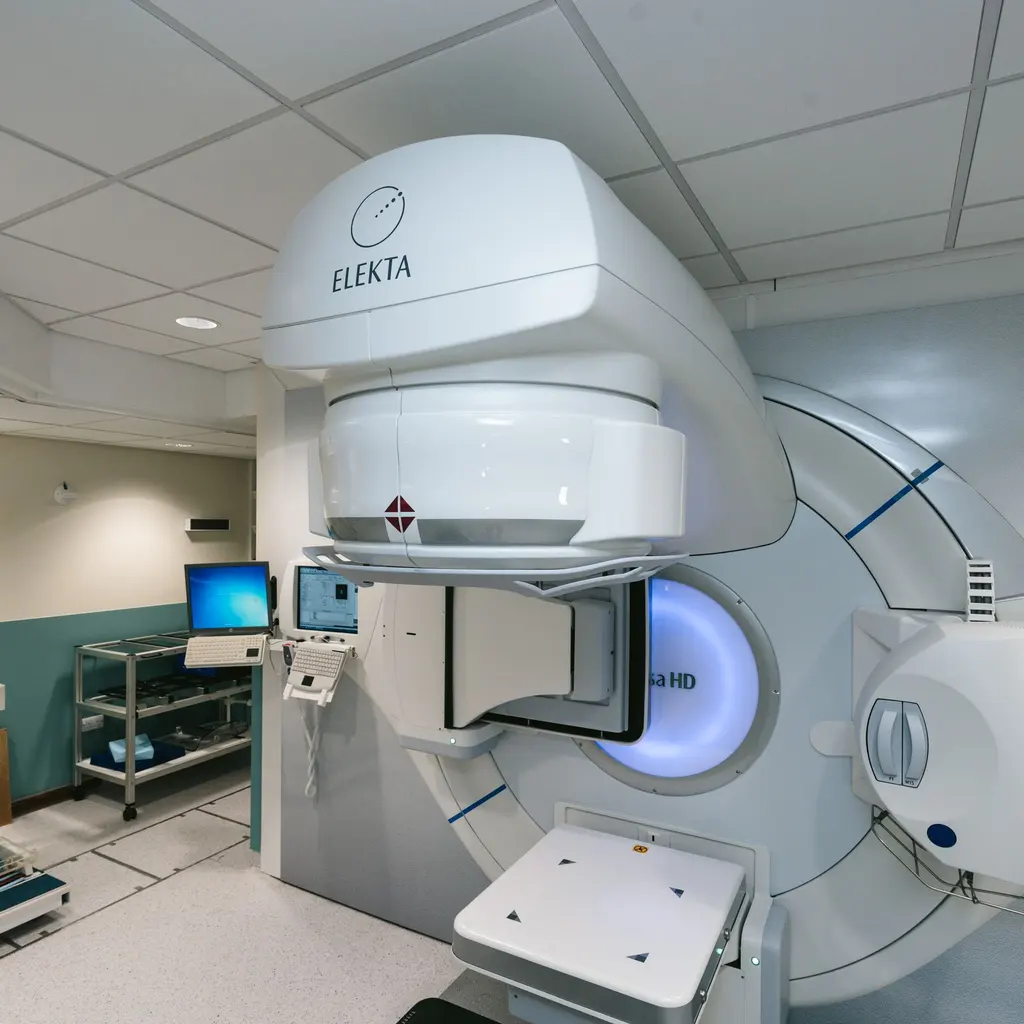
You coordinate cancer care through the treatments your center actually provides, which may include infusions, radiation or outside referrals. A dose or targeting allegation differs from a machine outage, while treatment substances create their own handling and disposal duties.
The Southern Agency can review your modalities, provider roles and equipment dependencies with you. We can compare professional and property protection with explicit terms for actual treatment materials, waste and interrupted services.
Cytotoxic drugs have narrow safety margins, and a dosing or administration error can cause serious harm and major professional liability claims.
Radiation therapy demands precise targeting and dosing, and an error can severely injure a patient and drive high-severity allegations.
Cytotoxic agents and, where used, radioactive sources and waste create environmental, worker-exposure, and regulatory questions. Review actual handling, storage, and disposal duties and accepted materials/exclusions.
Linear accelerators, infusion pumps, and imaging are costly and central to treatment, and a failure can interrupt time-sensitive care.
Complex, multi-modality care raises the risk of delays or coordination failures that can affect outcomes and prompt claims.
Clinical staff handle cytotoxic drugs and work near radiation, creating exposure injuries that may trigger workers compensation.
Extensive oncology treatment and billing records hold protected health and payment data that can be breached.
Policies to ask about. Which ones fit depends on your operations, your contracts, and the carrier’s forms.
These hypothetical examples are not agency claim results. Whether a loss is covered depends on the facts, policy terms, and applicable exclusions.
A patient alleges a chemotherapy dosing error caused serious harm. A professional liability policy may respond to defense and indemnity, depending on the specific policy, endorsements, exclusions, and facts. Review accepted modality, insured clinician/entity, and timing; adverse treatment outcome does not itself prove negligence.
A linear accelerator fails and radiation treatments must be rescheduled. Equipment breakdown and related coverage may help with repair and lost income, subject to policy terms and the circumstances. A delay alone is not a covered breakdown: check cause, repair/income grants, waiting periods, and vendor duties.
A regulator alleges improper disposal of cytotoxic or radioactive waste. Environmental liability coverage may respond to defense and cleanup costs, depending on the policy and the facts. Distinguish insured cleanup/defense from routine disposal, regulatory fines, and equipment upgrades; radiation acceptance needs explicit review.
Start with the work you do and the questions your current policies leave unanswered. Carrier options depend on your location, risk, and underwriting. Explore our approach.
Oncology can combine chemotherapy, radiation targeting, cytotoxic agents, and precision equipment; radioactive sources and waste depend on the actual modality. Review accepted clinical, material-handling and equipment duties and exclusions rather than assume every center uses source-based therapy or needs identical forms.
Describe actual hazardous agents and any source-based therapies. Review accepted pollutants/radiation, locations, reporting, and cleanup/defense terms; generic environmental cover does not establish every radioactive-waste or regulatory expense.
Linear accelerators and infusion pumps are costly and central to time-sensitive treatment. Equipment breakdown coverage may help with repair and lost income when they fail, subject to policy terms and exclusions.
It may respond to allegations such as chemotherapy dosing errors, radiation targeting mistakes, or treatment delays. Whether a claim is covered depends on the policy, endorsements, exclusions, and circumstances.
Employee coverage may provide qualifying medical and wage benefits for injuries involving substances actually handled or treatment duties. Identify actual employers, tasks and work states; radiation exposure depends on the modality. Cleanup, patient harm and regulatory penalties are separate interests.
Carriers weigh modalities, equipment values, hazardous-material handling, patient volume, payroll, and claims history. Because centers differ, premiums vary and coverage availability depends on underwriting.
Bring your questions, current policies, and relevant contracts. An agent can review coverage terms, exclusions, and the information carriers ask for, then explain the options available to you.