

Dental malpractice allegations
Claims of treatment error, nerve damage, extraction complications, or failure to diagnose are a central exposure for any clinical dental practice.
Try a different word, or check the spelling.
Your sterilizer and imaging unit support the next patient on the schedule, but repairing them is not the same as defending treatment. Equipment and professional terms need to fit actual procedures, including any sedation you provide.
The Southern Agency can help you match your dental procedures and office equipment to the right insurance protection.
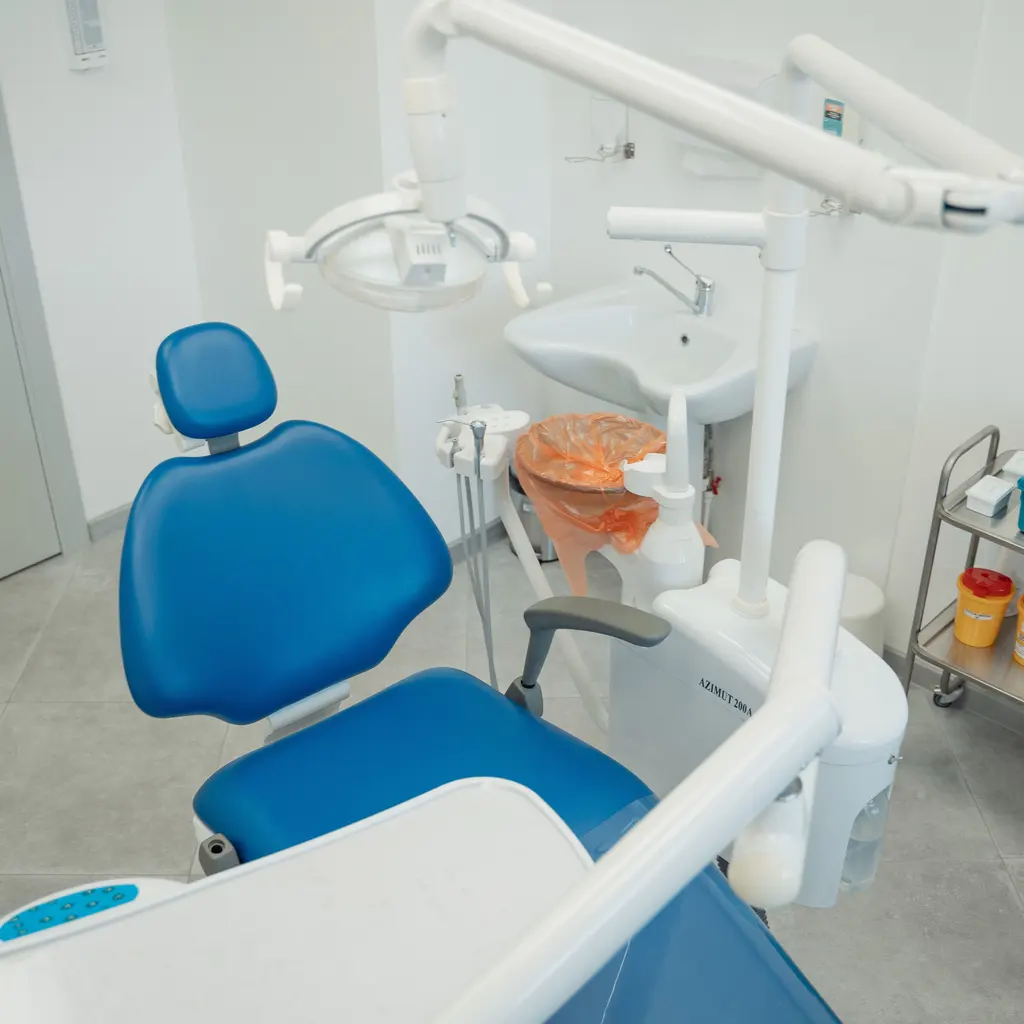
You deliver hands-on dental care through the procedures your practice actually offers, including any extractions or sedation. A treatment allegation differs from a waiting-room fall, while sterilization, imaging and patient-record systems support the next appointment.
The Southern Agency can review your specific dental procedures and office equipment to help you select appropriate insurance. For instance, we can help assess whether your professional liability covers your sedation services and whether your cyber insurance fits your office's data storage practices.
Claims of treatment error, nerve damage, extraction complications, or failure to diagnose are a central exposure for any clinical dental practice.
Patients in the waiting room or moving to and from operatories can slip or fall, creating general liability bodily-injury exposure.
Electronic records and payment data make the practice a target, and a breach can trigger notification, regulatory, and recovery costs.
Chairs, autoclaves, and digital imaging units are expensive, and a breakdown can interrupt scheduled care and disrupt the practice.
An alleged sterilization or infection-control failure can lead to patient claims and significant reputational and regulatory consequences.
Needlestick injuries, repetitive strain, and exposure to materials can affect hygienists and assistants and may trigger workers compensation needs.
Policies to ask about. Which ones fit depends on your operations, your contracts, and the carrier’s forms.
These hypothetical examples are not agency claim results. Whether a loss is covered depends on the facts, policy terms, and applicable exclusions.
A patient alleges nerve injury following an extraction and brings a claim. A professional liability policy may respond to defense and indemnity, depending on the specific policy, endorsements, exclusions, and facts. Check accepted extraction/sedation and insured clinician, claim dates, and exclusions; a complication is not automatically negligence.
Patient records are accessed in a data breach. Cyber liability coverage may help with notification, credit monitoring, and recovery expenses, depending on policy terms. Review insured records/providers, response consent, and purchased expenses; penalties or every patient-demand cost are not automatic.
An autoclave breaks down, forcing canceled appointments. Equipment breakdown coverage may help with repair and lost income, subject to the policy and exclusions. Confirm covered autoclave event and included income/extra expense; appointment cancellations alone are insufficient.
Start with the work you do and the questions your current policies leave unanswered. Carrier options depend on your location, risk, and underwriting. Explore our approach.
Professional liability is the policy that may respond to dental malpractice allegations tied to treatment and patient care. It is generally distinct from general liability, which addresses premises injuries, and many practices carry both.
Cyber liability coverage may help with notification, regulatory, and recovery costs after a breach of patient health or payment data. Whether a loss is covered depends on the policy, endorsements, and exclusions.
Chairs, sterilizers, and digital imaging are expensive and central to daily care. Equipment breakdown coverage may help with repair and lost income when they fail, subject to policy terms.
Clinical staff face needlestick, exposure, and repetitive-strain injuries, so workers compensation is commonly needed and often required for employees. Requirements vary by state and number of staff.
Higher-acuity procedures like IV sedation or oral surgery change your professional liability exposure and may need specific endorsements. The right structure depends on your services.
Carriers weigh procedures, sedation use, staffing, revenue, equipment values, and data practices, along with claims history. Because practices differ, premiums vary and coverage availability depends on underwriting.
Bring your questions, current policies, and relevant contracts. An agent can review coverage terms, exclusions, and the information carriers ask for, then explain the options available to you.