

Assembly errors affecting rider safety
Incorrect brake setup, loose torque, or faulty drivetrain assembly can cause a crash, exposing the assembler to product liability for rider injuries.
Try a different word, or check the spelling.
Your demonstration ride puts a finished cycle in a different situation from stock waiting in the shop. Road-use, vehicle-damage, and product terms should identify the riders and units accepted, including any battery charging you undertake.
The Southern Agency can help you evaluate your assembly facility and testing protocols to select appropriate insurance for your vehicle production.
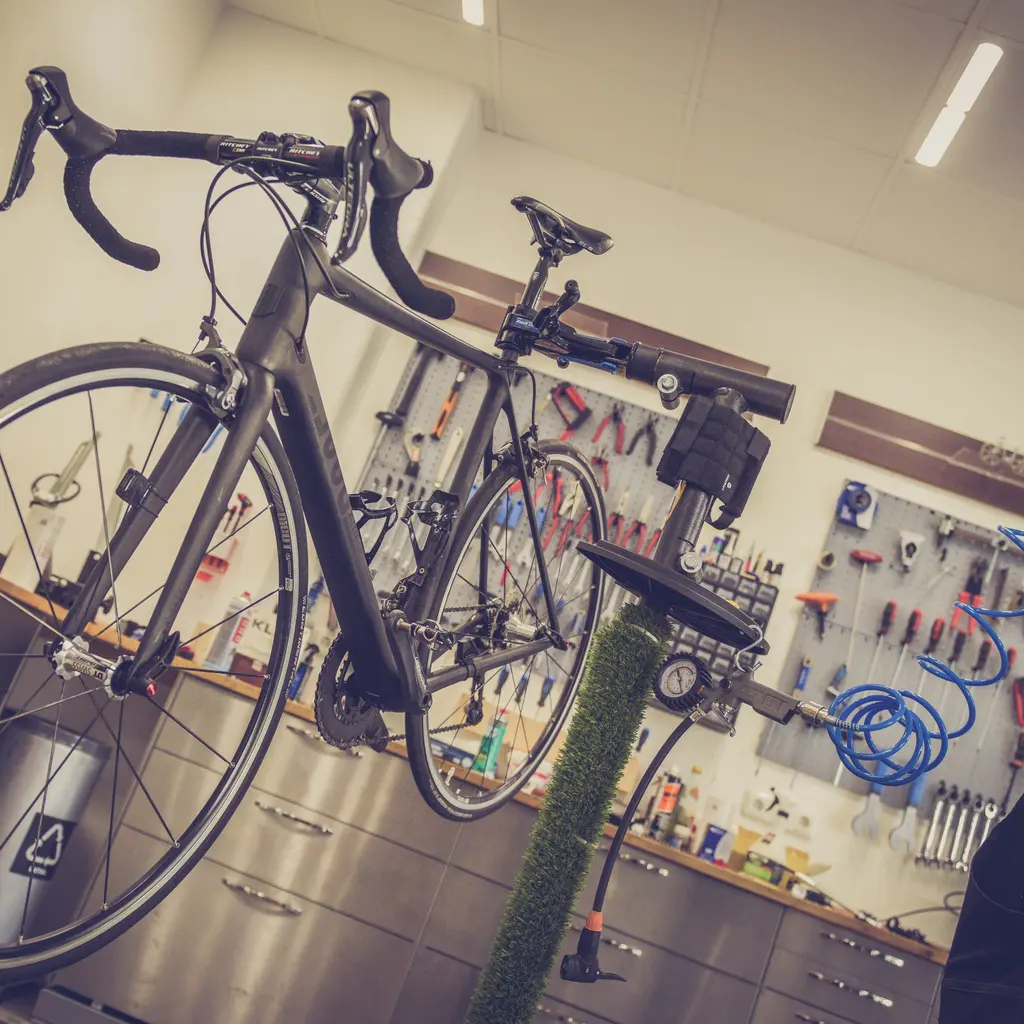
You assemble bicycles, motorcycles or powered cycles using different frames, brakes, drivetrains and controls. A brake or torque error can cause a rider crash. Engines and fuel systems or battery packs and charging add different hazards where used, while staff tests and buyer demonstrations put units on roads or test areas before sale.
The Southern Agency can help you review your assembly and testing responsibilities. We can discuss, for instance, how to distinguish the insurance needed for road testing from the coverage for finished cycles in your shop inventory.
Incorrect brake setup, loose torque, or faulty drivetrain assembly can cause a crash, exposing the assembler to product liability for rider injuries.
Storing, charging, and installing lithium battery packs on e-bikes and electric motorcycles creates fire and thermal-runaway exposure.
Road testing finished motorcycles or demonstrating units to buyers creates auto and operator liability beyond the assembly floor.
Lifting heavy frames and engines, pinch points, and use of solvents and lubricants expose assembly workers to injury claims.
Stocks of components and completed motorcycles and bicycles concentrate value that fire, theft, or storm could damage.
Sales agreements often require specific product liability limits and additional-insured status before vehicles can be distributed.
Policies to ask about. Which ones fit depends on your operations, your contracts, and the carrier’s forms.
These hypothetical examples are not agency claim results. Whether a loss is covered depends on the facts, policy terms, and applicable exclusions.
A customer alleges that improperly assembled brakes caused a crash. A product liability policy may respond to defense and damages, depending on policy terms and the facts of the incident. Coverage for resulting injury does not establish payment to correct all brakes, replace the motorcycle, or withdraw related units.
A lithium battery pack ignites in the storage area and damages inventory. Commercial property coverage may help with the loss, subject to the specific policy and exclusions. Check the batteries and finished stock included, the cause of loss and any purchased income terms. Replacing defective packs across a batch is a separate question.
A staff member road-testing a finished motorcycle is involved in a collision with another vehicle. Business auto coverage may respond, depending on policy terms and how the vehicle was used. Confirm the motorcycle, staff test-riding use, and route are included. Liability to the other driver and damage to the motorcycle require separate review.
Start with the work you do and the questions your current policies leave unanswered. Carrier options depend on your location, risk, and underwriting. Explore our approach.
A loose fastener, incorrectly set brake or faulty assembly can be alleged to cause a rider crash. Compare the cycle types and design or assembly work described in the policy with the injury claim. Repairing the cycle, replacing components across a batch and handling warranty returns are separate costs.
Describe the packs and chargers supplied, storage and charging operations, and how damaged or returned packs are handled. Lithium-ion batteries can overheat and spread fire to surrounding stock. Review resulting plant damage separately from defective-pack replacement, field injury claims, and recall costs.
Identify the vehicle, owner, rider, and route, including whether customers ride demo units. Confirm the policy includes that cycle and use, and review liability to others separately from damage to the test vehicle. Do not assume a bicycle demonstration and a motorcycle road test receive identical treatment.
Bring the actual product limits, additional-insured requests and defect, return, and recall obligations. Compare them with the issued policies and endorsements. A dealer contract or certificate does not add coverage or guarantee an available matching program.
Report peak values and identify components, batteries, sale-stock vehicles, and demo units by owner and location. Check covered causes and any vehicle or off-site restrictions. Transit, customer-owned cycles and the cost of correcting a defective unit need separate review.
Describe the assembly, battery-handling, and test-riding duties and the states where employees work. Applicable state rules and policy terms determine requirements and benefits; the assembler label alone does not settle worker status or every injury claim.
Bring your questions, current policies, and relevant contracts. An agent can review coverage terms, exclusions, and the information carriers ask for, then explain the options available to you.