

Product failure in demanding service
A defect in armor plating, drivetrain, braking, or structural welds on a fielded vehicle can lead to serious injury and significant product liability exposure.
Try a different word, or check the spelling.
Your prototype can leave the plant for a proving ground while its technical data remains on your systems. Property, testing, and data protection need to fit those locations and classifications, not assume every defense contract or file receives identical coverage.
The Southern Agency can help you align your defense-contracting risks with insurance terms for your fabrication plant and vehicle testing.
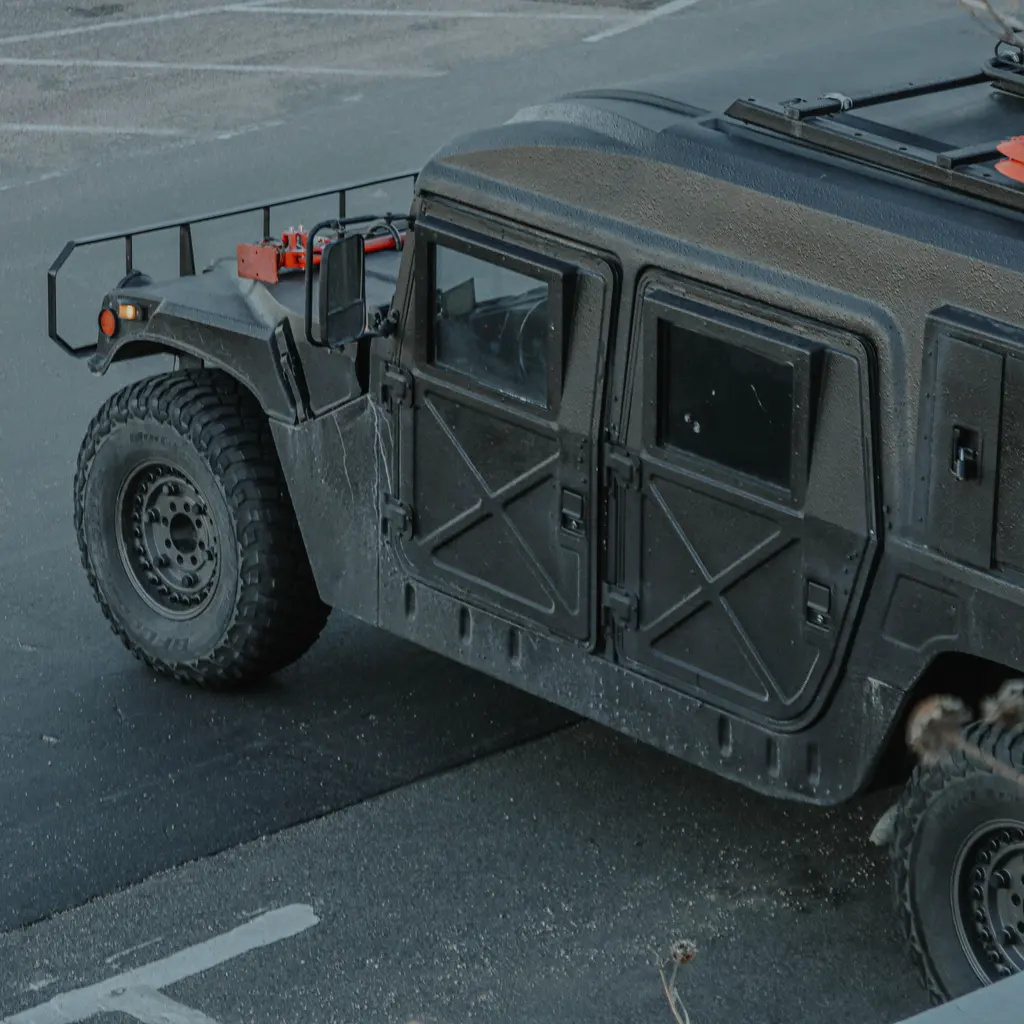
You fabricate and test armored vehicles for defense contracts, which involves complex welding, ballistic-material handling, and sensitive data. A failure in design or structural performance can result in serious claims, while government contracts introduce specific property and testing requirements.
The Southern Agency can review your fabrication plant operations and contractual obligations to help you choose appropriate insurance. For example, we can assist in understanding how testing at remote sites is handled compared to your primary manufacturing location.
A defect in armor plating, drivetrain, braking, or structural welds on a fielded vehicle can lead to serious injury and significant product liability exposure.
Cutting, grinding, welding, and assembly of heavy components expose workers to burns, crush injuries, and repetitive-motion claims.
Identify the technical information held and its applicable export-control classification. Unauthorized access or transfer can create security and compliance exposure; military work does not make all data ITAR-controlled.
Driving finished and prototype vehicles on roads and proving grounds creates auto and operator liability beyond the plant floor.
CNC machines, presses, paint systems, and hydraulic equipment are difficult to replace, and failure can halt contracted production schedules.
Read the insurance, indemnity, and security clauses in each prime contract or subcontract. Requested limits and additional-insured status must be compared with the policies and endorsements rather than assumed covered.
Hot work, fuels, hydraulic fluids, and finishing chemicals raise the risk of a fire that could damage the facility and work in progress.
Policies to ask about. Which ones fit depends on your operations, your contracts, and the carrier’s forms.
These hypothetical examples are not agency claim results. Whether a loss is covered depends on the facts, policy terms, and applicable exclusions.
A steering component on a delivered tactical vehicle is alleged to have failed, leading to an accident and a product claim. A product liability policy may respond to defense and damages, depending on policy terms and the facts. Review the military use and design provisions as well as the injury claim. Repairing the failed component or withdrawing other vehicles requires separate consideration.
A hydraulic press fails mid-run and delays a contracted delivery. Equipment breakdown coverage may help with repair and resulting lost income, subject to the specific policy and exclusions. A covered internal press failure and purchased income terms matter; the contract’s delivery date does not establish coverage for penalties or all lost orders.
An intrusion exposes export-controlled vehicle schematics. A cyber policy may respond to forensic, notification, and liability costs, depending on the specific policy, endorsements, and exclusions. Review the information and systems involved and the covered response and liability costs. A breach does not establish payment for export-control penalties or required security upgrades.
Start with the work you do and the questions your current policies leave unanswered. Carrier options depend on your location, risk, and underwriting. Explore our approach.
Start with the platforms and components supplied, design duties, heavy-fabrication plant, and vehicle tests. Compare product liability, property, equipment breakdown, employee, and cyber needs against those operations. Prototype driving and contract obligations need their own review rather than a standard military-manufacturer package.
Read the insurance clauses in your contract and any subcontract flow-downs. Compare the requested limits, insured parties, and endorsements with the issued policies. A prime contractor’s requirement does not guarantee matching insurance is available or that an indemnity is covered.
First establish which information is controlled and what handling duties apply. Some military-related items fall under the EAR rather than ITAR; the customer’s identity alone does not settle that classification. A cyber policy may address specified breach costs or claims, but it is not permission to transfer data or assurance of payment for export-control penalties.
Tell your agent about road and proving-ground tests, drivers, vehicle ownership, and military modifications. Review liability for driving and damage to the test vehicle separately. Plant property and product liability should not be assumed to cover all prototype use.
Review the alleged injury or damage, the platform’s intended use and the product and design provisions in the policy. Repairing the failed steering or armor system, satisfying a performance guarantee and withdrawing other vehicles are separate costs from the resulting liability claim.
A covered internal failure of a press or CNC machine may qualify under equipment breakdown. Check any purchased income coverage, waiting period, and restoration terms. A delayed defense order, worn tool or failed acceptance test alone does not establish an insured breakdown.
Bring your questions, current policies, and relevant contracts. An agent can review coverage terms, exclusions, and the information carriers ask for, then explain the options available to you.