

Protective-performance product liability
Gear marketed to protect riders draws serious claims if armor, abrasion resistance, or stitching is alleged to fail in a crash.
Try a different word, or check the spelling.
The test claim on your armor insert is not necessarily a claim about the whole jacket. Product protection should match what you market, with gear at dealer events and any returns or recall costs considered separately.
The Southern Agency can help you evaluate your production risks and select insurance for your manufacturing plant, stock, and product liability.
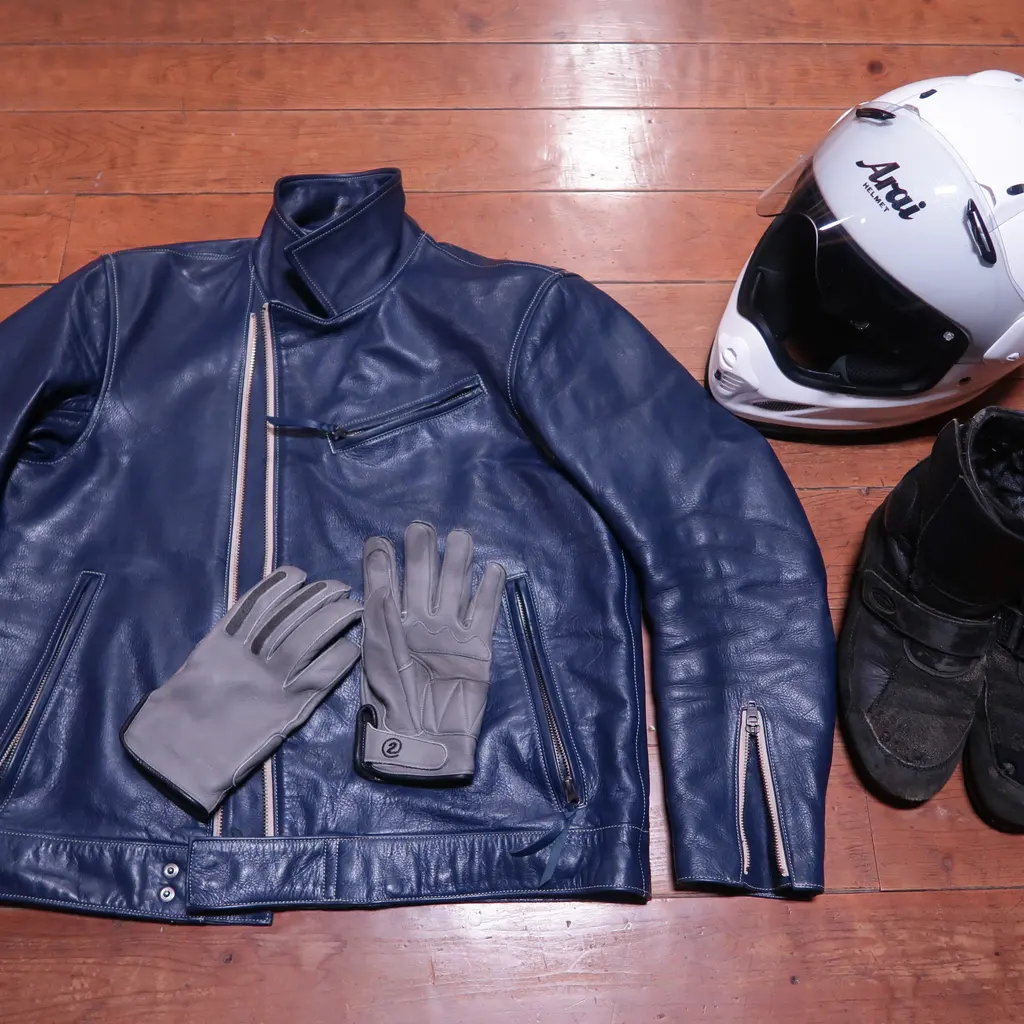
You produce protective gear like jackets and gloves using technical textiles and armor padding. A failure in seams or armor during a crash can lead to injury claims, while quality issues may trigger warranty or return requests.
The Southern Agency can help you review your production and branding claims to choose appropriate insurance. For example, we can clarify how to protect your stock during dealer events versus maintaining coverage for your primary manufacturing facility.
Gear marketed to protect riders draws serious claims if armor, abrasion resistance, or stitching is alleged to fail in a crash.
Protective statements and labels need support for the gear sold and its sales market. Identify which test or conformity claim applies to the armor component and which to the finished garment.
Cutting heavy leather and operating industrial stitching machines exposes staff to lacerations and repetitive-strain injuries.
Leather, technical fabrics, armor stock, and finished gear concentrate value vulnerable to fire, smoke, and water damage.
Distributors and brand accounts commonly demand liability limits, additional insured status, and indemnity for protective products.
A safety defect in a gear line can prompt recall, replacement, and reputational fallout across dealer channels.
Policies to ask about. Which ones fit depends on your operations, your contracts, and the carrier’s forms.
These hypothetical examples are not agency claim results. Whether a loss is covered depends on the facts, policy terms, and applicable exclusions.
A rider injured in a crash alleges the jacket's armor failed to perform as advertised. A product liability policy may respond to defense and claim costs, depending on policy terms, endorsements, and exclusions.
An operator suffers a hand injury on an industrial stitching machine. Workers' compensation may respond to medical costs and lost wages, subject to policy terms and applicable law.
A batch of jackets ships with failing main zippers and needs correction. Determine whether this is warranty work, a safety withdrawal or both. Review any separate recall terms for the gear and eligible costs; product liability alone does not establish payment for retrieval, new zippers, garment replacement, or dealer refunds.
Start with the work you do and the questions your current policies leave unanswered. Carrier options depend on your location, risk, and underwriting. Explore our approach.
A rider may allege that armor, stitching, or abrasion resistance failed to provide the protection advertised. Review the products and injury allegations covered by the policy. Replacing the garment, honoring a warranty and paying for a line-wide correction are separate from liability for the rider’s injury.
Bring the product labels and supporting tests, including which results apply to armor inserts and which apply to the finished garment. EU-market PPE has defined conformity and CE-marking duties; CE is not a universal US riding-apparel requirement. Have qualified advisers check the sales-market rules and compare the products and claims with the policy.
Compare plausible crash-injury claims, distribution, and dealer requirements with the primary and excess policies. Check that the gear and product risks are included at both levels. There is no single adequate limit for all producers, and excess does not turn warranty or recall costs into covered injury claims.
A safety correction may require buyer notices, retrieval, repair, or replacement. Ordinary product liability does not establish payment for those expenses. Review any separately offered recall form for the gear, defect trigger, costs, limits, and notice or consent conditions; dealer returns and ordinary zipper warranty work may involve different terms.
Read the dealer or brand’s requested limits, additional-insured terms and indemnity, return, and withdrawal obligations. Compare them with the issued policies and endorsements. A request or certificate does not guarantee matching coverage or payment for the dealer’s assumed costs.
Describe heavy leather cutting, industrial stitching, and repetitive work, along with employee status and locations. Workers’ compensation requirements and benefits depend on applicable state rules and the policy.
Bring your questions, current policies, and relevant contracts. An agent can review coverage terms, exclusions, and the information carriers ask for, then explain the options available to you.