

Sharps injury and product defect claims
A pin or needle that breaks, burrs, or has a defective point can injure users or fail in service, prompting product liability claims.
Try a different word, or check the spelling.
Your customer's rejected point or finish can require sorting and repointing without an injury or damaged machine. Product and equipment terms should separate those costs from covered harm, with the actual application and materials identified.
The Southern Agency can help you align your insurance coverage with your specific manufacturing processes and product end uses.
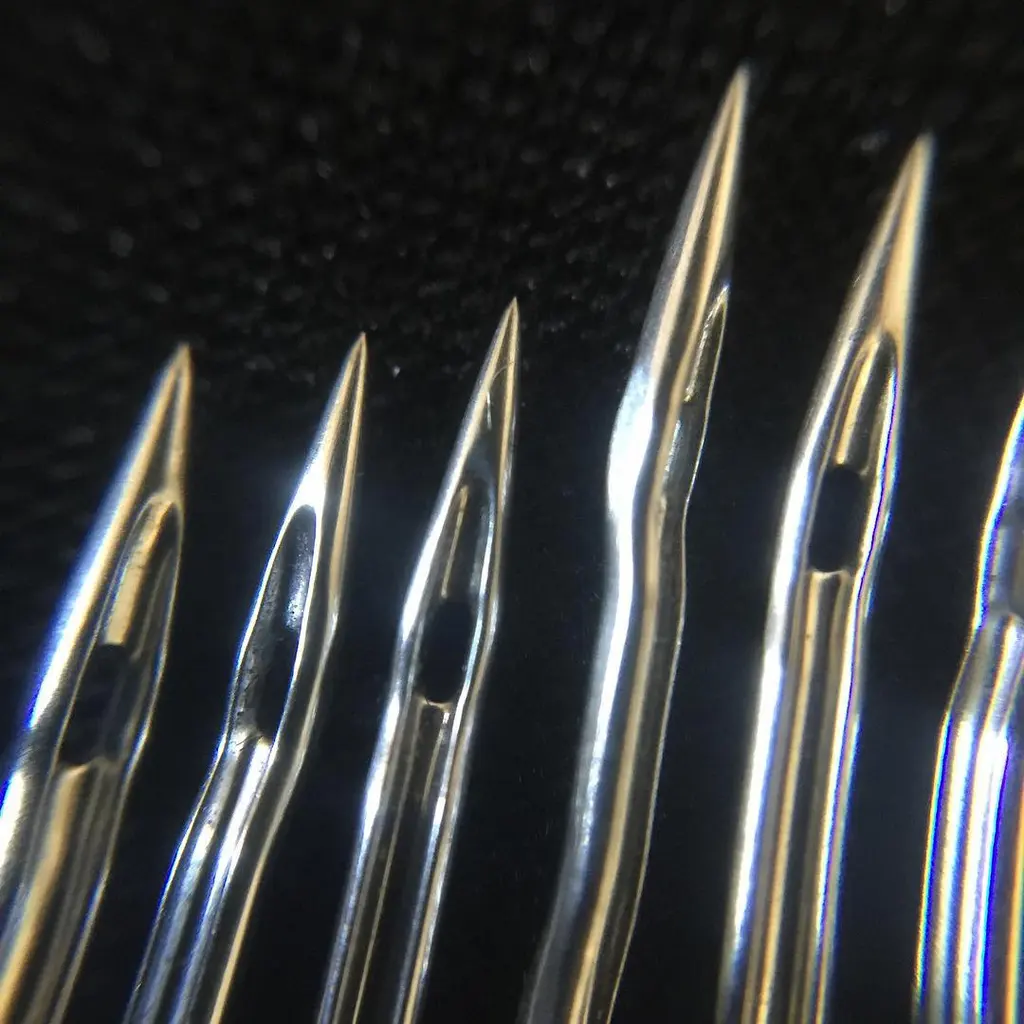
Your manufacturing work involves wire drawing, cutting, pointing, grinding, heat treating, and plating to create precision parts with sharp ends. A broken point, burr, or poor finish can potentially cause injury or damage to a customer’s application.
The Southern Agency can review your specific materials, equipment, and end-use applications to help select appropriate insurance. For example, we can differentiate your coverage for third-party injury claims from separate considerations for rejected lots that require simple repointing or replacement.
A pin or needle that breaks, burrs, or has a defective point can injure users or fail in service, prompting product liability claims.
Drawing machines, grinders, and pointing equipment expose operators to caught-in, laceration, and amputation hazards.
Furnaces and electroplating lines create burn, fume, and chemical-handling concerns that require careful controls.
Specialized pointing and drawing machines are central to production; a breakdown can stop a line with no easy substitute.
Assess the actual wire metal, particle size, lubricants, and degreasers. Combustible fines or fluids can create fire hazards, but bulk metal and every grinding residue do not have the same fire properties.
Out-of-spec points or finishes can be rejected by customers or fail in precision applications, leading to chargebacks and claims.
Policies to ask about. Which ones fit depends on your operations, your contracts, and the carrier’s forms.
These hypothetical examples are not agency claim results. Whether a loss is covered depends on the facts, policy terms, and applicable exclusions.
A customer alleges a sewing needle snapped and caused injury. A product liability policy may respond to defense and damages, depending on policy terms and the facts of the claim. Review the user’s injury separately from the failed needle, replacement lots, and any withdrawal costs.
A specialized pointing machine breaks down and halts a key run. Equipment breakdown coverage may help with repair and resulting lost income, subject to the policy and exclusions. Check the cause of failure, covered tooling and the income extension purchased. Rejected points and contractual delay costs are separate.
A fire involving accumulated metal fines damages equipment and wire stock. Commercial property coverage may respond to repair and replacement, depending on policy terms. Assess the actual fines and fire cause, then review the insured equipment and wire-stock values. Do not infer that all bulk metal or every dust accumulation is combustible.
Start with the work you do and the questions your current policies leave unanswered. Carrier options depend on your location, risk, and underwriting. Explore our approach.
A snapped or burred needle can cause injury, and a defective point can damage other property in a customer’s application. Review the product and end use, including terms for the failed needle and a customer’s product that cannot be used until it is replaced. Sorting, repointing, replacing your parts and withdrawing a batch are separate costs.
Yes. Identify the intended medical use and whether you supply a point or component, assemble a finished device, design it, or perform sterilization. Have qualified advisers establish the applicable device obligations and compare that work with the proposed policy. Medical use does not establish approval, accepted coverage or payment for device correction and recall.
Review fire and other covered physical causes under property insurance and covered internal failures under equipment breakdown. Check tooling, stock, and any income extension against realistic repair and restart time. Ordinary grinding-wheel wear, poor tolerances and missed orders are separate issues.
Describe the furnace, bath chemicals, ventilation, materials, and waste or release routes. Review property damage, employee exposure and pollution terms separately. Coverage for a plant fire does not establish payment for routine waste treatment, chemical cleanup, compliance work, or fines.
Describe employee status, locations and the drawing, grinding, sharps, heat-treat, and chemical duties. Most states have employee insurance requirements with exceptions; applicable state rules and policy terms determine the requirement and benefits.
A lot that misses a tolerance or finish specification may require sorting, repointing, replacement or a buyer credit without an injury or other-property damage claim. Review those contract costs separately from product liability, including any impaired-property or recall provisions. Do not assume a rejection or chargeback is an insured loss.
Bring your questions, current policies, and relevant contracts. An agent can review coverage terms, exclusions, and the information carriers ask for, then explain the options available to you.