

Atmosphere
Methane and suspended coal dust can contribute to explosion.
Try a different word, or check the spelling.
Your equipment may need recovery from underground, while ventilation, hoists and pumps support continued work. Property and breakdown terms should accept those locations and systems, separately from a precautionary shutdown, subsidence and specialized worker obligations.
Identify underground locations, major systems and retrieval costs, with surface agreements and separately confirmed worker-benefit arrangements.
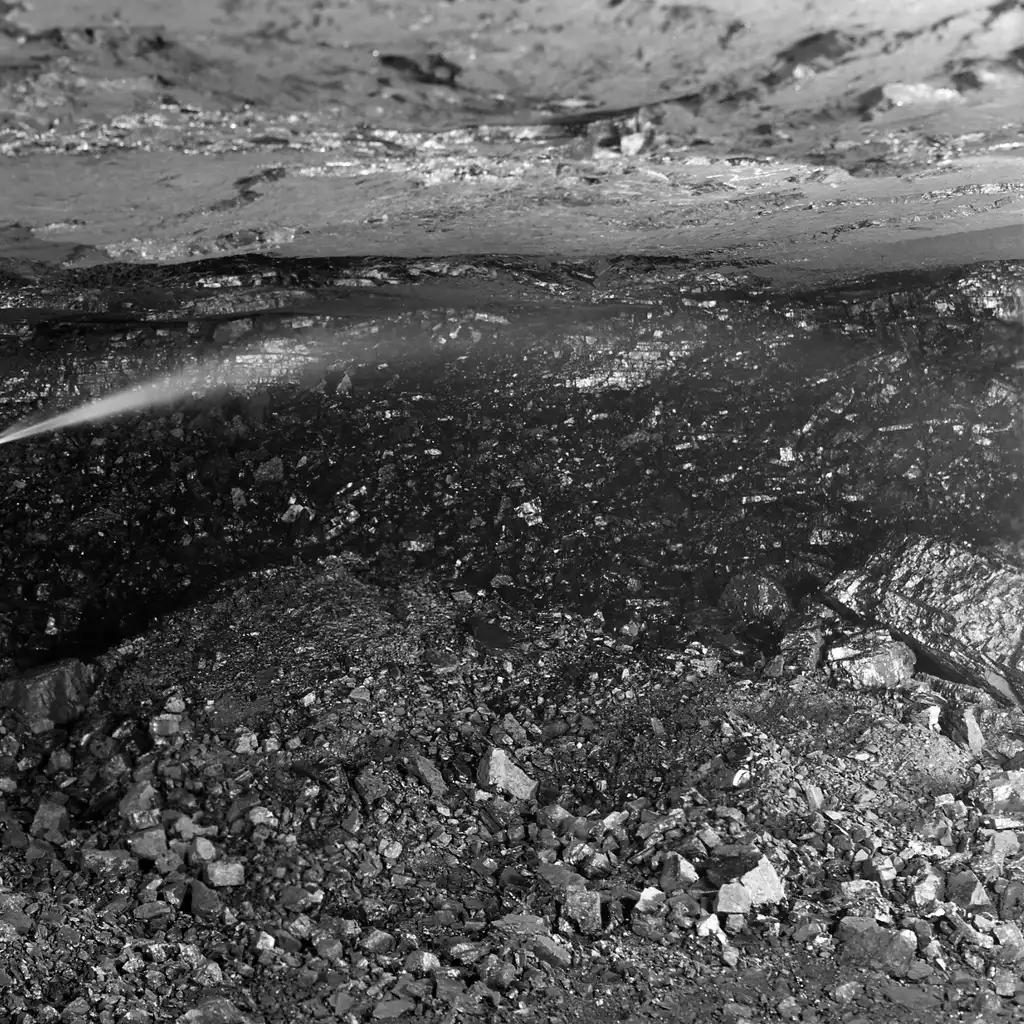
You extract coal through shafts and underground workings using specialized equipment. Atmosphere monitoring, roof stability, and equipment recovery create complex operating hazards.
The Southern Agency can review your underground duties and equipment to help select appropriate insurance. For example, we can discuss whether your inland marine terms account for the difficulty of recovering equipment underground and how your workers compensation reflects these specific duties.
Methane and suspended coal dust can contribute to explosion.
Roof or rib falls threaten people and equipment.
Dust exposure creates long-term benefit questions.
Ventilation, hoists, power, and pumps support safe operation.
Subsidence and mine-water discharge can affect others.
Policies to ask about. Which ones fit depends on your operations, your contracts, and the carrier’s forms.
These hypothetical examples are not agency claim results. Whether a loss is covered depends on the facts, policy terms, and applicable exclusions.
Applicable injury benefits and accepted duties govern compensation review.
A main ventilation fan could fail and require crews to leave the workings. Review the accepted fan, cause and repair under breakdown terms, then the purchased income trigger and restoration period. A precautionary evacuation or lost operating permission alone does not establish covered damage or every lost shift.
A neighboring owner might allege that ground movement from mining damaged their building. Review the actual workings, surface rights, cause and accepted subsidence terms. Ordinary general liability, environmental cover or an excess layer does not itself establish subsidence protection.
Start with the work you do and the questions your current policies leave unanswered. Carrier options depend on your location, risk, and underwriting. Explore our approach.
Crews face immediate and long-term injury interests requiring correctly arranged mining benefits.
Underground location, collapse, inundation, and recovery terms need explicit acceptance.
Subsidence can be excluded; inspect primary and excess wording.
Breakdown repair and income depend on a covered event, not simply lost operating permission.
Black-lung benefits require separate specialist confirmation of applicable obligations and arrangements.
Mining method, controls, locations, values, payroll, and history shape underwriting.
Bring your questions, current policies, and relevant contracts. An agent can review coverage terms, exclusions, and the information carriers ask for, then explain the options available to you.