

Large machines
Dragline or shovel losses can involve difficult repairs.
Try a different word, or check the spelling.
Your dragline repair, self-heating coal stock and long-running drainage condition require different causes, values, and histories. Equipment and environmental protection should identify those interests, while black-lung arrangements and restoration assurance need specialist confirmation of their own.
Document major-unit values and repair lead times, actual coal-storage and drainage controls, and the permit duties your operation holds.
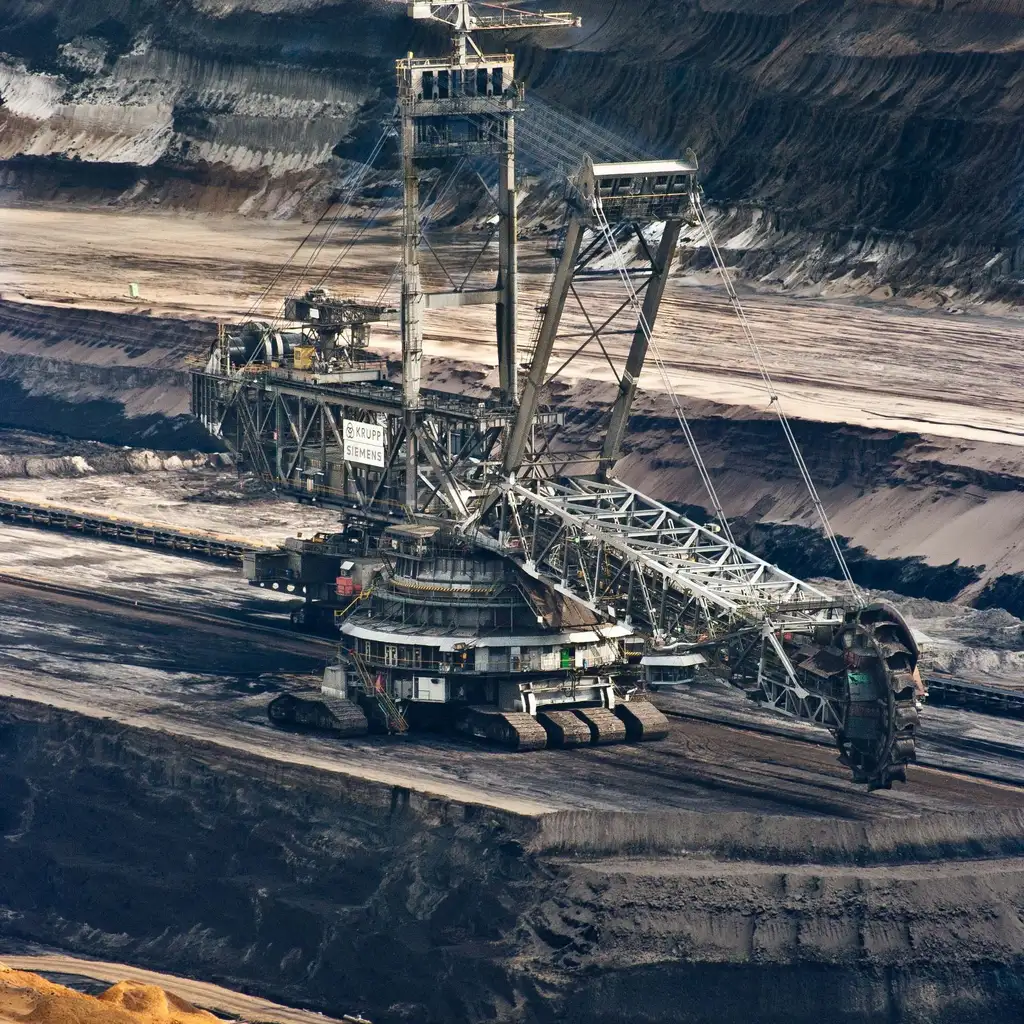
You strip overburden, extract coal, and move material through preparation and shipment. Dragline operation, blasting and coal management carry risks to both equipment and the land.
The Southern Agency can review your stripping and processing work to help you select appropriate insurance. We can compare accepted major-equipment and income terms with coal-fire and drainage conditions, keeping worker benefits and permit assurance separate.
Dragline or shovel losses can involve difficult repairs.
Self-heating can damage stock and surrounding assets.
Highwalls and spoil placement can fail.
Acidic or sediment-bearing water can leave disturbed areas.
Dust-related claims and restoration duties involve different obligations.
Policies to ask about. Which ones fit depends on your operations, your contracts, and the carrier’s forms.
These hypothetical examples are not agency claim results. Whether a loss is covered depends on the facts, policy terms, and applicable exclusions.
Suppose a dragline fire stops stripping work. Review the actual scheduled machine, accepted fire cause and valuation before estimating eligible repair. Purchased production income needs its own trigger and restoration period; difficult replacement or missed output alone does not establish every delivery remedy.
Suppose a coal stockpile self-heats and ignites near preparation equipment. Compare stock, actual cause and any resulting damage with the form's self-heating and fire wording. Do not treat the label 'fire' as proof that both lost coal and all surrounding damage are insured.
Suppose drainage from disturbed ground reaches a stream. Environmental review needs the actual site chemistry, release history, responsibility and prior-condition restrictions. Routine water management, reclamation assurance and permit compliance are different duties from a covered pollution claim.
Start with the work you do and the questions your current policies leave unanswered. Carrier options depend on your location, risk, and underwriting. Explore our approach.
Schedule major units with accepted mining use and supportable values.
Self-heating and resulting damage need direct policy review rather than assumed fire treatment.
Runoff and acid drainage depend on site chemistry, history, and purchased wording.
Use the permit's actual assurance conditions; no universal bond determination is made.
Repair and production income need qualifying causes and applicable restoration terms.
Equipment, methods, coal-fire controls, drainage, payroll, and losses influence underwriting.
Bring your questions, current policies, and relevant contracts. An agent can review coverage terms, exclusions, and the information carriers ask for, then explain the options available to you.