

Blasting
Flyrock or vibration from a blast can lead neighbors to allege structural damage. Review proximity and monitoring records alongside the actual blasting duties and exclusions.
Try a different word, or check the spelling.
A blast can prompt a neighbor's damage claim before the stone reaches your crusher. Confirm quarry and blasting scope, not just a general liability limit.
Talk with The Southern Agency about your operation, policy terms, and the information carriers need.
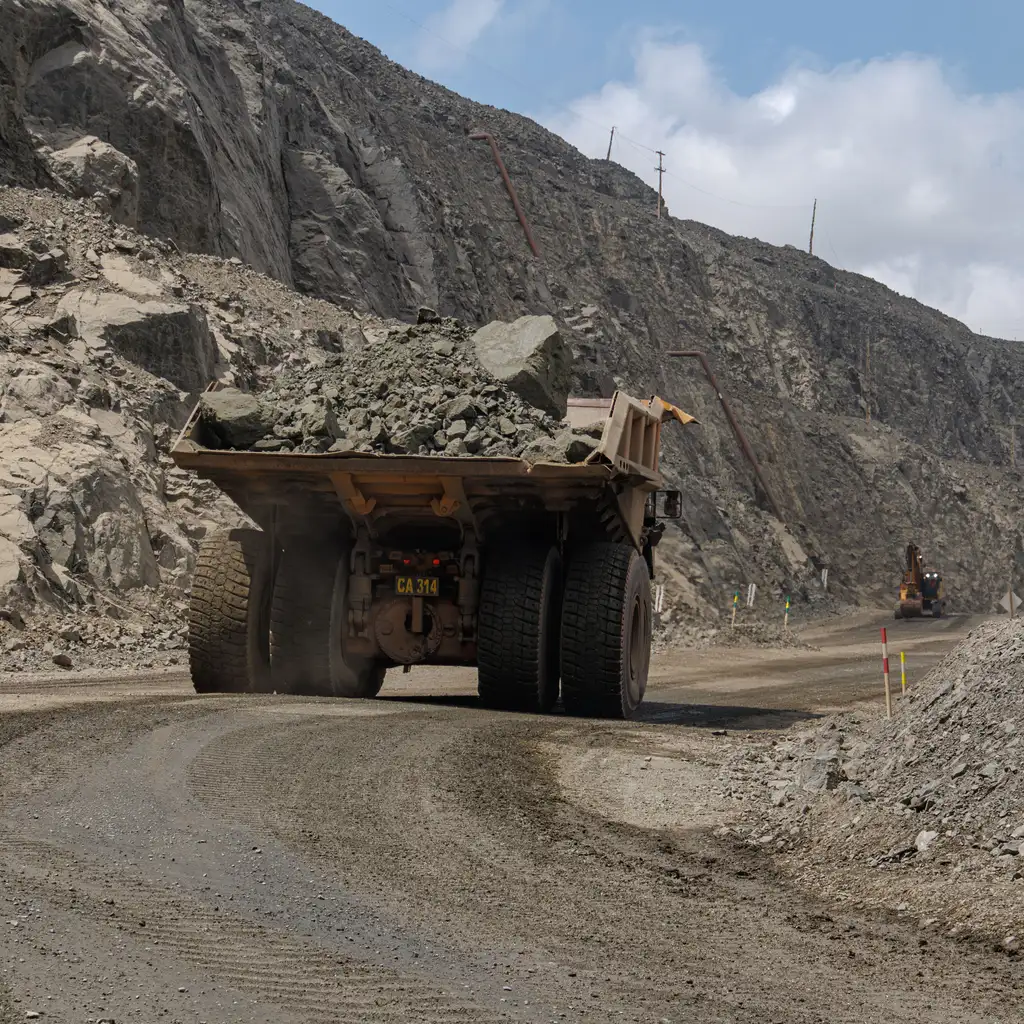
You extract and process stone for various buyers, using blasting and heavy haul equipment. A blasting event or a vehicle incident on your roads can lead to third-party claims.
The Southern Agency can review your quarry operations to help you select insurance for blasting, equipment, and products. We can discuss how to address liability for neighbors and customers.
Flyrock or vibration from a blast can lead neighbors to allege structural damage. Review proximity and monitoring records alongside the actual blasting duties and exclusions.
A failed crusher, screen or conveyor can stop aggregate output. Fire damage, an insured internal failure and ordinary wear require different property or machinery terms.
Customer drivers use loading and scale areas alongside loaders and quarry trucks. A collision can involve vehicle liability as well as site control and loading responsibilities.
Highwalls and haul-road grades expose crews and mobile equipment to falls, rollover and rock movement. Worker protection and the equipment's own damage need separate review.
Dust composition and buyer specifications create different health and financial questions.
Policies to ask about. Which ones fit depends on your operations, your contracts, and the carrier’s forms.
These hypothetical examples are not agency claim results. Whether a loss is covered depends on the facts, policy terms, and applicable exclusions.
A neighbor reports cracked foundations after a blast. Review blasting and vibration provisions, contractor duties and investigation records for the alleged damage. The complaint alone does not establish responsibility or coverage.
An internal crusher failure stops production while replacement parts are sourced. Machinery terms may address an accepted repair; lost-sales income and temporary processing costs need their own applicable interruption protection.
A loader strikes a customer's truck at the loading area. Identify the equipment, ownership, vehicle use and loading duties before comparing site and vehicle liability terms; the collision does not automatically fit general liability.
Start with the work you do and the questions your current policies leave unanswered. Carrier options depend on your location, risk, and underwriting. Explore our approach.
Neighbor claims require appropriate blasting and vibration scope.
Fixed plant, mobile equipment and internal failure require coordinated property, equipment and breakdown provisions.
Where respirable silica is present, exposure and occupational claims need review under applicable rules.
Rejected material alone may remain a contract loss; alleged downstream damage is a separate question.
Visiting trucks create premises and vehicle questions; do not assume all collisions fit general liability.
Proximity, tonnage, values, traffic, payroll, and losses affect terms.
Bring your questions, current policies, and relevant contracts. An agent can review coverage terms, exclusions, and the information carriers ask for, then explain the options available to you.