

Flyrock
Material can travel beyond the intended exclusion area.
Try a different word, or check the spelling.
A vibration claim can follow a shot even when no flyrock was observed. Your liability wording needs to address both exposures, alongside the records needed to investigate them.
The Southern Agency can review your blasting work, nearby-property exposure and transport duties against the primary and excess terms offered.
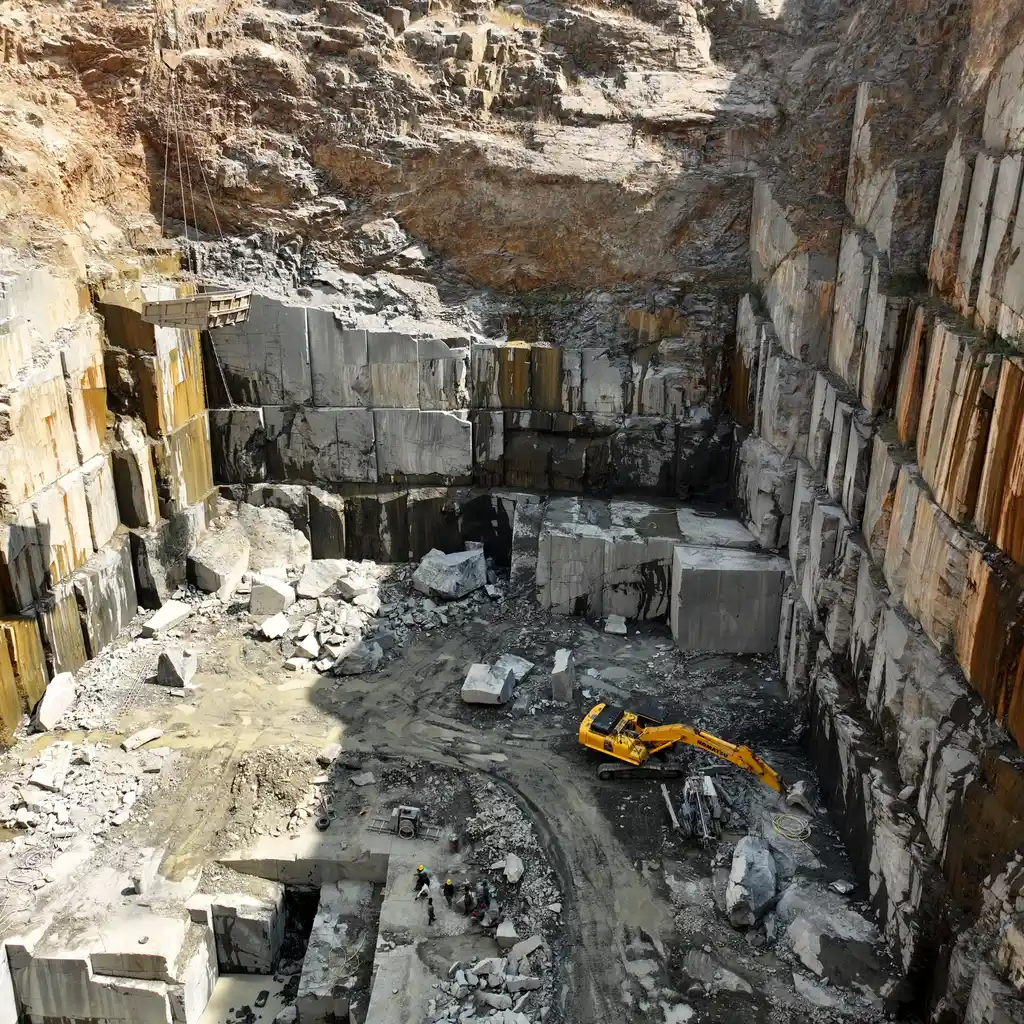
You drill and load shots for mines or quarries. Flyrock can damage a neighboring building, while vibration can lead to a disputed foundation claim.
The Southern Agency can review your blasting procedures, transport logistics and equipment to help you select insurance that addresses your specific risks. We can help you identify if policies cover flyrock and vibration damage, as these risks require specific attention beyond standard contractor insurance.
Material can travel beyond the intended exclusion area.
Neighbors may allege damage to structures or wells.
Premature detonation and misfires can harm crews and equipment.
Blasting agents can be damaged, stolen, or released.
Fumes or unspent material can affect soil and water.
Policies to ask about. Which ones fit depends on your operations, your contracts, and the carrier’s forms.
These hypothetical examples are not agency claim results. Whether a loss is covered depends on the facts, policy terms, and applicable exclusions.
Flyrock from a quarry shot damages a neighboring building, and the owner demands repairs. Accepted blasting liability may help with covered defense and damages. Compare the actual work, impact and insured entities with explosion, flyrock and property provisions, using shot and site records to investigate the claim.
A neighbor reports foundation cracks after a shot and alleges vibration. Applicable blasting terms may help with covered defense and damages. Preserve pre-blast condition surveys, monitoring and timing so the claim can be investigated; the allegation alone does not establish fault.
A truck carrying blasting agent overturns, damaging the vehicle and load and prompting roadside cleanup. Auto may address covered road claims, with truck repair under selected physical-damage terms. Cargo and environmental provisions must fit the material, ownership and release for their respective losses; one transport limit does not establish all three protections.
Start with the work you do and the questions your current policies leave unanswered. Carrier options depend on your location, risk, and underwriting. Explore our approach.
No. Ordinary liability can restrict blasting, explosion or vibration; inspect the offered wording.
Vehicles, carried product and spills require coordinated auto, cargo and pollution review.
Vibration and airblast require express scope review; an allegation alone does not establish liability.
Residue or fumes can create pollution claims separate from ordinary physical impact.
Use each client's actual limits and endorsement requirements rather than promising every request can be met.
Additional limits apply only to covered claims within the relevant underlying and excess scope.
Bring your questions, current policies, and relevant contracts. An agent can review coverage terms, exclusions, and the information carriers ask for, then explain the options available to you.