

Customer cars
Vehicles can be damaged or stolen while awaiting parts or repair.
Try a different word, or check the spelling.
A car waiting for parts can remain in your care while spray work, welding, and testing continue around it. Customer-vehicle, shop, and environmental protection should distinguish those interests, without assuming extra liability limits raise garagekeepers values or replace booth income benefits.
Talk with The Southern Agency about your operation, policy terms, and the information carriers need.
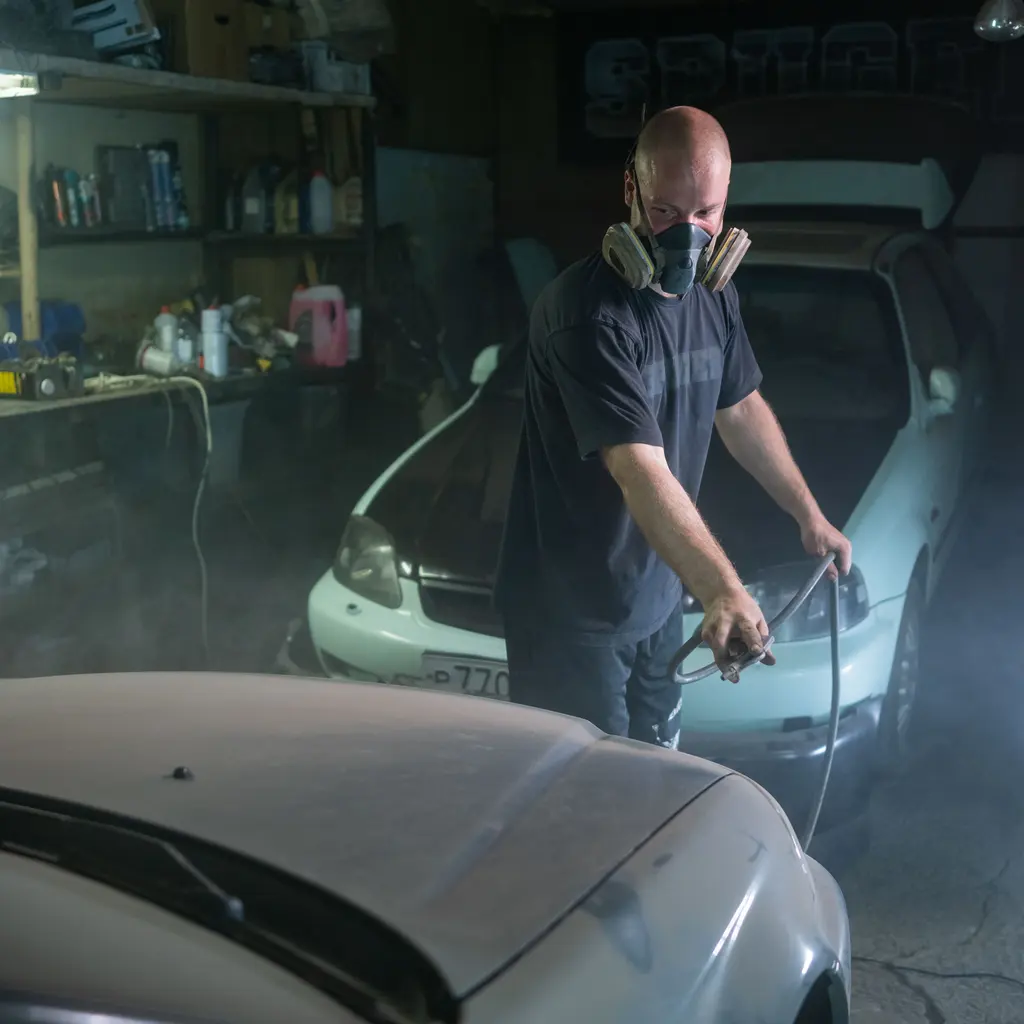
You restore damaged vehicles through panel work, welding, and refinishing. A paint-booth fire can damage the shop and several customer cars, while a disputed repair can generate a later liability claim.
The Southern Agency can review your spray processes, vehicle storage and finished work to help you choose insurance for your shop. We can discuss how to protect customer vehicles in your custody and address liabilities beyond standard mechanical service.
Vehicles can be damaged or stolen while awaiting parts or repair.
Welding and spray materials create ignition concerns.
Overspray and solvent waste can affect others.
Post-repair testing adds vehicle exposure.
Frame equipment, exhaust systems, and heavy panels create injury and downtime concerns.
Policies to ask about. Which ones fit depends on your operations, your contracts, and the carrier’s forms.
These hypothetical examples are not agency claim results. Whether a loss is covered depends on the facts, policy terms, and applicable exclusions.
A customer car waiting for parts is struck while parked in the shop's lot. Garagekeepers review should identify custody, the cause and the chosen legal-liability or direct basis. Coverage for your building or shop vehicles does not establish payment for the customer's car.
A spray-booth fire damages the booth and several customer vehicles. Own property and garagekeepers terms need to address their separate interests and peak values. Additional liability limits do not automatically increase the amount available for customer cars.
Thinner escapes into a drain and a cleanup demand follows. Environmental coverage depends on the accepted chemicals, release, site and disposal responsibilities. Routine waste handling and upgrades to prevent another release are different costs.
Start with the work you do and the questions your current policies leave unanswered. Carrier options depend on your location, risk, and underwriting. Explore our approach.
Garagekeepers must fit custody, values, and legal-liability or direct options.
Ordinary building property is not a substitute for customer-vehicle protection.
Booth condition and actual processes inform fire and exposure review.
Overspray and disposal can create claims outside ordinary garage liability.
Qualifying machinery failure differs from wear; repair and income have separate conditions.
Services, peak car values, controls, payroll, and losses affect underwriting.
Bring your questions, current policies, and relevant contracts. An agent can review coverage terms, exclusions, and the information carriers ask for, then explain the options available to you.