

Marine structures exposed
Storm surge or a vessel striking a pier can damage costly infrastructure. Deterioration and maintenance require separate attention.
Try a different word, or check the spelling.
A tenant can handle the vessel or cargo while you retain responsibility for a pier or public walkway. Review that division and the actual public authority or private manager before relying on ordinary property or corporate D&O terms.
The Southern Agency can help compare your retained waterfront duties with tenant agreements and the actual public or private entity seeking protection.
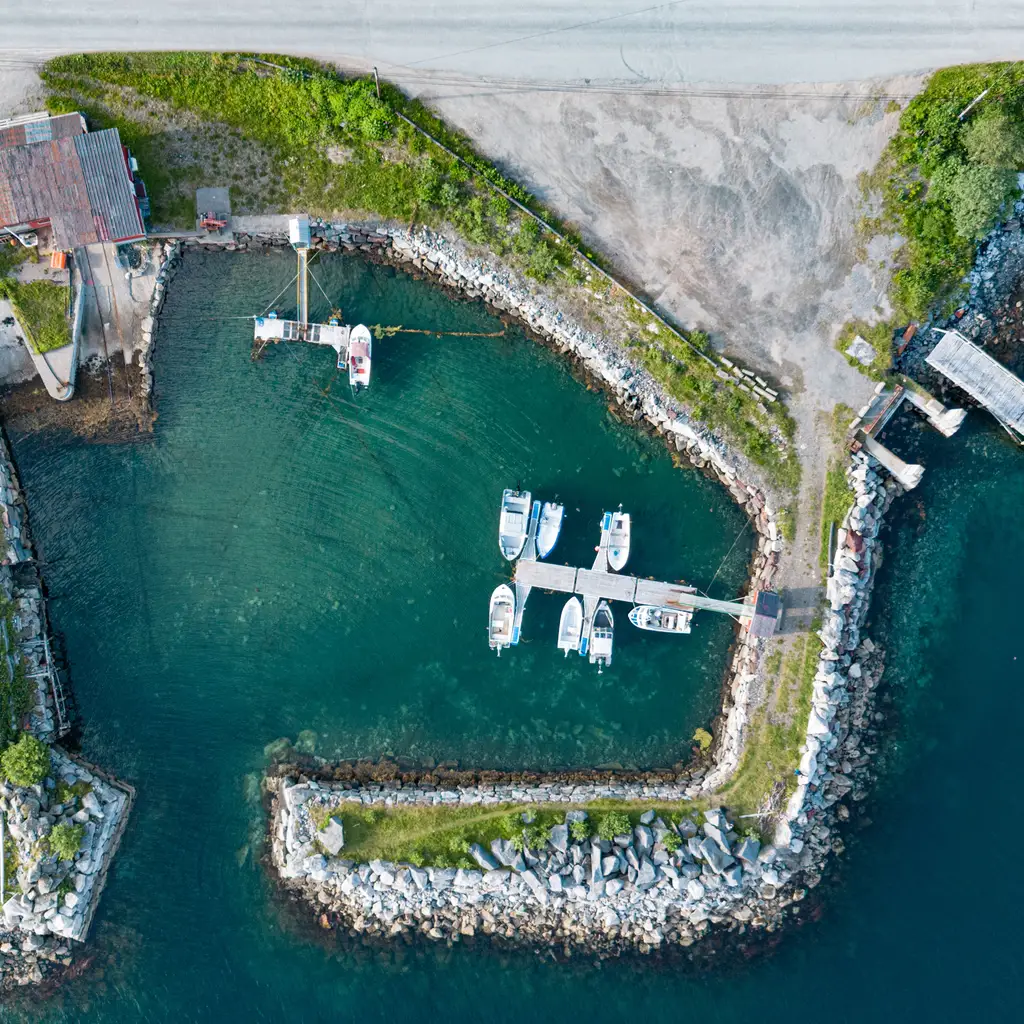
You manage piers, access areas and tenant responsibilities at a working waterfront. A damaged berth or unsafe walkway can lead to a claim against you even where another business handles the vessel or cargo.
The Southern Agency can review your management responsibilities and tenant agreements to help you select appropriate insurance. We can help you distinguish your facility-liability risks from the operational risks carried by the cargo handlers or vessel operators using your harbor.
Storm surge or a vessel striking a pier can damage costly infrastructure. Deterioration and maintenance require separate attention.
Working docks, public walkways, and recreation areas create different access and injury risks.
Fuel releases, runoff, and contaminated dredge material can create cleanup or third-party claims.
Tenants may challenge lease or safety decisions. A public authority and a private manager can need different liability forms.
Policies to ask about. Which ones fit depends on your operations, your contracts, and the carrier’s forms.
These hypothetical examples are not agency claim results. Whether a loss is covered depends on the facts, policy terms, and applicable exclusions.
A vessel strikes a managed pier, closing a berth while structural repairs are assessed. Review accepted vessel-strike terms, valuation and purchased loss-of-revenue protection separately from a claim against the vessel. Scheduled property, liability recovery and maintenance or deterioration costs are different questions.
A visitor falls on a public walkway and alleges its surface was poorly maintained. Review who controlled the area, the accepted premises duty and actual liability exclusions. A tenant's certificate does not itself establish that your organization is an additional insured or that its retained duty has transferred.
A tenant sues board members over a lease decision, alleging unfair treatment and financial loss. Check the actual public/private entity and insured governance capacities, claim and contract exclusions. Refunding rent, rewriting a lease or defending an allegation are not automatically the same insured loss.
Start with the work you do and the questions your current policies leave unanswered. Carrier options depend on your location, risk, and underwriting. Explore our approach.
Consider marine property, port liability, pollution and entity-appropriate governance protection, plus staff injury arrangements. Actual duties determine the mix.
They need suitable scheduled marine property terms. Review valuation, flood, surge, and vessel-strike treatment specifically.
Lease, budget or management decisions can prompt claims. The appropriate form depends on public or private status and its exclusions.
Yes, where the organization retains cleanup or contamination duties. Known conditions and dredge activities need express review.
Tenant activities and lease allocations affect retained liability. Insurance requests should be checked against the actual endorsements.
Location, values, and accumulations influence terms. Flood, wind and surge can have separate limits, deductibles or exclusions.
Bring your questions, current policies, and relevant contracts. An agent can review coverage terms, exclusions, and the information carriers ask for, then explain the options available to you.