

Errors in booking and documentation
A mis-booked shipment, wrong paperwork, or missed customs filing can cause delays, penalties, and client financial loss.
Try a different word, or check the spelling.
A carrier's stated cargo limit does not settle whether its policy fits the particular shipment or loss. Your forwarding protection should fit carrier-selection and documentation duties, with contingent freight loss and customer funds reviewed separately from an assumption that the hauler pays.
The Southern Agency can review actual transport modes, booking and customs duties, carrier vetting, held customer funds and contingent freight terms.
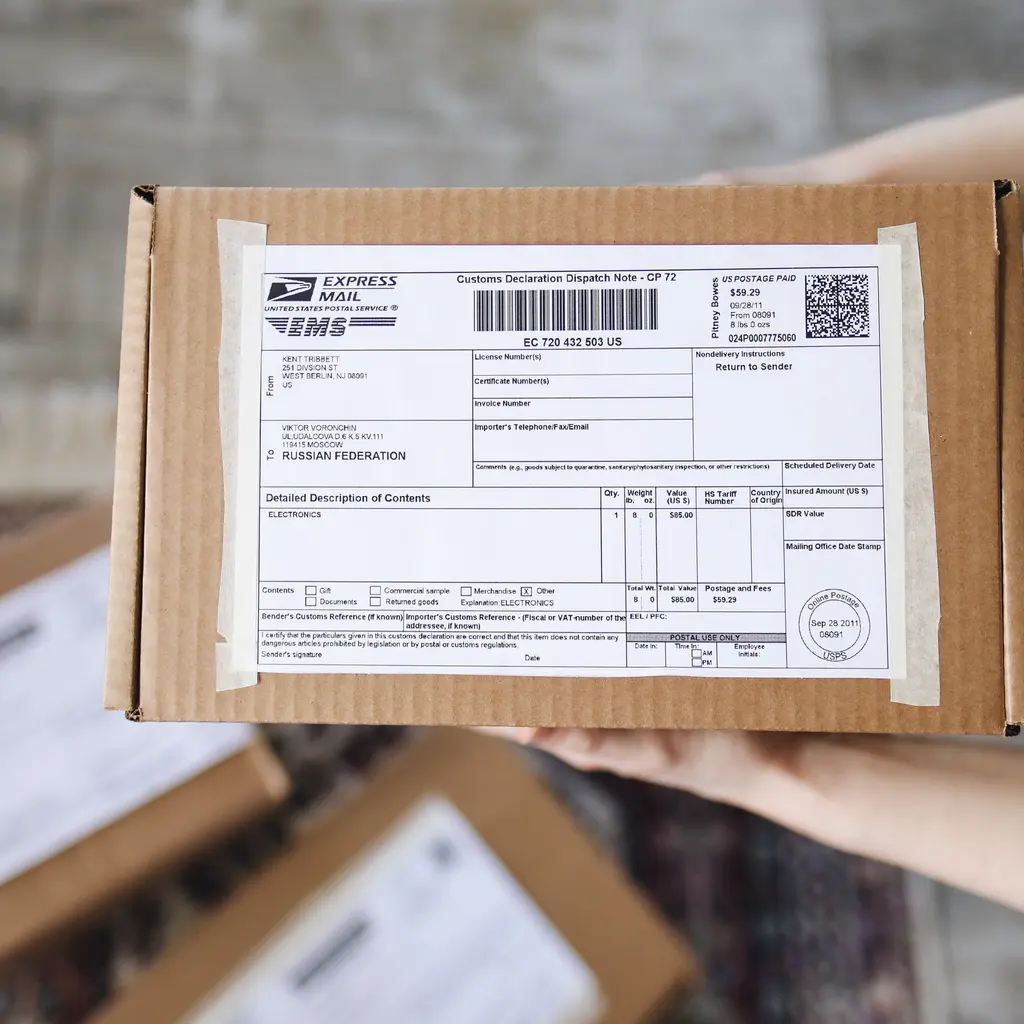
You arrange shipments between customers and carriers, managing the documentation and payments essential to the logistics chain. An error in processing or a data breach in your systems can disrupt cargo movement and lead to financial claims.
The Southern Agency can review your agency's coordination services, systems, and financial handling to help you select appropriate insurance. For example, we can assess professional liability for documentation errors while discussing cyber coverage for transmitted data.
A mis-booked shipment, wrong paperwork, or missed customs filing can cause delays, penalties, and client financial loss.
Choosing an unqualified or uninsured carrier that loses or damages freight can expose the forwarder to liability.
When the contracted carrier's cargo coverage is insufficient, the forwarder may face responsibility for the lost goods.
Forwarders store customer, shipment, and payment data, creating breach and liability exposure if systems are compromised.
Processing carrier payments and customer funds creates exposure to fraud, diversion, and employee theft.
Shippers and carriers often require specific coverages and limits, and gaps can jeopardize business relationships.
Reliance on booking and tracking systems means an outage or attack can halt operations and disrupt client shipments.
Policies to ask about. Which ones fit depends on your operations, your contracts, and the carrier’s forms.
These hypothetical examples are not agency claim results. Whether a loss is covered depends on the facts, policy terms, and applicable exclusions.
A customs filing mistake holds a client's goods at port and causes financial loss. Professional liability may respond to the error-and-omissions claim, depending on policy terms and the facts.
Suppose a road carrier loses freight and its own cargo protection is insufficient. Determine the agent's actual responsibility and why the carrier's policy did not pay before checking expressly purchased contingent road-cargo terms, insured goods, exclusions and limits. A shortfall alone is not a grant of payment; air or ocean arrangements need different cargo review.
Attackers access the forwarder's systems and expose shipper and payment data. A cyber policy may respond to breach response and liability, depending on the policy, endorsements, and facts.
Start with the work you do and the questions your current policies leave unanswered. Carrier options depend on your location, risk, and underwriting. Explore our approach.
You do not need to own a truck to face a customer claim for lost freight. Check the actual responsibility you accept, transport modes and available direct or contingent cargo terms. The linked motor-truck cargo form concerns eligible road shipments, not automatic protection for every forwarding arrangement or carrier shortfall.
Booking, paperwork and carrier selection can lead to client financial-loss allegations even when you never handle freight. Professional liability may help with covered accepted services and damages; customs duties and penalties need specific review and are not automatically reimbursed.
Forwarders store shipper, shipment, and payment data, so cyber coverage may help with breach response and liability if systems are compromised, depending on the specific policy.
Contingent cargo coverage may respond when the responsible carrier's coverage is insufficient. It depends on the policy, carrier vetting, and the facts of the loss, subject to underwriting.
Bring actual shipper and carrier agreements so their requested limits, cargo responsibilities, indemnities and notice terms can be compared with issued policies. A contractual requirement does not itself expand coverage or guarantee a matching offer.
Crime coverage may respond to employee theft and fraud tied to processing carrier payments and customer funds. Coverage depends on the policy, controls, and the facts of the claim.
Bring your questions, current policies, and relevant contracts. An agent can review coverage terms, exclusions, and the information carriers ask for, then explain the options available to you.