Skip to content

High-Speed Rail Operator Insurance

Your train-control network and ticketing platform can be connected systems with very different safety, data and interruption responsibilities. High-speed rail protection should identify those roles, alongside traction power and trainsets, rather than rely on a large liability limit to settle every technology or crew question.

The Southern Agency can review your operating agreements, asset interests and workforce arrangements against proposed rail insurance terms.

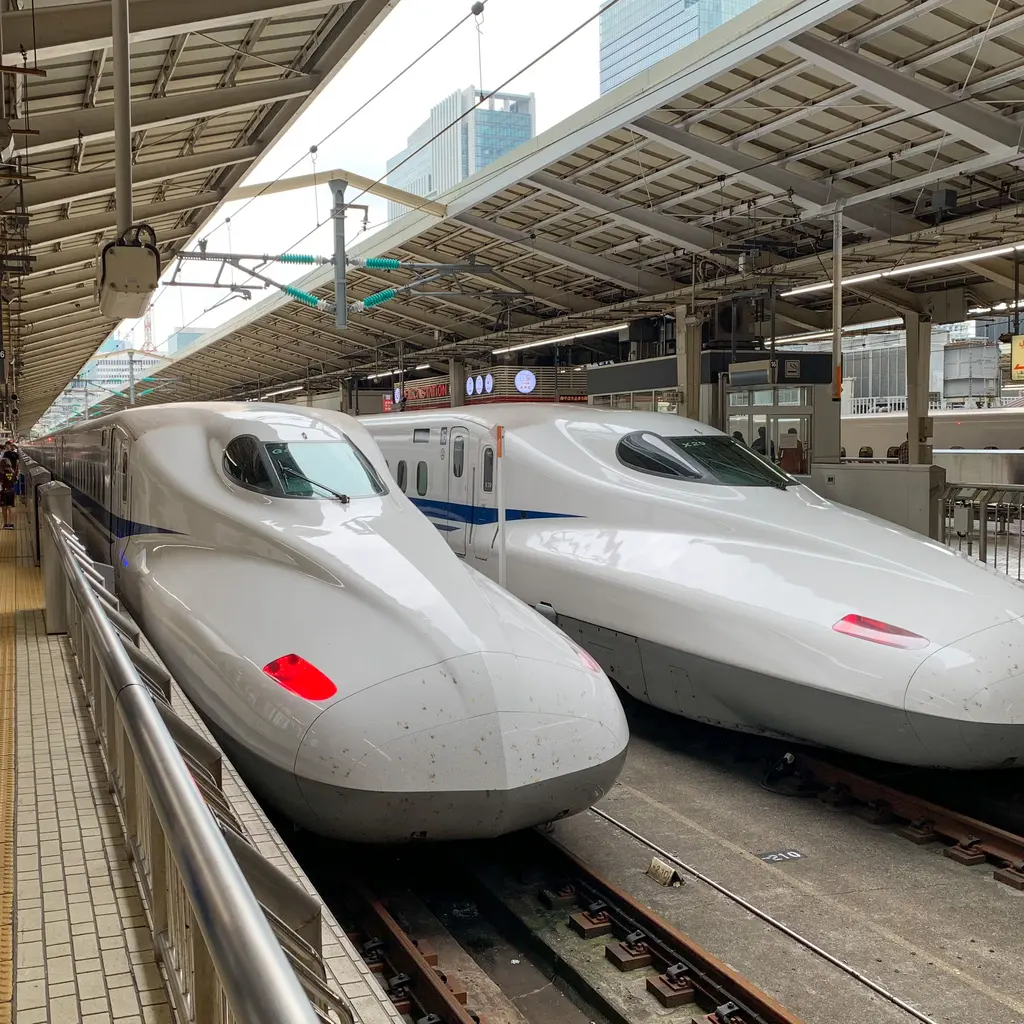
Two streamlined high-speed trains beside station platforms.

Industry overview

You provide high-speed passenger rail service, relying on advanced signaling and traction systems to maintain schedules. The speed of your trains and the concentration of your infrastructure mean that even minor system failures can interrupt service and lead to significant passenger-related claims.

The Southern Agency can review your routes, assets, staff duties and service agreements to help compare insurance. We can separate accepted rail-operating liability from trainset damage, power or control-system losses and workforce injury arrangements.

Risks worth discussing

Catastrophic high-speed collision

A collision, obstruction strike or derailment can injure many passengers and damage rolling stock or infrastructure. The actual incident, claimants and ownership interests matter; passenger claims and repairing the operator's assets are different losses.

Signaling and train-control failure

A fault in advanced control systems can compromise safe operation and force a service shutdown.

Electrified infrastructure damage

Catenary, substations and traction-power systems are costly to repair and vulnerable to weather, intrusion, and mechanical failure.

Cyber and control-system intrusion

Connected train-control and ticketing systems may be targeted, creating data exposure or operational disruption.

Platform and boarding injuries

High passenger throughput at stations creates crowding, boarding, and slip-and-fall exposures along the network.

FELA crew injury exposure

Some operating railroad employees may have injury claims under the Federal Employers Liability Act rather than standard workers' compensation; the applicable framework depends on the job and law.

Capital asset concentration

High-value trainsets and dedicated infrastructure mean a single major loss can carry an outsized financial impact.

Coverage worth discussing

Policies to ask about. Which ones fit depends on your operations, your contracts, and the carrier’s forms.

Situations to think through

These hypothetical examples are not agency claim results. Whether a loss is covered depends on the facts, policy terms, and applicable exclusions.

  1. Hypothetical: Obstruction strike at speed

    A train strikes an obstruction, injuring passengers and damaging a trainset. Accepted rail liability may help with covered defense and passenger damages, with excess only under its underlying and attachment terms. Repairing the train or infrastructure requires the applicable property interests and causes; several injuries do not establish separate unlimited limits.

  2. Hypothetical: Traction power system failure

    An internal electrical fault at a traction substation suspends service over part of the route. Breakdown may help repair accepted equipment if the cause qualifies. Purchased income or extra-expense terms need their own trigger, waiting period, restoration period and limits; repairing the substation does not establish every fare loss or replacement-service cost.

  3. Hypothetical: Control-system cyber intrusion

    Unauthorized access affects control and ticketing systems, prompting investigation and service disruption. Accepted cyber terms may help with covered response and privacy or security claims, subject to notice and response arrangements. Review operational interruption separately; an intrusion does not prove ticket data was disclosed or establish protection for physical damage and passenger injury.

Before you talk to an agent

What to have ready

Tick items as you gather them. Nothing here is saved or sent.

Questions to raise

  • Operating speeds, passenger volume, and route length shape the scale of a serious incident.
  • Compare trainset and electrified-infrastructure ownership, duties to insure and written valuation with the offered property or rolling-stock forms. Identify concentrated values by location and incident, not just a total capital figure.
  • Map signaling, traction power, control and ticketing dependencies, including outside operators. Compare physical causes, defined breakdown and cyber events with purchased income and extra-expense terms.
  • Establish employers, duties, railroad activities and work locations for the injury review. FELA applicability needs qualified assessment; do not allocate operating staff to FELA and all other staff to state compensation solely by title.
  • Use ridership, incident scenarios, loss history and actual agreement requests when reviewing limits and excess layers. Compare accepted rail services, insureds, defense and shared limits rather than assuming any particular amount or tower is available.

What the agent conversation looks like

Start with the work you do and the questions your current policies leave unanswered. Carrier options depend on your location, risk, and underwriting. Explore our approach.

  1. ListenReview your operations, current coverage, and past claims.
  2. AssessIdentify potential hazards and discuss ways to reduce risk.
  3. BuildDiscuss policy and carrier options, premium costs, and audits.
  4. SupportReview changes and help you plan ahead as your needs develop.

Questions owners ask

Why do high-speed operators need such large liability limits?

One collision can involve many passengers and several parties. Compare ridership, routes, credible loss scenarios and actual contract requests with available primary and excess terms. No single limit follows from the high-speed label, and excess must accept the underlying rail risks.

How does cyber risk differ for high-speed rail?

Train-control and ticketing rely on connected systems, so an intrusion could affect both data and operations. Cyber coverage may help address those exposures, depending on the specific policy.

Is the electrified infrastructure insurable against failure?

Property and equipment breakdown coverages may help with damage to catenary, substations, and control systems, depending on policy terms and the cause of loss.

How are operating crews covered?

Review the actual employer, railroad activities, duties and applicable law with qualified rail advisers. FELA liability and state workers compensation are different arrangements; an engineer, conductor, technician or station title does not alone decide which applies or who is insured.

Does coverage reflect the value of the trainsets?

Bring trainset values, ownership or lease duties, locations and existing rolling-stock terms. Compare accepted property, valuation, covered causes and limits with concentrated losses. A large station-building limit does not establish that moving trainsets or every infrastructure interest is insured.

What protects revenue if a systems fault stops service?

Purchased income or extra-expense benefits may help after a qualifying event. Compare covered equipment or provider, cause, waiting and restoration periods and limits; a system fault or repair payment alone does not establish lost-fare protection. Software, physical breakdown and cyber interruption can require different terms.

Talk through your high-speed rail operator coverage

Bring your questions, current policies, and relevant contracts. An agent can review coverage terms, exclusions, and the information carriers ask for, then explain the options available to you.

How can we help you get started?

Choose the quote that fits, and we’ll take it from there.

Have a question? Contact us