

Injuries during a journey
Moving between cars or using sleeping accommodation can lead to falls, baggage incidents, or accessibility claims.
Try a different word, or check the spelling.
If you serve drinks on board, the alcohol arrangement can require different terms from a meal or sleeping berth. Passenger-rail protection should accept the actual services, with rail-compatible limits, reservation systems, and employee injury obligations considered separately.
The Southern Agency can review the journey you provide, who performs each onboard service and how carrier, station and host-track duties are divided.
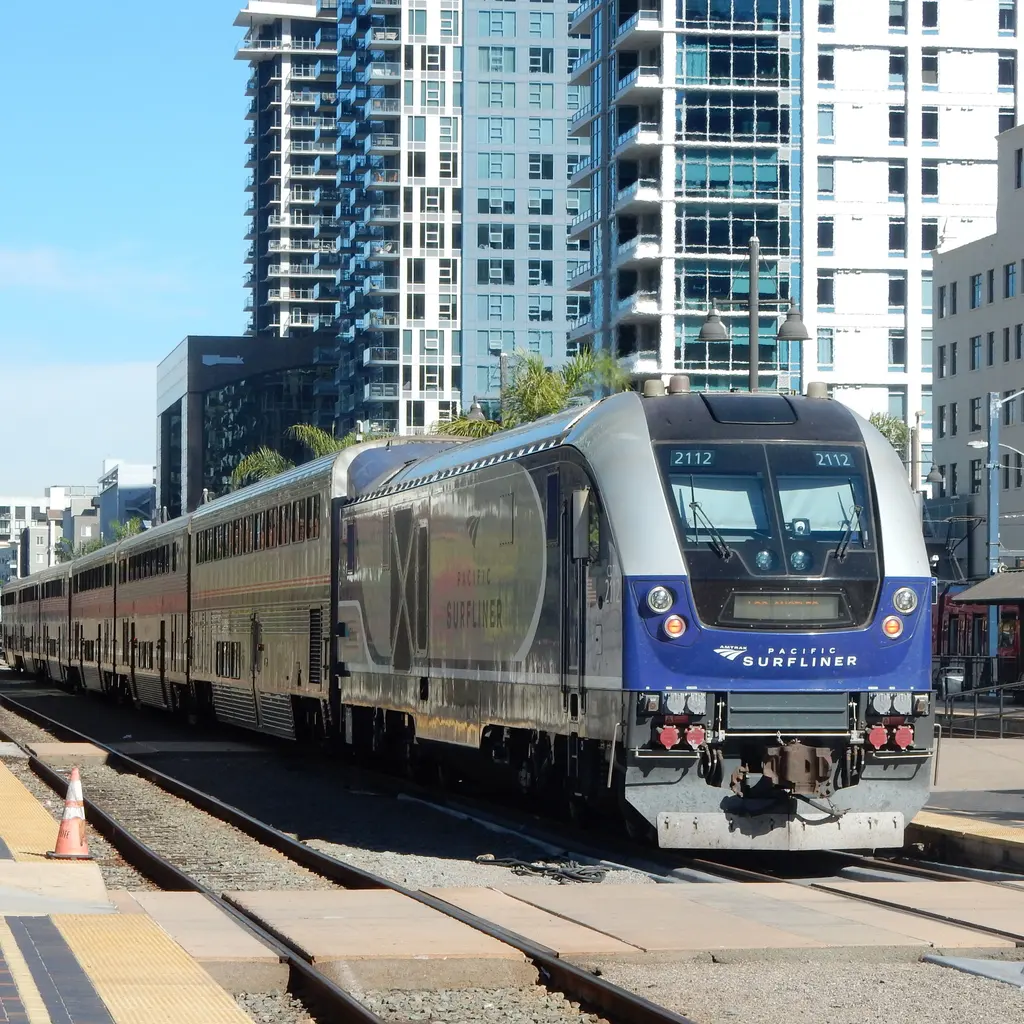
You carry passengers by rail and may also handle baggage, serve meals or provide sleeping accommodation. An injury moving between cars or during service involves different duties from a station-platform incident, while a derailment can affect many riders at once.
The Southern Agency can review your rail operations and onboard service offerings to help you select appropriate insurance. We can help you identify how passenger-injury liability applies to travel activities while separating property insurance for rolling stock from station facilities.
Moving between cars or using sleeping accommodation can lead to falls, baggage incidents, or accessibility claims.
A collision or derailment can produce several serious injury claims and damage rolling stock.
Dining cars introduce foodborne-illness allegations and possible liquor liability where alcohol is supplied.
Rail employee injury duties require specialist review, while reservation systems hold passenger and payment information.
Policies to ask about. Which ones fit depends on your operations, your contracts, and the carrier’s forms.
These hypothetical examples are not agency claim results. Whether a loss is covered depends on the facts, policy terms, and applicable exclusions.
Suppose a rider falls moving between cars and alleges unsafe conditions. Suitable passenger operating liability may help with a covered claim when it accepts the movement/service and responsible entity. A station-premises policy alone does not establish onboard protection or liability.
Suppose unauthorized access to a reservation platform exposes traveler payment records. Cyber may address qualifying response/privacy claims under actual system/vendor, reporting and consent terms. Outsourced ticketing, operational downtime and ordinary ticket refunds involve different responsibilities.
Suppose a claimant alleges an onboard alcohol service contributed to injury. Review who supplied/served drinks, where the service occurred and expressly accepted liquor/rail terms. An ordinary host-liquor provision, service license or catering agreement does not itself establish the claimed event insured.
Start with the work you do and the questions your current policies leave unanswered. Carrier options depend on your location, risk, and underwriting. Explore our approach.
Consider movement between cars, baggage, sleeping facilities, dining, and accessibility alongside boarding and collision risks.
Review who supplies and serves alcohol, where it is served and the relevant liability terms.
Cyber protection can address covered data incidents, but security controls and ticket-vendor responsibilities remain operational duties.
A single incident can injure many riders. Review severity, retained risk, and contract limits without assuming one universal amount.
Determine legal employer and applicable injury regime. FELA cannot be confined to operating crews solely by title.
Only when the liability terms accept the food service and relevant allegations; food, professional or other exclusions can affect response.
Bring your questions, current policies, and relevant contracts. An agent can review coverage terms, exclusions, and the information carriers ask for, then explain the options available to you.