

Derailment with catastrophic loss
A derailment can damage track, equipment, and surrounding property and, near communities or waterways, escalate into a large multi-party claim.
Try a different word, or check the spelling.
Your train may move across track governed by interchange or trackage-rights agreements before the freight reaches its destination. Rail protection should fit those operating duties and cargo, with track ownership, pollution and crew injury frameworks distinguished from an ordinary road-haul policy.
The Southern Agency can compare your commodities, track and interchange duties, insured rail assets and employee arrangements with the proposed terms.
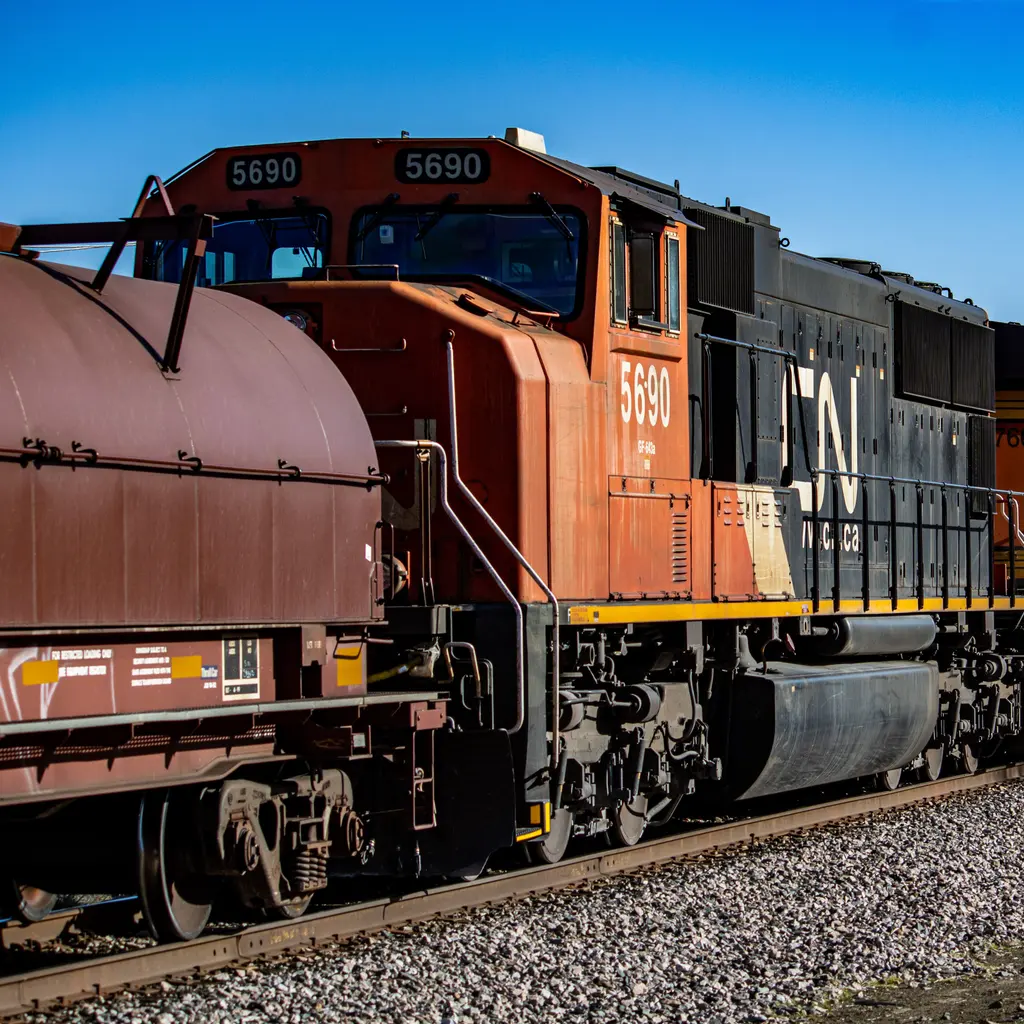
You operate freight trains, moving various goods across your tracks. A derailment or cargo release can cause extensive property damage and require significant cleanup, presenting severe risks to your equipment and the surrounding communities.
The Southern Agency can review your rail assets, track maintenance, and hazardous cargo handling to help you select appropriate insurance. For example, we can assess environmental liability for potential spills while evaluating property coverage for your rolling stock.
A derailment can damage track, equipment, and surrounding property and, near communities or waterways, escalate into a large multi-party claim.
Tank cars carrying chemicals or fuels can rupture in an incident, triggering environmental cleanup, evacuation, and pollution liability.
Bulk and intermodal freight can shift, spoil, or be damaged in transit or handling, creating loss and damage claims from shippers.
Train crews and some other railroad employees may have injury claims under FELA rather than standard workers' compensation; the applicable framework depends on the role and law.
Fire, flood, washouts, and mechanical failure can disable locomotives, bridges, and track, halting freight movement and revenue.
Trackage-rights and interchange agreements impose indemnity and insurance obligations that can expose the operator if not properly covered.
Policies to ask about. Which ones fit depends on your operations, your contracts, and the carrier’s forms.
These hypothetical examples are not agency claim results. Whether a loss is covered depends on the facts, policy terms, and applicable exclusions.
Suppose cars derail and a tank car releases product near a creek. Accepted rail/transport pollution may help with qualifying cleanup and third-party claims, subject to reporting and consent. Repairing cars/track, replacing cargo and every evacuation, fine or contractual demand require separate terms.
Suppose an intermodal load shifts and damages a shipper's freight. Suitable rail-cargo terms may address accepted goods, custody stages and cause at the written settlement basis. Container ownership, shipper valuation demands and late-delivery charges are different interests.
Suppose flooding washes out a bridge and stops the line. The bridge interest and flood cause must be expressly insured; ordinary property is not automatic flood protection. Purchased qualifying income/extra expense has its own limits and restoration period, separate from shipper delay claims.
Start with the work you do and the questions your current policies leave unanswered. Carrier options depend on your location, risk, and underwriting. Explore our approach.
Hazardous cargo can release in a derailment, triggering cleanup and pollution liability that ordinary policies may exclude. Environmental coverage may help address those exposures, subject to policy terms.
Review suitable rail-cargo or carrier-liability terms for the actual commodities, rail/intermodal custody stages and limits. Compare written settlement with shipper demands and any loading, spoilage or theft exclusions. Container damage, cargo replacement and delay penalties are not automatically one covered interest.
Identify each legal employer, work and applicable injury law. FELA and state compensation cannot be allocated solely by operating, mechanical or clerical title; ordinary workers' compensation does not itself satisfy railroad-employer obligations. Have uncertain roles reviewed before assuming a particular form applies.
Trackage-rights and interchange contracts often impose indemnity and minimum insurance terms.
Because a hazmat derailment can be catastrophic, higher excess limits are commonly considered. The appropriate amount depends on routes, commodities, and contract requirements.
Commercial property and equipment breakdown coverages may help with damage to locomotives, structures, and systems, depending on the specific policy and the cause of loss.
Bring your questions, current policies, and relevant contracts. An agent can review coverage terms, exclusions, and the information carriers ask for, then explain the options available to you.