

Many crossing locations
Road crossings and rights-of-way create public injury exposure across different communities.
Try a different word, or check the spelling.
One route can carry passenger duties while another adds freight custody under trackage or interchange agreements. Your regional rail protection needs each actual activity and location, with bridges, leased interests, commodities and employee injury obligations distinguished from a single network-wide policy label.
Talk with The Southern Agency about your operation, policy terms, and the information carriers need.
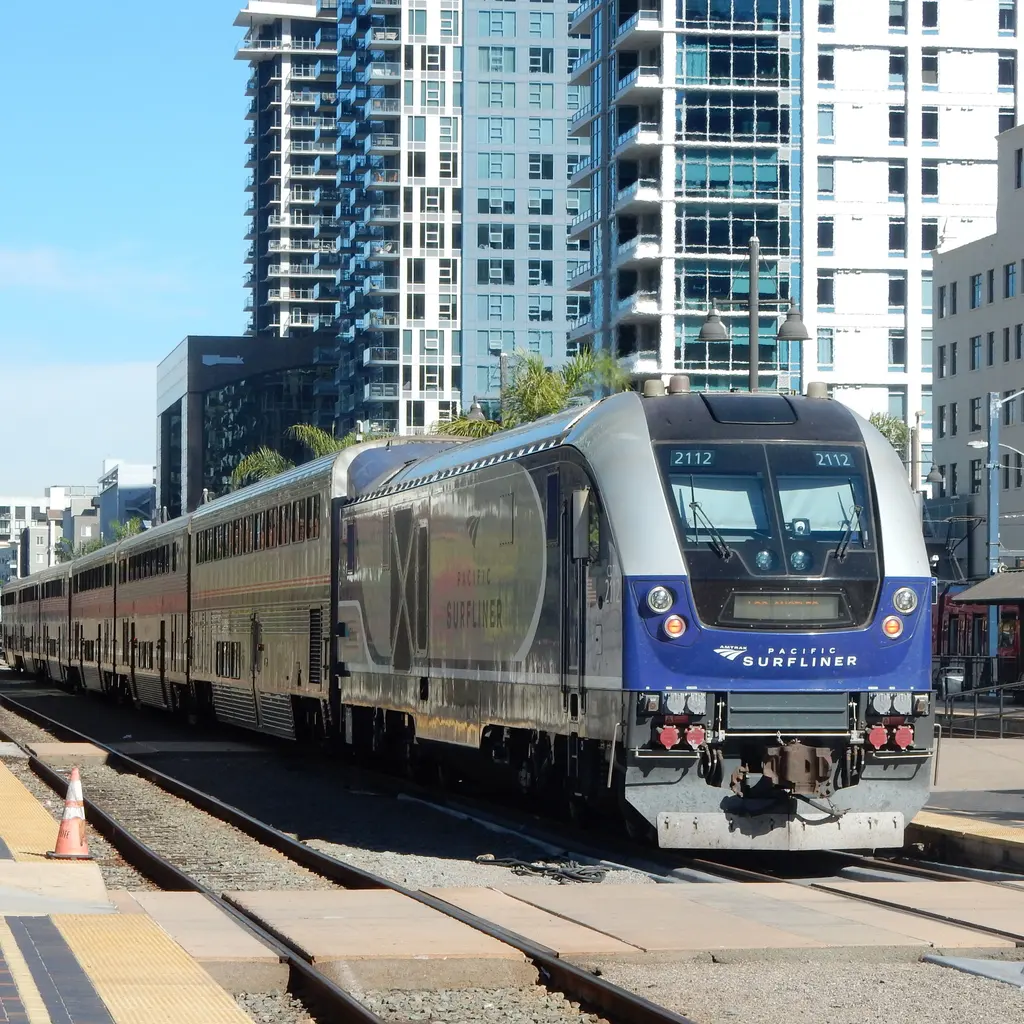
You connect communities across multiple routes, managing both passenger and freight services. An accident at a crossing can lead to liability, while physical damage to a bridge can cause significant network delays.
The Southern Agency can review your rail assets and operating agreements to help you choose insurance for your network. For example, we can compare options for coverage that includes rolling stock and rail-specific liability, as distinct from ordinary general liability.
Road crossings and rights-of-way create public injury exposure across different communities.
Passengers add boarding and onboard duties; freight introduces custody and possibly hazardous-material risks.
Track, bridges, and stations face different weather and flood conditions. One insured location schedule may not capture the whole network.
Trackage rights and interchange agreements divide responsibilities; employee injury status requires a separate legal assessment.
Policies to ask about. Which ones fit depends on your operations, your contracts, and the carrier’s forms.
These hypothetical examples are not agency claim results. Whether a loss is covered depends on the facts, policy terms, and applicable exclusions.
A motorist and train collide. Rail liability and excess protection depend on the insured activity and fault.
Track is damaged and service stops. Flood or washout provisions and income triggers determine recovery.
A rider falls while boarding. Station ownership, operating duties, and passenger liability govern the claim.
Start with the work you do and the questions your current policies leave unanswered. Carrier options depend on your location, risk, and underwriting. Explore our approach.
Each route adds crossings, assets, and operating agreements. Review exposure by corridor rather than scaling limits from route miles alone.
They can set requested terms and responsibilities. The policy must independently accept those obligations.
Disclose both. Cargo, passenger and hazardous-material exposures need suitable terms rather than a generic rail label.
Determine the legal employer and applicable regime across the actual work; territory and job title alone do not resolve FELA questions.
Only for covered causes and scheduled interests. Flood and track washout can have separate exclusions or limits.
Consider data, payment access, and shared-system dependencies, with covered breach and interruption terms suited to the network.
Bring your questions, current policies, and relevant contracts. An agent can review coverage terms, exclusions, and the information carriers ask for, then explain the options available to you.