

Platform and boarding injuries at peak
Crowded platforms during rush hour raise the risk of falls, gap injuries, and crush incidents as large numbers of riders board and exit quickly.
Try a different word, or check the spelling.
Your train crew, station staff and maintenance team may fall under different work-injury arrangements. Rail protection needs those actual jobs and legal frameworks, alongside passenger and corridor duties, with fare-system losses and board funding decisions distinguished from ordinary employee or property claims.
The Southern Agency can review your peak passenger operations, station and signal interests, and the actual employers responsible for rail work.
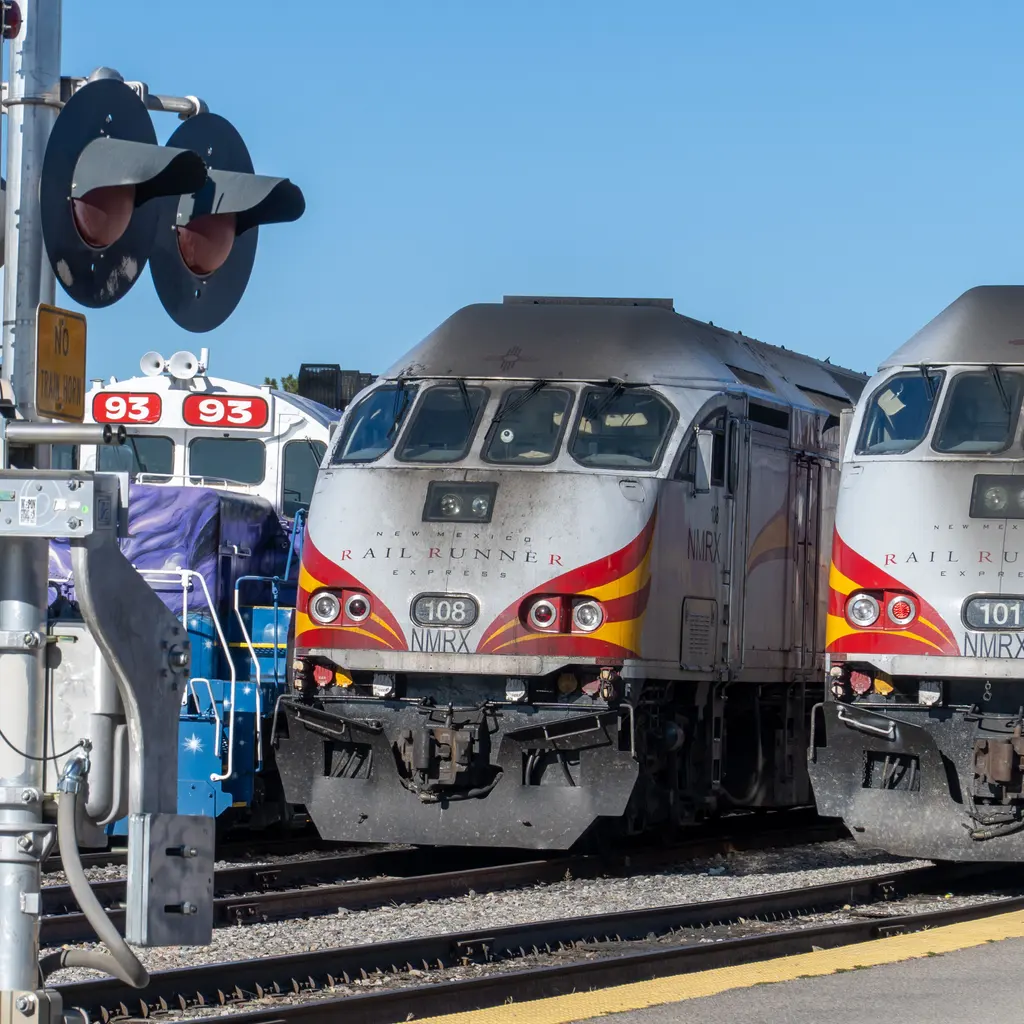
You operate commuter rail lines for high volumes of passengers traveling between suburbs and city centers. Busy platforms and frequent schedule requirements mean that infrastructure interruptions and passenger injuries are significant business concerns.
The Southern Agency can review your station management, rail operations, and administrative structure to help you select appropriate insurance. For example, we can help identify liability needs for crowded platform areas alongside property coverage for critical signals.
Crowded platforms during rush hour raise the risk of falls, gap injuries, and crush incidents as large numbers of riders board and exit quickly.
At-grade crossings and right-of-way access expose the line to severe collision and pedestrian-strike claims along the corridor.
Some railroad employees may have injury claims under the Federal Employers Liability Act rather than standard workers' compensation; the applicable framework depends on the job and law.
Fire, storm, or vandalism affecting stations, platforms, overhead wiring, and signaling can halt service and require costly repair.
A locomotive, signal, or switch failure during peak hours can disrupt the entire schedule and the riders depending on it.
Cash fares, vending machines, and farecard systems create theft and employee-dishonesty exposure across many station locations.
Mobile ticketing and stored payment information expose the line to breach and privacy liability if systems are compromised.
Policies to ask about. Which ones fit depends on your operations, your contracts, and the carrier’s forms.
These hypothetical examples are not agency claim results. Whether a loss is covered depends on the facts, policy terms, and applicable exclusions.
Suppose a rider falls in the boarding gap during the peak commute and brings an injury claim. Suitable rail/passenger liability may help with covered defense and damages if it accepts the operation and duty. Neither a generic GL title nor the injury establishes payment; medical-payments terms, if present, are separate.
Suppose a signal failure stops the morning corridor service. Breakdown may help with expressly accepted equipment and a qualifying cause; selected income/extra expense has its own restoration and waiting terms. Routine maintenance, lost fares and promised customer credits are different costs.
Suppose unauthorized access to the mobile-ticket platform exposes rider payment records. Cyber may help with qualifying response and privacy liability under its actual systems/vendor, reporting and consent terms. Outsourcing ticketing does not itself transfer all rider-data duties or make every platform outage insured.
Start with the work you do and the questions your current policies leave unanswered. Carrier options depend on your location, risk, and underwriting. Explore our approach.
Review train movement, platforms, crossings, track/rolling-stock interests and host-railroad duties rather than applying road-fleet terms. Appropriate rail/passenger liability must expressly accept the operation. Employee FELA or other injury obligations also need review by employer and applicable law, not just a crew label.
Do not assign injury coverage by job title alone. Identify the employer, work and applicable law to determine FELA or state compensation duties; station, maintenance and office work do not automatically fall outside railroad employee liability. Ordinary workers' compensation is not a substitute for the required rail-employer terms.
Review expressly accepted rail-operating/crossing liability and compatible excess, including who controls the crossing and the incident allegations. Ordinary GL and umbrella labels do not establish that train movement is insured. Track repair, passenger/public claims and employee injury are separate interests.
If you use mobile ticketing or store rider payment data, cyber coverage may help with breach response and liability if systems are compromised, depending on the specific policy.
Directors and officers coverage is often relevant where a board makes governance and funding decisions, helping address related claims subject to policy terms and exclusions.
Equipment breakdown and related coverages may help with repair and certain resulting losses when signaling or rolling stock fails, depending on the specific policy and endorsements.
Bring your questions, current policies, and relevant contracts. An agent can review coverage terms, exclusions, and the information carriers ask for, then explain the options available to you.