

Fire and burn hazards from steam equipment
Operating steam locomotives involves fireboxes, hot surfaces, and sparks that create burn and fire exposure to equipment, structures, and the public.
Try a different word, or check the spelling.
The person restoring a vintage coach may be a volunteer rather than a paid employee, and the coach may be difficult to value or replace. Your heritage operation needs those roles and assets identified, with excursions, themed events, and any alcohol service considered separately.
The Southern Agency can help you coordinate coverage for both your vintage collection and your public-facing visitor operations.
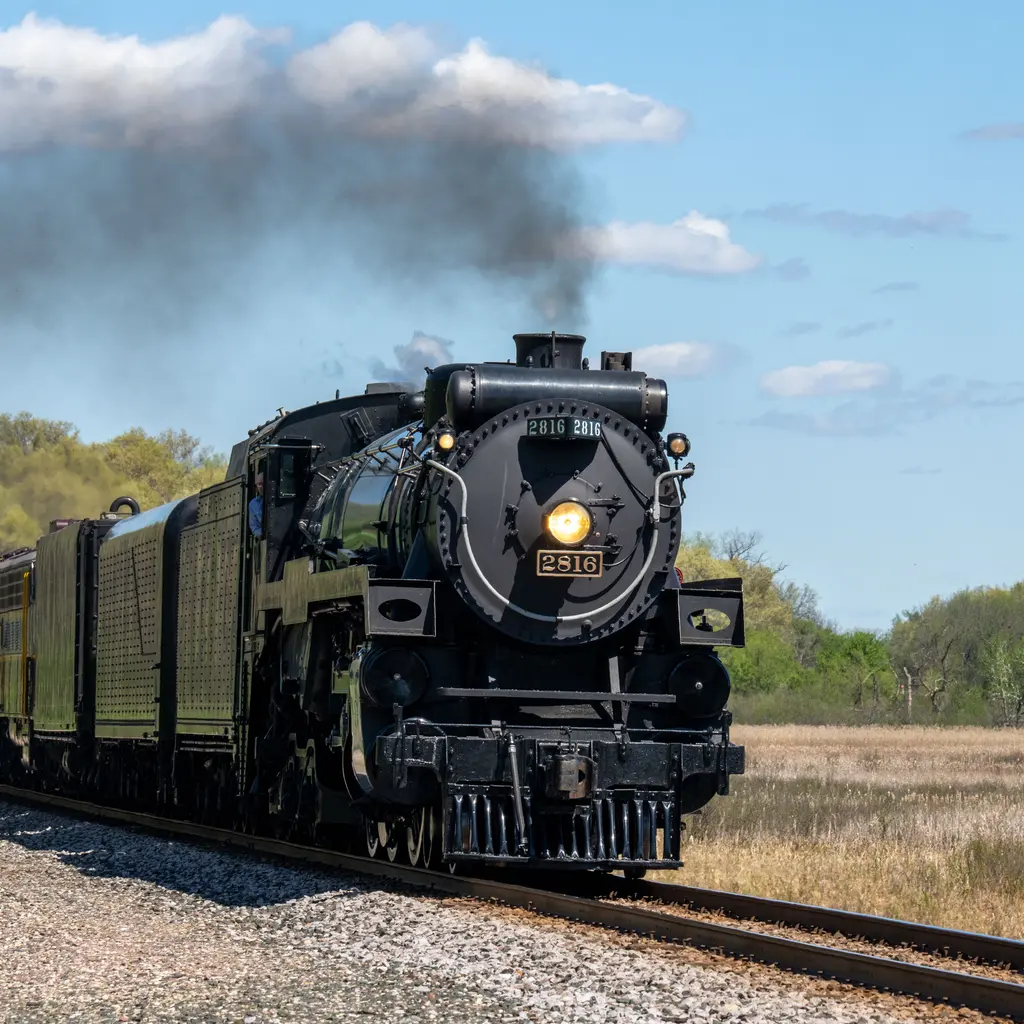
You operate a historic railway where staff and volunteers restore vintage trains and welcome guests for excursions, though visitors might fall on old platforms or encounter steam-related hazards. These activities present ongoing risks to your collection, facilities, and the public.
The Southern Agency can review your specific combination of restoration work, public tours, and themed excursions to help select coverage, such as general liability for platform incidents or equipment breakdown for your vintage machinery.
Operating steam locomotives involves fireboxes, hot surfaces, and sparks that create burn and fire exposure to equipment, structures, and the public.
Families boarding vintage coaches and walking historic platforms face slip, fall, and boarding injury risks during rides and tours.
Restored locomotives, antique coaches, and artifacts are often unique, making fire, derailment, or storm damage difficult to value and replace.
Heritage operations rely on volunteers for restoration and operations, raising questions about how injuries to non-employees are addressed.
Seasonal events, themed rides, and festivals draw crowds and add liability around food, attractions, and large gatherings.
Boards overseeing a heritage nonprofit face decisions on funding and management that can lead to directors and officers claims.
Policies to ask about. Which ones fit depends on your operations, your contracts, and the carrier’s forms.
These hypothetical examples are not agency claim results. Whether a loss is covered depends on the facts, policy terms, and applicable exclusions.
Suppose a visitor touches a hot surface during an accepted depot demonstration and alleges injury. Premises liability may help with covered defense and damages if steam activity and the actual operator are insured. Medical payments have their own conditions; a train-ride or boarding injury needs separate rail passenger terms, not an assumption that depot GL follows the coach.
A fire damages an antique coach in the shop. Specialized property and inland marine coverage may help with restoration costs, subject to agreed valuation and the specific policy terms.
A volunteer is hurt while working on equipment. How the claim is handled depends on the coverage structure for volunteers versus employees and the specific policy and endorsements.
Start with the work you do and the questions your current policies leave unanswered. Carrier options depend on your location, risk, and underwriting. Explore our approach.
Specialized property and inland marine coverage can use agreed valuation for unique equipment that has no simple market price. Coverage terms depend on appraisal and underwriting.
Do not assume a volunteer has the same work-injury benefits as a paid employee or that no rule can ever apply. Bring actual duties and status for applicable state review and compare any separate volunteer accident or liability terms; a worker's compensation label does not decide it alone.
Steam introduces fire and burn exposures that underwriters weigh closely. Coverage availability and terms depend on your maintenance and safety practices, subject to underwriting.
Describe whether alcohol is sold or served, by whom and at which stops or rides. Compare actual liquor liability and event terms for qualifying intoxication-related claims; the presence of a licensed outside vendor does not automatically protect the railway.
Directors and officers coverage is often relevant where a board makes funding and governance decisions, helping address related claims subject to policy terms and exclusions.
Crowds, attractions, and food at events add exposure that may need to be reviewed or scheduled. Coverage depends on the specific policy, endorsements, and the nature of each event.
Bring your questions, current policies, and relevant contracts. An agent can review coverage terms, exclusions, and the information carriers ask for, then explain the options available to you.