

Local track and crossings
Track defects or a crossing incident can cause third-party injury and property damage, even on a compact line.
Try a different word, or check the spelling.
A short line can depend on one bridge, engine, or major shipper without each interruption having the same cause. Your rail protection should fit track and interchange duties, with lost demand, cargo custody and actual fuel or chemical loads considered separately from a repair claim.
Talk with The Southern Agency about your operation, policy terms, and the information carriers need.
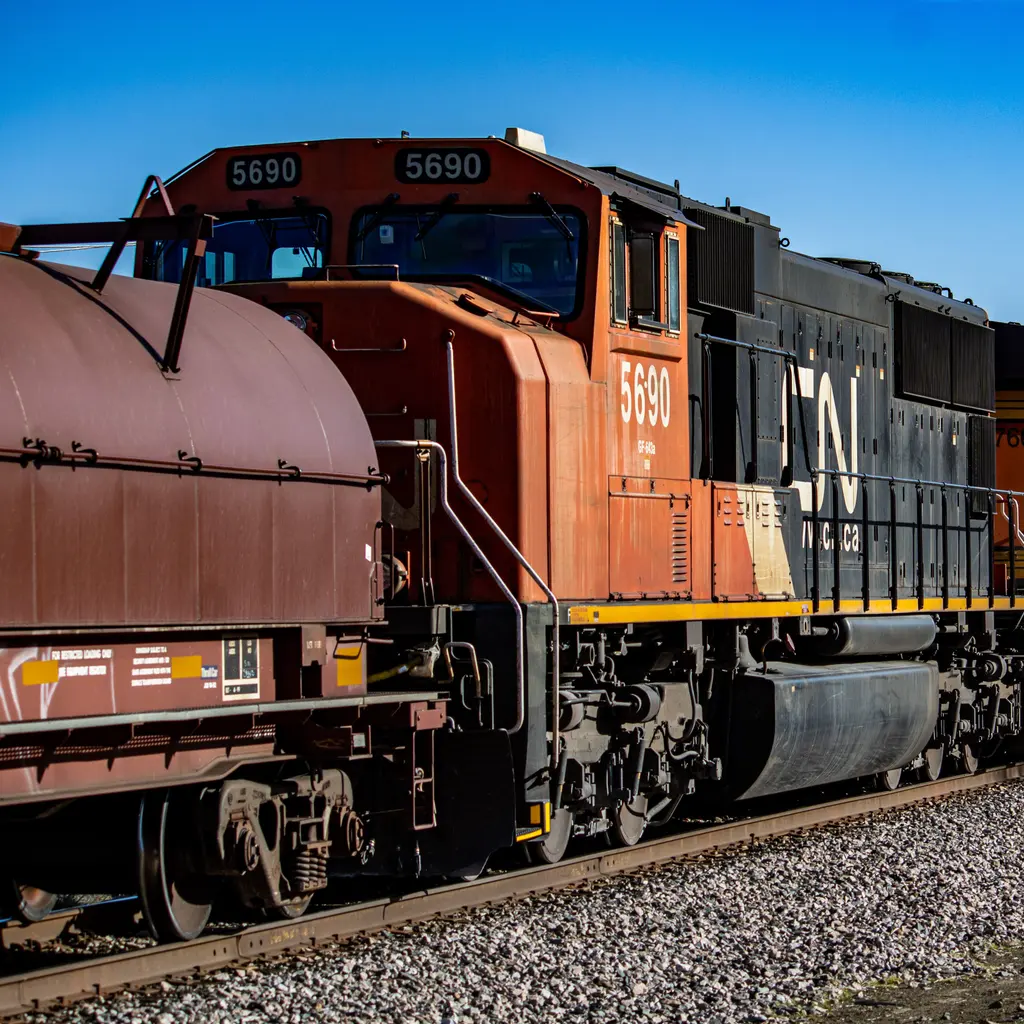
You link local shippers to larger rail networks, relying on tracks, sidings, and freight cars. A derailment or infrastructure failure can cause damage to goods, equipment, and third-party property.
The Southern Agency can help you review your infrastructure and interchange responsibilities to select appropriate insurance. For example, we can discuss coverage for your specific commodities and track assets, as ordinary commercial property or liability forms may not suffice.
Track defects or a crossing incident can cause third-party injury and property damage, even on a compact line.
Fuel or chemical cars can create substantial cleanup exposure after a derailment.
Spotting and first- or last-mile movements can damage handled property and customer facilities.
One disabled bridge, engine, or major shipper can disrupt a substantial share of service. Lost demand is not automatically an insured income loss.
Policies to ask about. Which ones fit depends on your operations, your contracts, and the carrier’s forms.
These hypothetical examples are not agency claim results. Whether a loss is covered depends on the facts, policy terms, and applicable exclusions.
A release follows a derailment. Rail liability, pollution terms, and cleanup responsibilities determine protection.
A spotting movement damages track. Fault, the siding agreement, and custody exclusions affect the claim.
A road vehicle and train collide. Accepted rail operating liability and excess limits govern covered allegations.
Start with the work you do and the questions your current policies leave unanswered. Carrier options depend on your location, risk, and underwriting. Explore our approach.
They define exchange responsibilities and can request substantial limits. Policy acceptance must be checked separately.
Condition and maintenance affect the exposure. A policy does not fund ordinary rehabilitation or remove maintenance obligations.
Review the actual commodities and release scenarios, including cleanup duties and exclusions.
Determine legal employer and work status. FELA and state compensation cannot be divided by headcount or job title alone.
Only suitable rail cargo and custody terms should be relied on, with ownership interests, and values identified.
It can increase the effect of a disruption. Dependent-property income needs specific terms; reduced demand or customer closure is not automatically covered.
Bring your questions, current policies, and relevant contracts. An agent can review coverage terms, exclusions, and the information carriers ask for, then explain the options available to you.