

Temperature excursions
Breakdown, power loss, and control errors can have different triggers. Ordinary deterioration or product rejection without insured damage may be excluded.
Try a different word, or check the spelling.
If a refrigeration system stops overnight, the stock can be worth far more than the failed compressor. Review spoilage protection and utility outages as well as equipment repairs.
Call with peak stock values by room, temperature requirements, and your customer storage agreements.
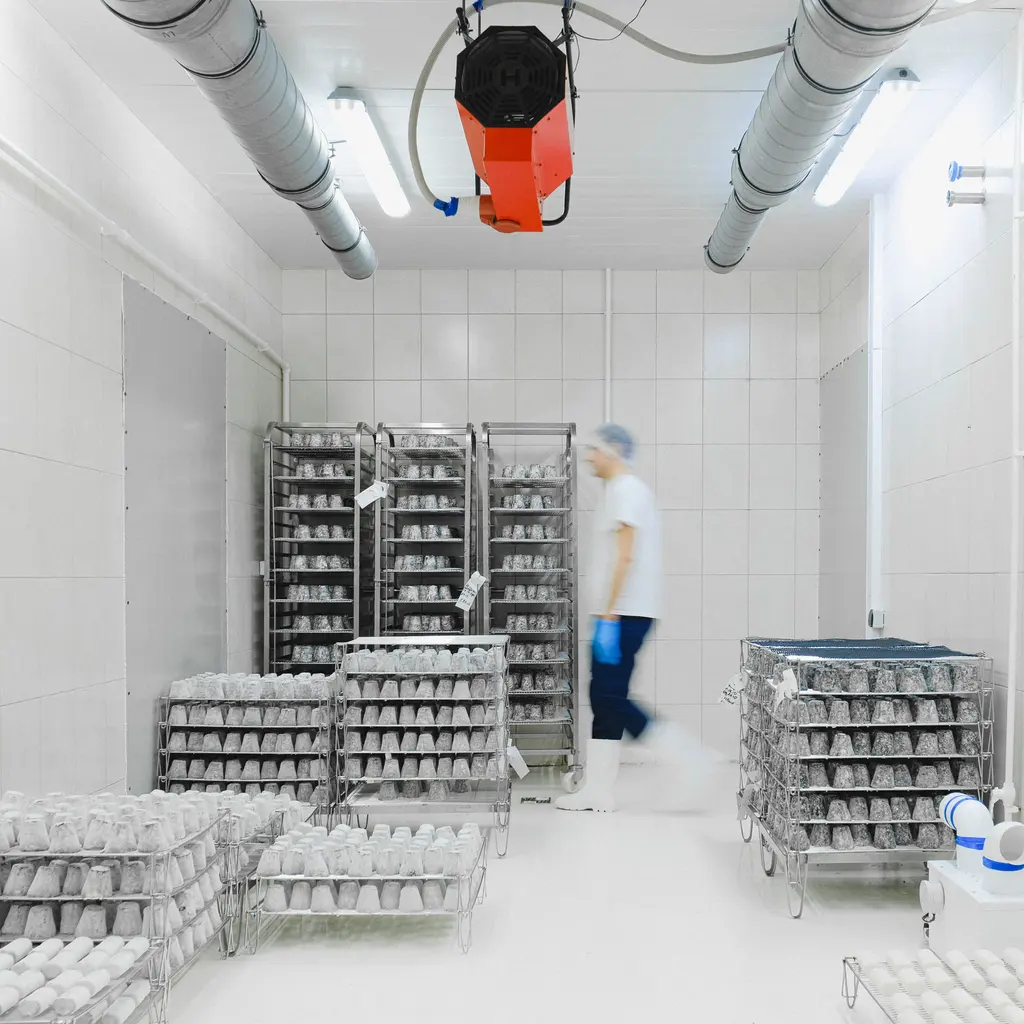
You receive, store and release temperature-sensitive goods while keeping each room within the required range. A refrigeration failure or prolonged power outage can damage stock across several customers' accounts and interrupt the facility's income.
The Southern Agency can review the goods you store, peak values, and your responsibilities under storage agreements. We can help you compare refrigeration breakdown, spoilage and utility-interruption terms, keeping protection for your own stock separate from liability for customers' goods.
Breakdown, power loss, and control errors can have different triggers. Ordinary deterioration or product rejection without insured damage may be excluded.
A customer may demand the value of an entire affected lot after a temperature excursion. Your responsibility depends on the storage agreement and facts; warehouse legal liability and direct coverage for spoiled goods have different triggers.
The actual refrigerant determines release risks; do not assume every site uses ammonia. Cold floors, machinery, and lifting also threaten staff and visitors.
Policies to ask about. Which ones fit depends on your operations, your contracts, and the carrier’s forms.
These hypothetical examples are not agency claim results. Whether a loss is covered depends on the facts, policy terms, and applicable exclusions.
An insured compressor failure warms stored product. Breakdown may address repairs, while spoilage needs included terms, product values, and acceptable evidence of loss.
A system leak requires emergency response. Applicable environmental cover may address eligible release costs; a closure without insured damage needs separate interruption analysis.
An off-site power failure lasts longer than the backup system can maintain temperature, damaging stored food. Spoilage protection needs to include utility interruption and the goods involved. Check waiting periods and sublimits rather than assuming compressor-breakdown coverage handles an outside power failure.
Start with the work you do and the questions your current policies leave unanswered. Carrier options depend on your location, risk, and underwriting. Explore our approach.
No. Equipment repair and spoiled stock are separate benefits. Check that spoilage is included for the goods and cause involved, with enough limit for the affected rooms. Temperature records and evidence of product damage can matter; rejection alone may not establish an insured loss.
Not necessarily. An external utility failure may need an extension even when the refrigeration machinery is insured. Check covered utility services, waiting periods, limits and any restrictions on overhead lines. Include the time your backup system can maintain the required temperature.
Start with the storage agreement and who owns the goods. Warehouse legal liability generally requires legal responsibility for the loss; direct coverage for customer goods uses its own insured-loss terms. Discuss product types, temperature ranges, and peak values, including losses that could affect several rooms at once.
No. Describe the actual substance, system, and quantities rather than assuming one refrigerant.
Bring your questions, current policies, and relevant contracts. An agent can review coverage terms, exclusions, and the information carriers ask for, then explain the options available to you.