

Inventory accumulation
Fire or water can affect several customers' or owners' goods in one event. Peak values and legal interests must be separated.
Try a different word, or check the spelling.
Your busiest stock level can include goods with several owners while orders depend on the same handling system. Insurance should reflect those peak interests and distinguish equipment failure from an order-system incident, rather than treat every delayed shipment as physical loss.
Talk with The Southern Agency about your operation, policy terms, and the information carriers need.
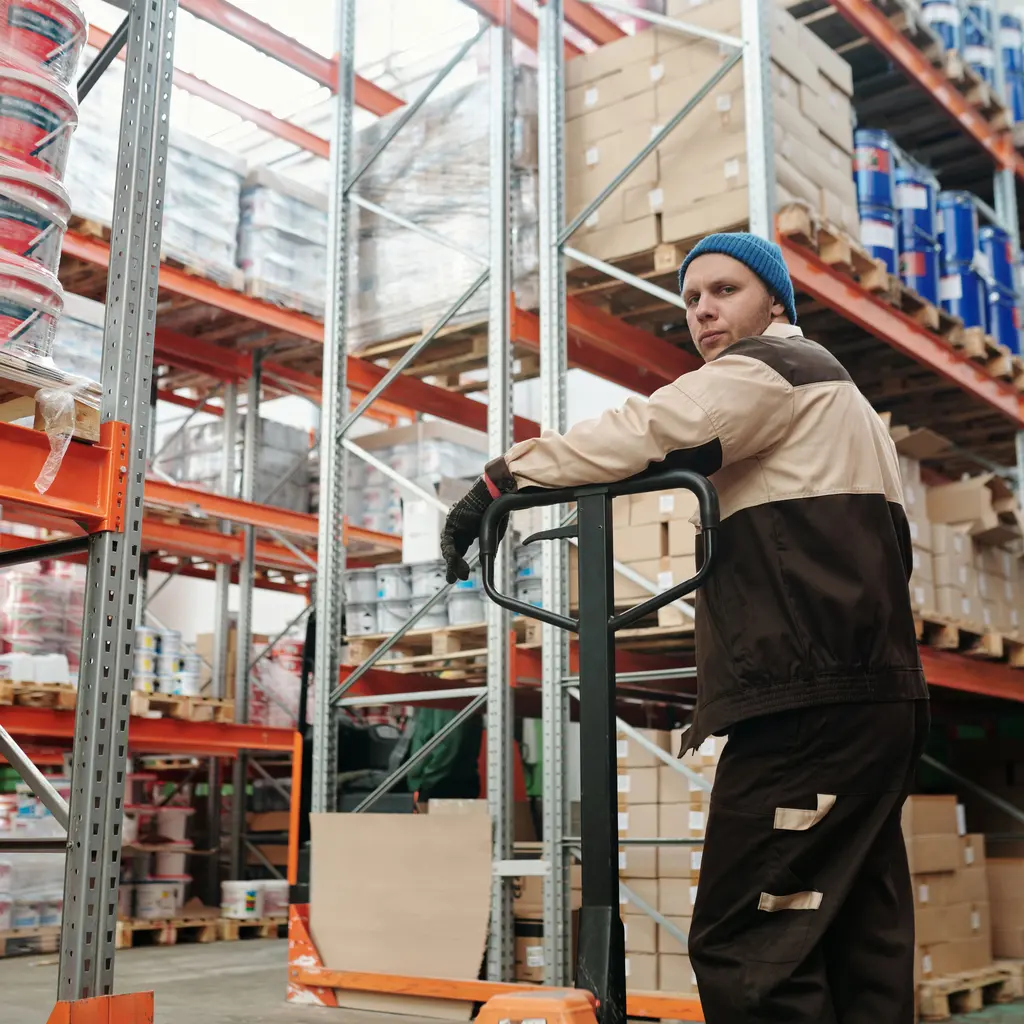
You receive bulk stock, sort orders and ship goods to stores or other facilities. A fire or handling-system failure can stop outbound orders and affect several customers at once, whether you use automated conveyors or manual handling.
The Southern Agency can review stock ownership, handling systems and delivery responsibilities to help you select insurance. We can compare your building and equipment protection with customer-goods liability, fleet and warehouse-management-system needs.
Fire or water can affect several customers' or owners' goods in one event. Peak values and legal interests must be separated.
Conveyor or control failures can stop shipping. Physical breakdown, software incidents, and poor operational performance have different triggers.
Delivery vehicles, order systems and dock activity raise separate liability, cyber, and employee-injury questions.
Policies to ask about. Which ones fit depends on your operations, your contracts, and the carrier’s forms.
These hypothetical examples are not agency claim results. Whether a loss is covered depends on the facts, policy terms, and applicable exclusions.
An insured conveyor failure stops outbound flow. Breakdown may address repairs and included interruption; customer delivery penalties are not automatically payable.
A fire damages racked goods. Owned-property cover and customer-goods legal/direct cover may respond under different triggers and limits.
An owned truck injures another road user. Business auto may address covered liability; damaged freight inside requires suitable cargo cover, not just vehicle physical damage.
Start with the work you do and the questions your current policies leave unanswered. Carrier options depend on your location, risk, and underwriting. Explore our approach.
No. Describe actual handling and equipment rather than assuming a large automated fleet.
No. Identify ownership and whether direct goods or legal-liability protection is intended.
Not by itself. Cargo and transit interests require appropriate separate terms.
A warehouse management system can stop working without machinery damage. Software errors, cyber incidents and a physical control-system failure need different reviews. Check the cause and purchased interruption terms rather than assuming equipment breakdown covers every stopped order.
Bring your questions, current policies, and relevant contracts. An agent can review coverage terms, exclusions, and the information carriers ask for, then explain the options available to you.