

Dust and machinery
Airborne grain dust can ignite under hazardous conditions. Dryers, augers, and conveyors also create equipment and worker-injury risks.
Try a different word, or check the spelling.
The grain in your bin can belong to a producer who expects a particular grade as well as a safe return. Start with that ownership and value, then check how the policy treats drying failure, grain that heats gradually and any chemicals you use.
Talk with The Southern Agency about your operation, policy terms, and the information carriers need.
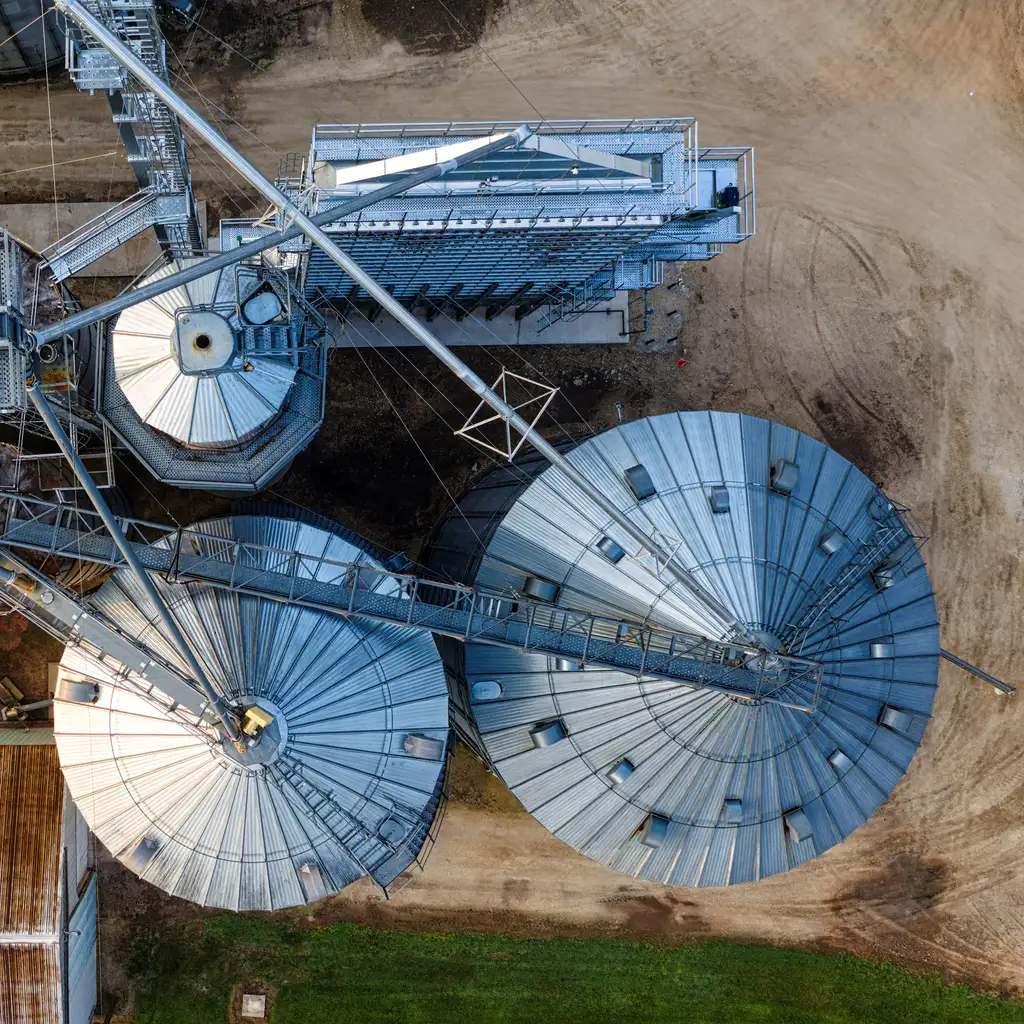
You receive and store bulk grain, and may also dry it or move it through elevators and conveyors. Dust ignition, a failed dryer or grain that heats gradually can affect both your equipment and the producer's crop, but those losses do not all have the same insurance trigger.
The Southern Agency can review your drying and handling operations to help you choose appropriate insurance for your facility and the stored grain. We can discuss how to protect your silo structures and machinery while addressing the specific condition and valuation needs of stored commodities.
Airborne grain dust can ignite under hazardous conditions. Dryers, augers, and conveyors also create equipment and worker-injury risks.
Moisture, heating, mold, or aeration problems can affect quality. Gradual deterioration and guaranteed-grade promises are not automatically insured.
Producer-owned grain needs correct interests and values. Fumigants or treatment chemicals, if used, introduce separate release and safety questions.
Policies to ask about. Which ones fit depends on your operations, your contracts, and the carrier’s forms.
These hypothetical examples are not agency claim results. Whether a loss is covered depends on the facts, policy terms, and applicable exclusions.
Dust ignites and damages equipment and structures. Property may address covered fire/explosion loss if the cause and property fit; safety and policy conditions still need review.
Aeration failure is followed by grain deterioration. Suitable grain/spoilage or custody terms may address an insured loss, but heating, gradual deterioration, and quality exclusions can prevent payment.
An insured dryer failure stops receiving. Breakdown may address repairs and included interruption costs; missed harvest capacity and contract penalties are not automatically the covered income amount.
Start with the work you do and the questions your current policies leave unanswered. Carrier options depend on your location, risk, and underwriting. Explore our approach.
No. Gradual deterioration, inherent vice, and temperature/spoilage conditions need specific review.
Do not assume it. Inspect the actual perils, exclusions, structures, and conditions.
Not necessarily. Ownership and custody determine the interest to insure.
No. A qualifying failure and included interruption terms are required; penalties and lost opportunities can remain uninsured.
Bring your questions, current policies, and relevant contracts. An agent can review coverage terms, exclusions, and the information carriers ask for, then explain the options available to you.