

Legal liability for stored goods
As a bailee, the operation can be liable for damage to customers' stored property.
Try a different word, or check the spelling.
Your storage agreement can make a difference to how a customer's damaged goods are handled. Building cover, warehouse liability, and self-storage tenant insurance serve different purposes; the right combination depends on the space and services you provide.
The Southern Agency can help you review your warehouse and storage facility risks.
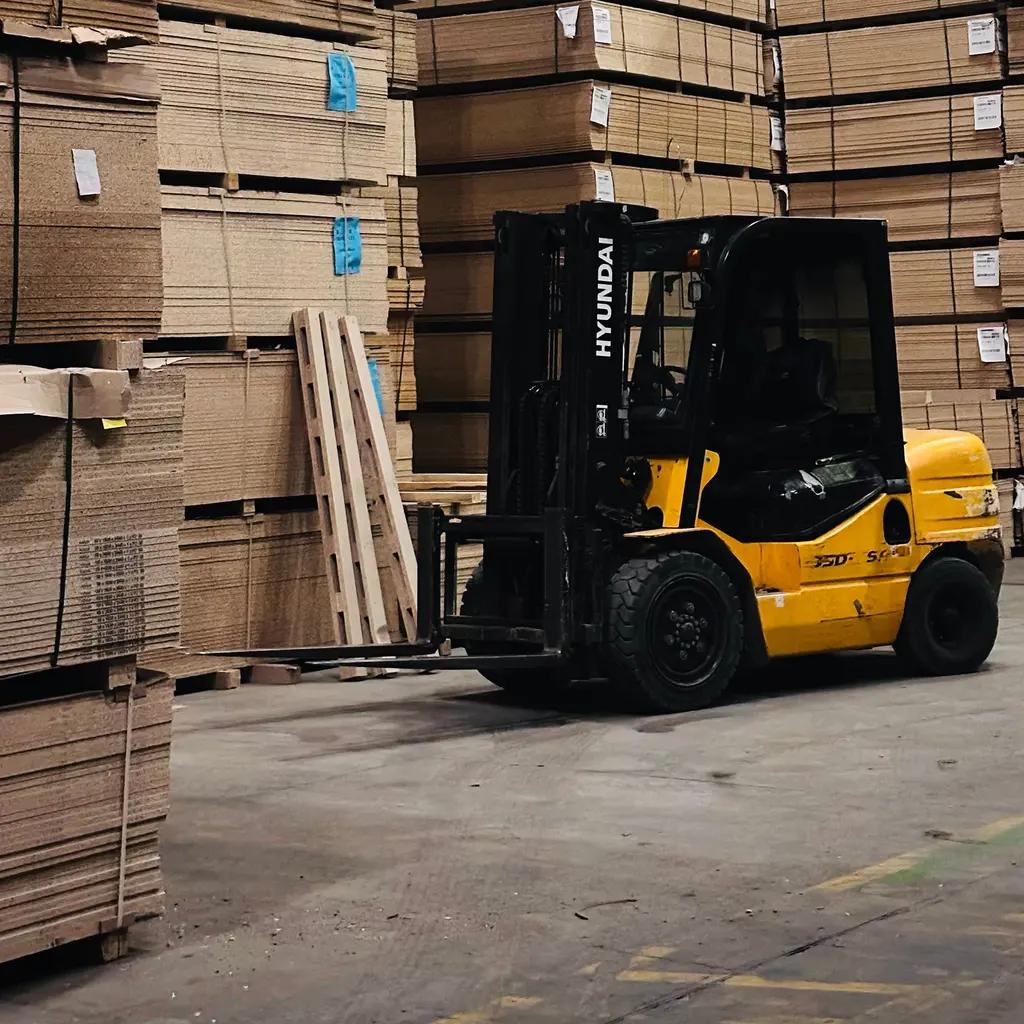
You may store goods for other businesses, provide temperature-controlled space or rent self-storage units. Fire, water or theft can damage what is stored, but your responsibility for the goods depends on the storage model and agreement.
The Southern Agency can review your facilities and custody arrangements to help you select insurance. We can discuss your own property and warehouse liability, keeping customer goods, self-storage tenant insurance, and any refrigeration-related benefits as separate questions.
Choose your business type to discuss insurance with The Southern Agency. If it isn’t listed, call an agent to ask whether we can place it.
As a bailee, the operation can be liable for damage to customers' stored property.
Large facilities holding dense inventory face significant fire and water exposure.
Forklifts and equipment create injury exposure for staff.
Cold-storage operations risk spoilage if refrigeration fails.
Valuable stored goods can attract theft and shrinkage.
A facility loss can interrupt operations and customer commitments.
Policies to ask about. Which ones fit depends on your operations, your contracts, and the carrier’s forms.
These hypothetical examples are not agency claim results. Whether a loss is covered depends on the facts, policy terms, and applicable exclusions.
Water damages a customer's goods in the warehouse's custody. Warehouse legal liability may respond if the operator is liable and the loss falls within the policy; it is not automatic payment for every damaged item.
A covered refrigeration breakdown spoils customer product. Review equipment repair, spoilage extensions, and liability for the goods separately; one does not establish the others.
A worker is injured in a forklift incident. Workers compensation may help with medical care and lost wages, subject to applicable rules.
Start with the work you do and the questions your current policies leave unanswered. Carrier options depend on your location, risk, and underwriting. Explore our approach.
Warehouse legal liability addresses the operation's responsibility for loss or damage to customers' goods in its custody, a key bailee exposure that standard property may not cover.
Operators commonly carry legal liability for stored goods, while owners of the goods may also carry their own coverage. Responsibility depends on contracts and policies.
Equipment breakdown coverage may help with loss from a covered mechanical or electrical failure, subject to policy terms.
Facilities holding valuable goods may face theft and employee-dishonesty exposure, which crime coverage can help address.
Customers storing valuable goods may require certificates of insurance and specific liability limits before entrusting property to the warehouse.
Bring your questions, current policies, and relevant contracts. An agent can review coverage terms, exclusions, and the information carriers ask for, then explain the options available to you.