

Transfer and staging
Goods can be crushed, stolen or sent to the wrong trailer. Some policies restrict terminal storage or misdelivery even when they cover road cargo.
Try a different word, or check the spelling.
Freight can be damaged in the short trip between two trailers. Make sure your cargo or terminal liability terms include that handoff, even if you never haul the load on the road.
Talk with The Southern Agency about your operation, policy terms, and the information carriers need.
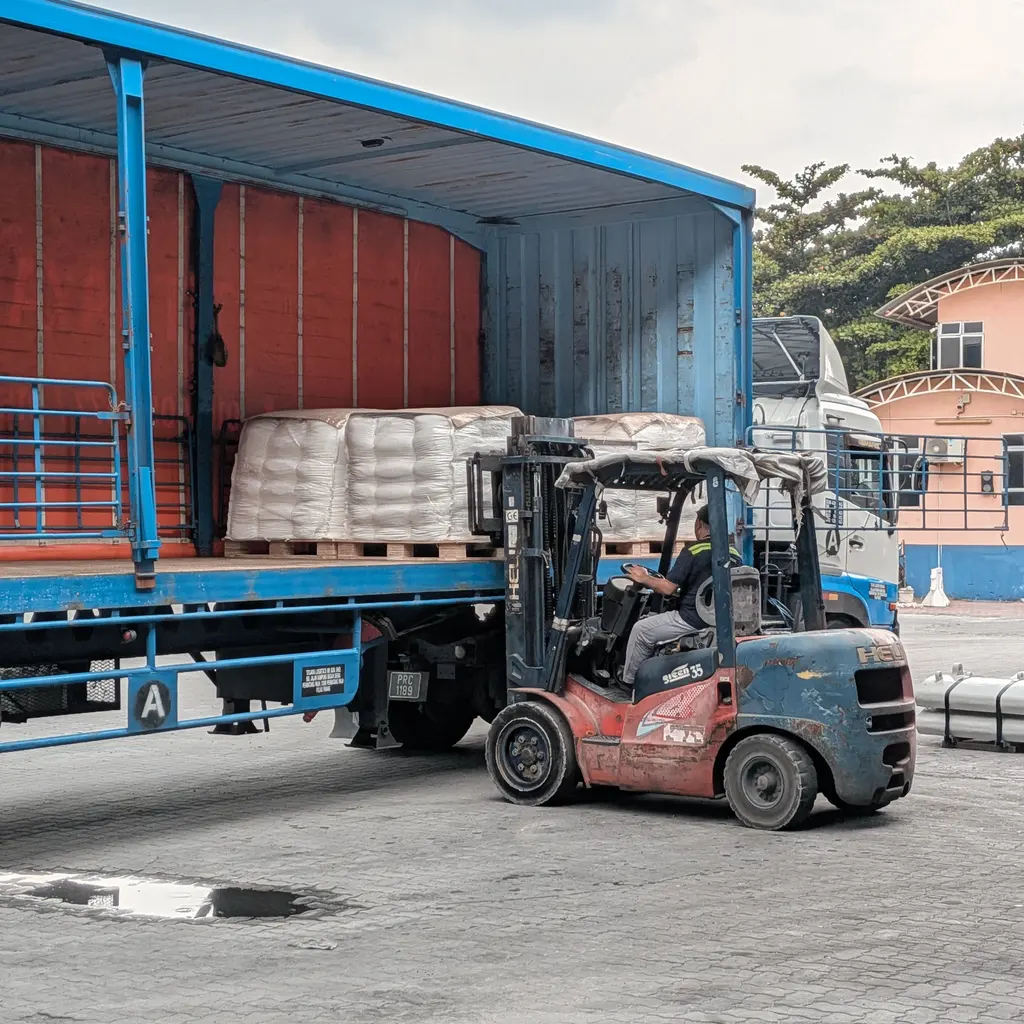
You transfer freight between inbound and outbound vehicles with minimal dwell time on the dock floor. Even though goods are only present for a short window, a dropped pallet or incorrect loading can cause immediate liability and damage claims.
The Southern Agency can review your dock operations and handling procedures to help you select appropriate freight coverage. For example, we can compare how your liability insurance handles goods in transit versus when they are staged temporarily on your premises.
Goods can be crushed, stolen or sent to the wrong trailer. Some policies restrict terminal storage or misdelivery even when they cover road cargo.
Hostlers, trailers, and forklifts interact with drivers and staff. Vehicle classification, ownership, and physical-damage interests affect the response.
Dock/conveyor failures can reduce throughput. Delays or contractual penalties do not automatically follow from insured physical damage.
Policies to ask about. Which ones fit depends on your operations, your contracts, and the carrier’s forms.
These hypothetical examples are not agency claim results. Whether a loss is covered depends on the facts, policy terms, and applicable exclusions.
A forklift drops freight during transfer. Suitable terminal/custody or cargo terms may respond if that stage is included; road-only cover may leave a gap.
A yard unit damages a non-owned trailer. Auto, trailer-interchange or other suitable physical-damage terms may apply depending on classification and agreements; one policy does not automatically pay both vehicles.
Freight is missing at shift change. An applicable theft/custody form may respond if evidence and security conditions fit; unexplained shortage or misdelivery may be excluded.
Start with the work you do and the questions your current policies leave unanswered. Carrier options depend on your location, risk, and underwriting. Explore our approach.
No. Transfer damage can occur before departure, and the form must include that stage.
No. Read terminal/storage definitions and insured operations; terminal liability may be separate.
Not automatically. Non-owned physical damage and custody agreements need specific review.
Not automatically. Physical repairs, interruption benefits, and contract penalties have different triggers.
Bring your questions, current policies, and relevant contracts. An agent can review coverage terms, exclusions, and the information carriers ask for, then explain the options available to you.