

Animals die or become injured
Heat, disease, crowding, and handling can affect stock, but mortality terms vary sharply.
Try a different word, or check the spelling.
Your responsibility for an animal can change between purchase, holding and delivery. Review those handoffs before a loss puts ownership or care duties in dispute.
Talk with The Southern Agency about your operation, policy terms, and the information carriers need.
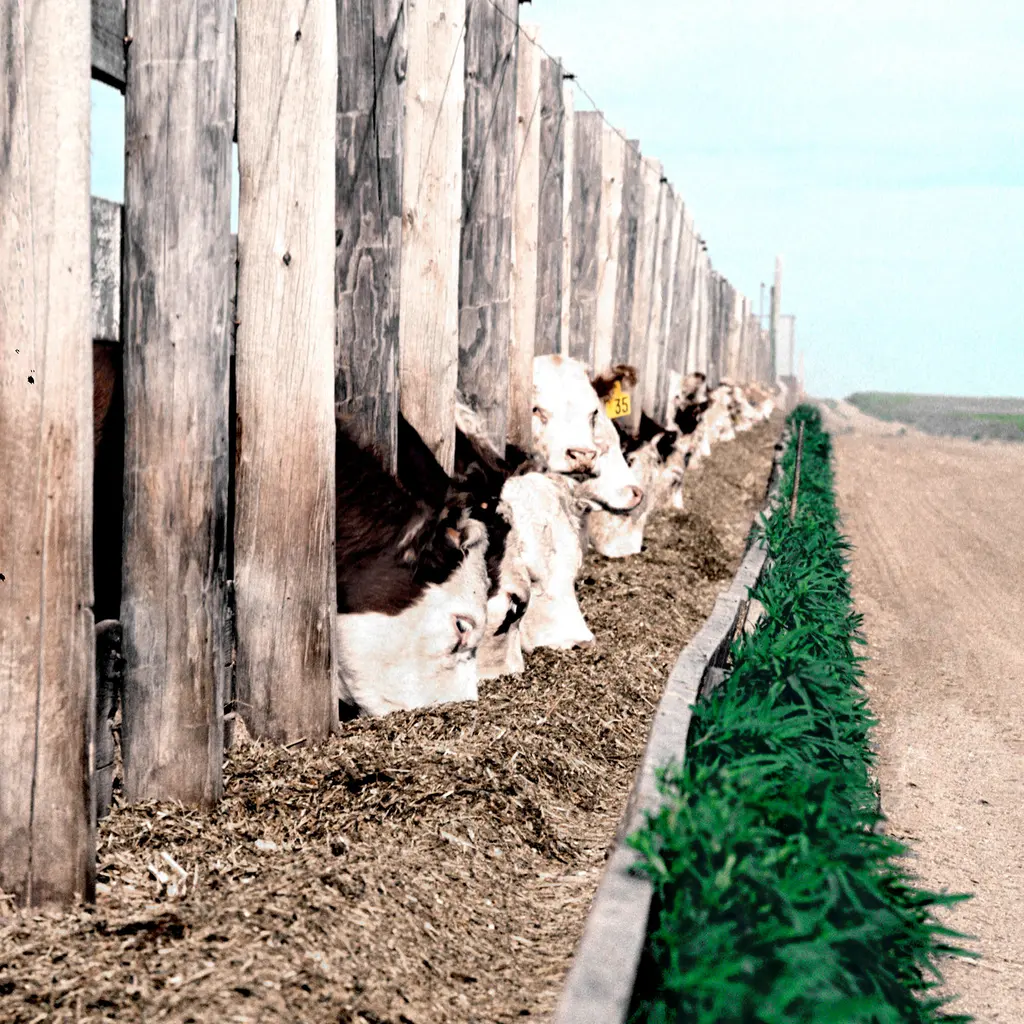
You buy livestock, hold animals in yards and arrange their sale to processors, feedlots or other dealers. An animal injured during loading creates a different financial problem from an escaped animal causing a road accident.
The Southern Agency can review who owns the animals at each stage and who handles their care and hauling. We can help you compare specialty livestock terms with liability and environmental protection, including the disease and quarantine limits that matter to your yard.
Heat, disease, crowding, and handling can affect stock, but mortality terms vary sharply.
A broken gate or loading incident can send animals onto a public road.
Chutes, ramps and unpredictable animals create kick, crush and trampling hazards.
Manure releases, quarantine, and condemnation can bring cleanup or business losses.
Policies to ask about. Which ones fit depends on your operations, your contracts, and the carrier’s forms.
These hypothetical examples are not agency claim results. Whether a loss is covered depends on the facts, policy terms, and applicable exclusions.
Cattle escape through a damaged yard gate and cause a road collision. Liability depends on the alleged negligence; review general liability and any vehicle involvement separately from the value of the animals.
Several animals die during a hot-weather haul. A transit limit alone does not establish coverage: the livestock policy must include the animals, the journey and the cause of death.
A handler is crushed against a chute while moving cattle. Workers' compensation depends on worker status and applicable state rules, with the animal-handling duties disclosed.
Start with the work you do and the questions your current policies leave unanswered. Carrier options depend on your location, risk, and underwriting. Explore our approach.
Specialty terms may address particular animals and causes; ordinary cargo is not comprehensive mortality insurance.
Responsibility and policy allocation depend on how the animals escaped, vehicle involvement, and negligence.
Review runoff and odor exposure against environmental terms; GL pollution exclusions may restrict claims.
Declare animal handling and hauling duties for employee protection, with actual state rules considered.
Disease, quarantine, condemnation, and income loss can be excluded or narrowly covered; confirm each interest.
It may provide additional limits for accepted primary claims, not broader livestock mortality protection.
Bring your questions, current policies, and relevant contracts. An agent can review coverage terms, exclusions, and the information carriers ask for, then explain the options available to you.