

Dust ignites
Suspended combustible dust can spread fire or explosion through handling systems.
Try a different word, or check the spelling.
Harvest receiving can depend on your dryer or aeration system while the crop's quality changes for several possible reasons. Grain protection needs to distinguish machinery repair from moisture, pests, and resulting stock loss, with bulk domestic and export movements addressed on their own terms.
Talk with The Southern Agency about your operation, policy terms, and the information carriers need.
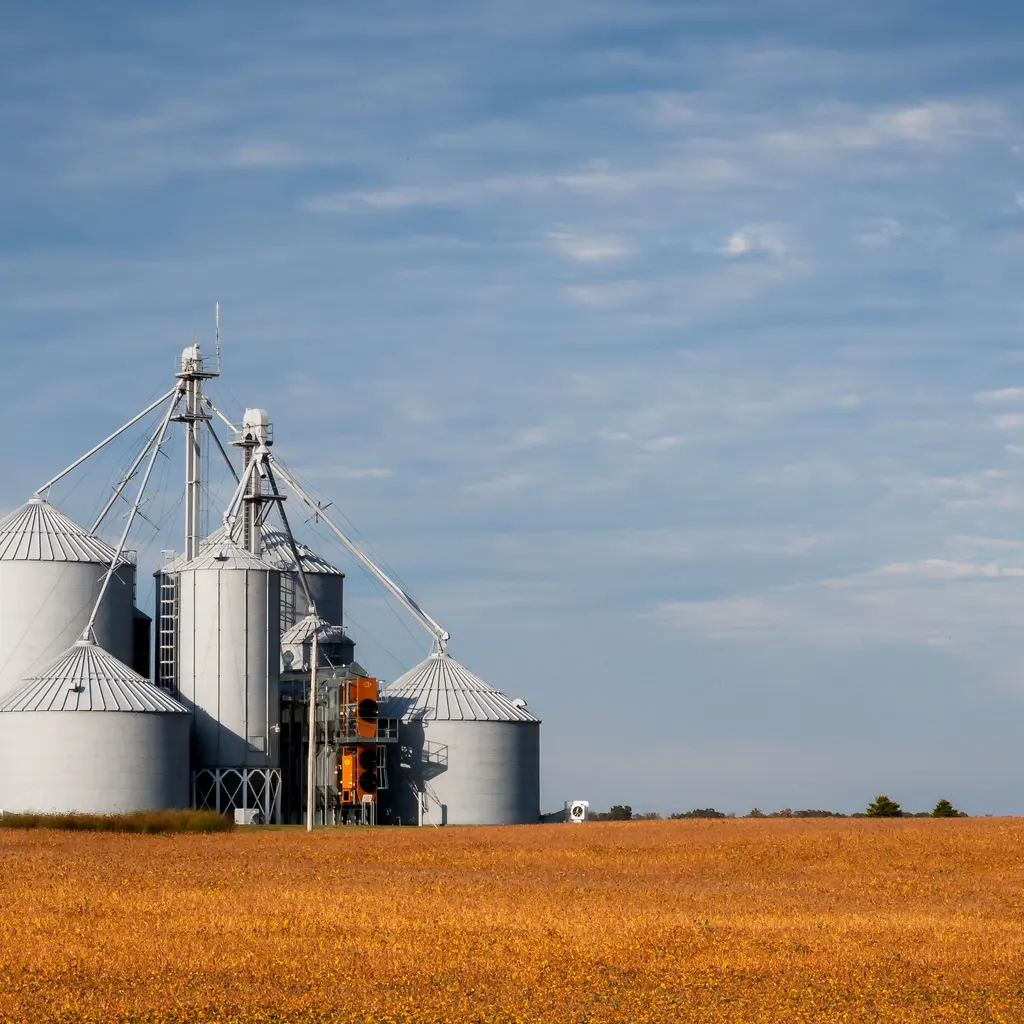
You receive, condition and ship high volumes of crops using specialized facilities like grain elevators and dryers. A mechanical failure in your drying system or a dust ignition event can cause significant facility damage and degrade the quality of your stored crops.
The Southern Agency can review your conditioning, storage, and bulk transit processes to help you select appropriate insurance. We can evaluate your property and equipment breakdown terms to see how they may address dryer damage and the subsequent quality loss of your stored grain.
Suspended combustible dust can spread fire or explosion through handling systems.
Moisture, heating, mold, and pests can reduce grain quality without an insured accident.
A dryer, conveyor or aeration failure can interrupt harvest receiving.
Truck/rail shipments face damage; bin entry and augers create engulfment and entanglement hazards.
Policies to ask about. Which ones fit depends on your operations, your contracts, and the carrier’s forms.
These hypothetical examples are not agency claim results. Whether a loss is covered depends on the facts, policy terms, and applicable exclusions.
A dust ignition in a grain elevator damages handling equipment and stops receiving. Property may help with covered fire or explosion damage to the insured structures and grain. Purchased income terms govern the eligible interruption period; rebuilding costs, customer-grain interests and missed harvest receipts need their own values and limits.
Stored beans heat up after moisture conditions go unnoticed, and mold reduces their grade. Establish the cause and whose crop is held before reviewing deterioration and stock terms. A lower grade or a promise to return a specified quantity does not by itself establish covered accidental damage or payment for lost market value.
A dryer drive suffers internal damage during harvest and receiving slows while repairs are made. Breakdown may help repair the drive after an accepted event. Damage to crops awaiting conditioning and lost income need the relevant purchased extensions; incoming trucks, ordinary moisture management and a shipping backlog alone do not establish those benefits.
Start with the work you do and the questions your current policies leave unanswered. Carrier options depend on your location, risk, and underwriting. Explore our approach.
Combustible dust can spread a severe loss through connected handling equipment. Controls and declared processes matter to underwriting.
Only suitable covered causes qualify; moisture, heating, pests, and mold can be excluded.
Qualifying breakdown may address repair, but stock deterioration and income need their own terms.
Fumigants and dust can create environmental claims that GL may restrict; review substances and release scope.
Match transit terms to ownership, truck/rail legs, and any international movement.
Engulfment and machinery duties should be declared for employee protection; insurance does not replace safe entry procedures.
Bring your questions, current policies, and relevant contracts. An agent can review coverage terms, exclusions, and the information carriers ask for, then explain the options available to you.