

Tank or vapor fire spreads
Stored product and connected infrastructure can be damaged in one event.
Try a different word, or check the spelling.
One disabled loading rack can leave fuel in your tanks and trucks waiting outside. Review the equipment and income protection behind your terminal's throughput.
Talk with The Southern Agency about your operation, policy terms, and the information carriers need.
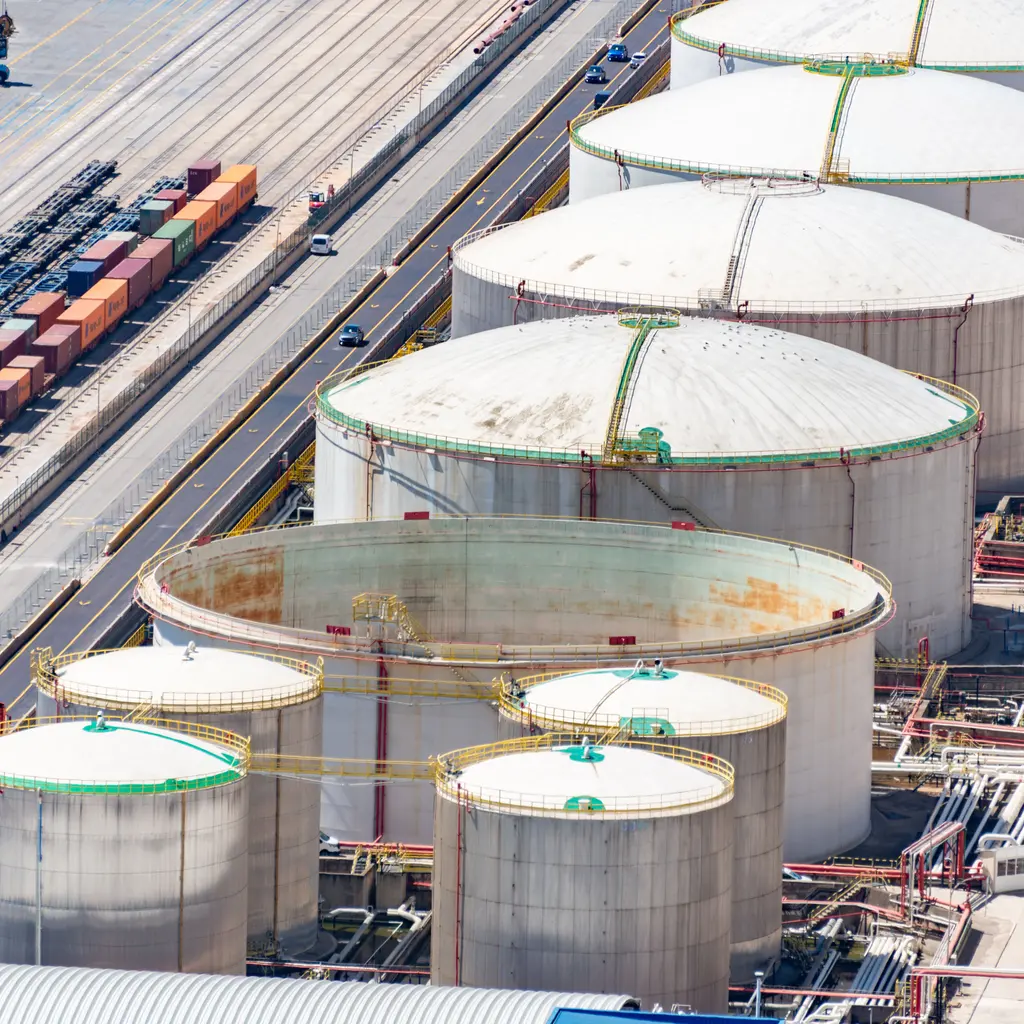
You handle bulk fuel transfers via pipelines, trucks, or barges, with operations centered on fixed tank farms and loading equipment. A fire or release at your site can cause severe property damage and threaten the surrounding environment, while a failed pump can stop your entire throughput.
The Southern Agency can review your tank storage and transfer operations to help identify appropriate insurance. We can separate protection for terminal assets and customer fuel from pollution liabilities, then examine what a covered pump failure would mean for your throughput income.
Stored product and connected infrastructure can be damaged in one event.
Tank, line, or transfer releases can contaminate soil or water, including gradual conditions.
Pumps, meters, and electrical systems can interrupt loading.
Visiting carriers, confined spaces, and transfer work create operating and employee risks; regulatory shutdown costs are separate.
Policies to ask about. Which ones fit depends on your operations, your contracts, and the carrier’s forms.
These hypothetical examples are not agency claim results. Whether a loss is covered depends on the facts, policy terms, and applicable exclusions.
Lightning ignites fuel in a tank and damages connected equipment. Property and qualifying business-income terms address different physical repair and earnings losses; review customer fuel interests as well as terminal assets.
A leaking tank seam allows product to escape containment and reach soil. Environmental coverage depends on the release terms, relevant dates, what was already known and the cleanup interests insured.
An electrical failure disables a loading pump and stops dispatches. Equipment breakdown may address a qualifying failure, with income covered only under the linked terms; wear, corrosion and routine maintenance are different causes.
Start with the work you do and the questions your current policies leave unanswered. Carrier options depend on your location, risk, and underwriting. Explore our approach.
This guide emphasizes fixed tankage and throughput; wholesalers may also store fuel, so the boundaries can overlap.
Only insured interests and accepted tank/rack terms qualify; customer fuel and catastrophe restrictions need review.
Suitable environmental terms may address covered releases, with historic dates and known conditions decisive.
A single critical pump can stop loading; repair and income need appropriate covered causes.
Only a qualifying trigger applies. A regulatory-only shutdown or routine maintenance is not automatically insured.
Choose limits against site, neighbor, and contract exposures, with pollution-following wording rather than limit size alone.
Bring your questions, current policies, and relevant contracts. An agent can review coverage terms, exclusions, and the information carriers ask for, then explain the options available to you.