

Struck-by and laceration injuries
High-speed diamond blades and wire saws can kick back, bind, or throw debris, exposing operators and bystanders to severe cuts and amputation injuries.
Try a different word, or check the spelling.
The opening you cut becomes part of a structure that must keep doing its job. Your liability review needs to account for the surrounding building and hidden services, not only the saw rig.
The Southern Agency can help you align your cutting operations with necessary liability, equipment, and pollution insurance.
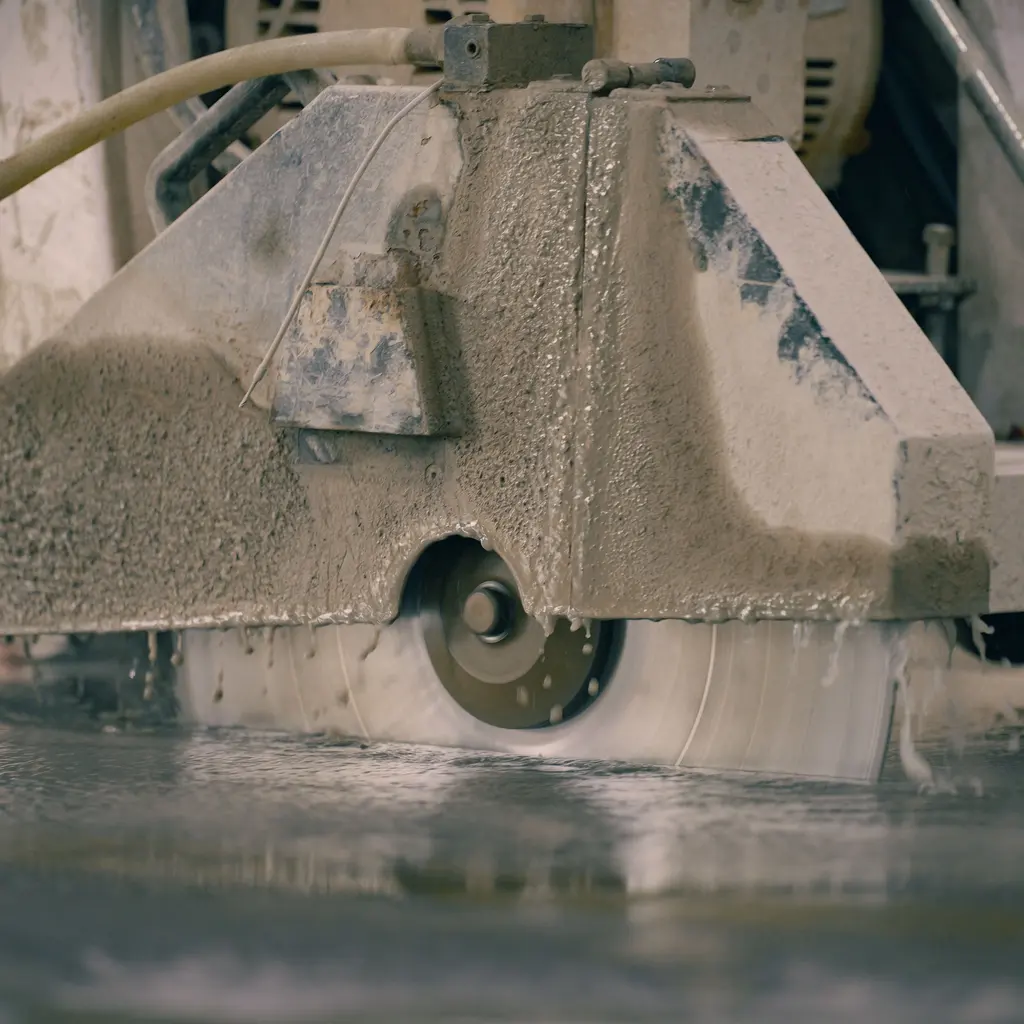
You use diamond-blade, wall and wire saws to create openings in slabs, foundations, and decks, where a hidden utility strike or structural compromise can jeopardize your project. Dry cutting can release silica dust, while wet methods require careful slurry management to avoid contamination or property damage.
The Southern Agency can review your specific cutting methods and structural responsibilities to help you select appropriate insurance, such as pollution coverage for slurry disposal or inland marine protection for mobile saw rigs. We can also help coordinate your liability limits to address third-party claims should a misplaced cut weaken a building's host structure.
High-speed diamond blades and wire saws can kick back, bind, or throw debris, exposing operators and bystanders to severe cuts and amputation injuries.
A cut can rupture buried or embedded gas, water or electrical services. Striking a post-tension tendon is a different hazard involving stored energy and structural integrity; it is not simply another utility outage.
Removing or weakening load-bearing concrete can compromise a structure, leading to costly repairs or third-party property claims.
Dry cutting releases respirable crystalline silica, while wet cutting produces slurry runoff that can trigger health and environmental concerns.
Diamond saws, wall-saw tracks, and wire rigs are valuable, portable tools that can be stolen from trucks or job sites or damaged in transit.
Cuts that are off-line, oversized, or in the wrong location may force rework and disputes with general contractors over schedule and cost.
Policies to ask about. Which ones fit depends on your operations, your contracts, and the carrier’s forms.
These hypothetical examples are not agency claim results. Whether a loss is covered depends on the facts, policy terms, and applicable exclusions.
Hypothetical: a slab cut strikes unmarked conduit and the building loses power. Identify line damage, resulting damage or loss of use and each customer's financial demand separately. GL may address covered injury or property damage, but not every outage charge or cost of correcting the cut. Preserve scanning results, markings and cut approvals.
Hypothetical: a wall saw binds and injures the operator's hand. Workers' compensation may provide qualifying medical and wage benefits under applicable law. Identify the actual employer and duties; injury to another firm's worker requires separate liability review.
Hypothetical: a trailer holding wall-saw equipment is stolen overnight from a job site. Inland marine may help with covered theft of insured saws and accessories. Review power packs, values, rented items and site and vehicle security terms. The equipment schedule does not automatically insure the trailer itself or every item inside.
Start with the work you do and the questions your current policies leave unanswered. Carrier options depend on your location, risk, and underwriting. Explore our approach.
Discuss liability for resulting harm, employee benefits, mobile saws and rigs, vehicles, actual pollution needs, and excess limits together. Describe wet and dry methods, structural or post-tension work and subcontracted duties. Availability and limits depend on actual operations, employers and contracts, not a standard package or automatic silica acceptance.
Inland marine coverage may help protect mobile saws and rigs against theft and damage on the job or in transit, depending on policy terms and scheduled limits.
GL may address covered resulting injury, property damage or loss of use under actual cutting and work-property terms. Preserve scanning, marking and authorization records and separate conduit or host-structure damage from correcting the misplaced cut and downstream financial outage demands. An unmarked line does not establish coverage or payment of every downtime charge.
Review actual GL and pollution terms for silica acceptance, third-party injury, contamination, and cleanup; neither the cutting label nor a pollution policy confirms them. Wet methods still require dust and slurry review. Qualifying employee illness is a separate workers' compensation question under applicable law and exposure periods, not automatically an environmental claim.
Many agreements request GL and excess limits and ongoing and completed-operations additional-insured rights. Compare actual requests with issued endorsements, accepted structural and cutting duties, underlying schedules, and exclusions. A certificate or higher limit does not add missing rights or establish that every requested term is met or available.
Requirements depend on actual employers, employees, subcontracted labor and work states under applicable law. Coverage may provide qualifying injury or occupational-disease benefits. Provide payroll, blade and dust duties and exposure periods rather than assume one headcount threshold or a subcontractor certificate resolves every obligation.
Bring your questions, current policies, and relevant contracts. An agent can review coverage terms, exclusions, and the information carriers ask for, then explain the options available to you.