

Mass stock mortality
Oxygen loss, water-quality crashes, disease, or temperature swings can kill an entire batch of fish or shellfish in a very short window.
Try a different word, or check the spelling.
You watch water conditions because the value of your stock depends on them. Choosing insurance means looking beyond the tanks and pumps to the animals they sustain.
Bring species and life-stage values, system and backup-power details, sites and discharge points, processing duties and actual worker roles.
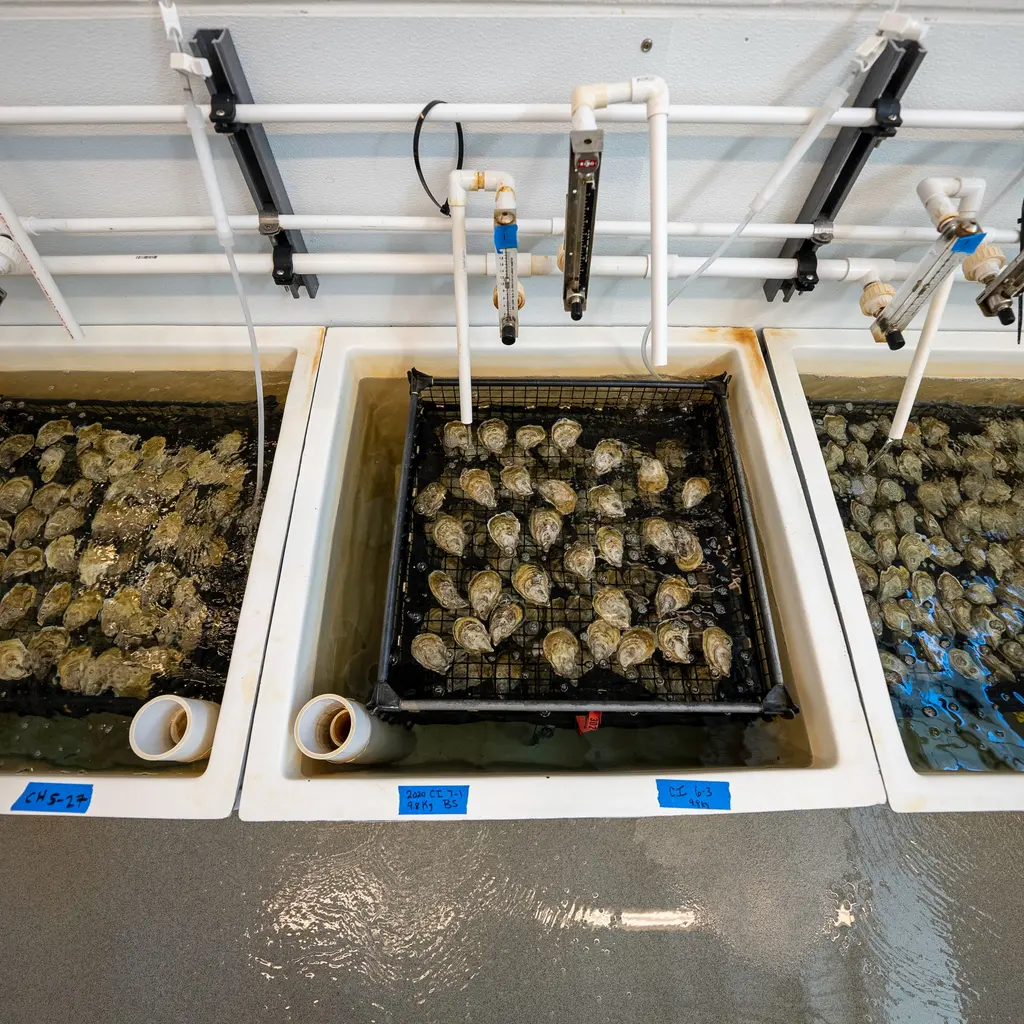
You raise fish or shellfish in a system that may use indoor tanks, ponds, or coastal growing areas. A life-support failure can kill stock even when the building is undamaged, leaving a different loss from the cost of fixing a pump.
The Southern Agency can review your species, growing stages, and production system to help you choose appropriate insurance. We can compare equipment protection with any available live-stock terms, keeping mortality and machinery repairs as separate coverage questions.
Oxygen loss, water-quality crashes, disease, or temperature swings can kill an entire batch of fish or shellfish in a very short window.
Aerators, pumps, filtration, and recirculating systems are mission-critical, and a breakdown or power loss can be catastrophic to live stock.
Pathogens can spread rapidly through tanks or ponds, forcing depopulation and disrupting production cycles.
Discharging nutrient-rich water and the risk of stock escapement into natural waterways create pollution and regulatory concerns.
Ponds, tanks, hatchery buildings, and coastal systems are exposed to flooding, storm surge, and structural loss.
Fish and shellfish sold for consumption carry contamination and recall exposure if a foodborne-illness issue is alleged.
Policies to ask about. Which ones fit depends on your operations, your contracts, and the carrier’s forms.
These hypothetical examples are not agency claim results. Whether a loss is covered depends on the facts, policy terms, and applicable exclusions.
Hypothetical: an external power outage stops aerators and fish die from low oxygen. A stock-loss form would need to insure those animals and that cause. Equipment breakdown alone may not respond when no insured machine broke, and utility-service coverage may still exclude living stock.
Hypothetical: a treatment-system failure leads to an alleged damaging discharge. Environmental liability may address covered defense or cleanup under the declared operation and conditions. A permit violation, known condition, or fine is not automatically an insured expense.
Hypothetical: a buyer withdraws harvested product after a contamination concern. Product liability may address a later covered injury claim, but withdrawal without such a claim does not establish payment for testing, disposal, or replacement. Those expenses require applicable recall or contamination coverage and its own trigger.
Start with the work you do and the questions your current policies leave unanswered. Carrier options depend on your location, risk, and underwriting. Explore our approach.
That needs a species-, site-, and cause-specific review. USDA describes different shellfish and other aquaculture programs with limited eligibility and triggers; that does not establish coverage for all fish or shellfish. For any proposed form, confirm the insured life stages, valuation, mortality causes, and exclusions before relying on it.
A covered pump or aerator failure may be a machinery claim, but equipment repair, stock deaths, and lost production are separate losses. Check utility outages and backup-system failures too; no machinery breakdown may have occurred during an external outage.
Review effluent and other release exposures against ordinary liability exclusions and the proposed environmental wording. Escapement may not meet the form's pollution definition, and permit violations and penalties are not automatically covered.
Review product liability for covered injury or property-damage claims arising from the seafood and processing you perform. The farm's testing, withdrawal, disposal, and replacement costs are separate from those claims and need their own applicable coverage.
Check buildings, tanks, waterborne gear, and stock separately. A wind-covered building loss does not establish flood coverage or payment for escaped or dead stock. Each location and property type needs comparison with the insured perils and deductibles.
Premiums commonly reflect species, stock values, water-system type, equipment, discharge controls, and loss history. Final pricing depends on underwriting and the details of the operation.
Bring your questions, current policies, and relevant contracts. An agent can review coverage terms, exclusions, and the information carriers ask for, then explain the options available to you.