

Foodborne illness and recall
Shellfish sold for raw or undercooked consumption can expose consumers to harmful germs or biotoxins. Contamination can prompt illness claims and product withdrawals, which involve different costs.
Try a different word, or check the spelling.
You may have marketable shellfish and still be unable to harvest them. Insurance needs to distinguish a closure from damage to your stock or gear.
The Southern Agency can help you review your water and shore-side operations to identify relevant insurance protections.
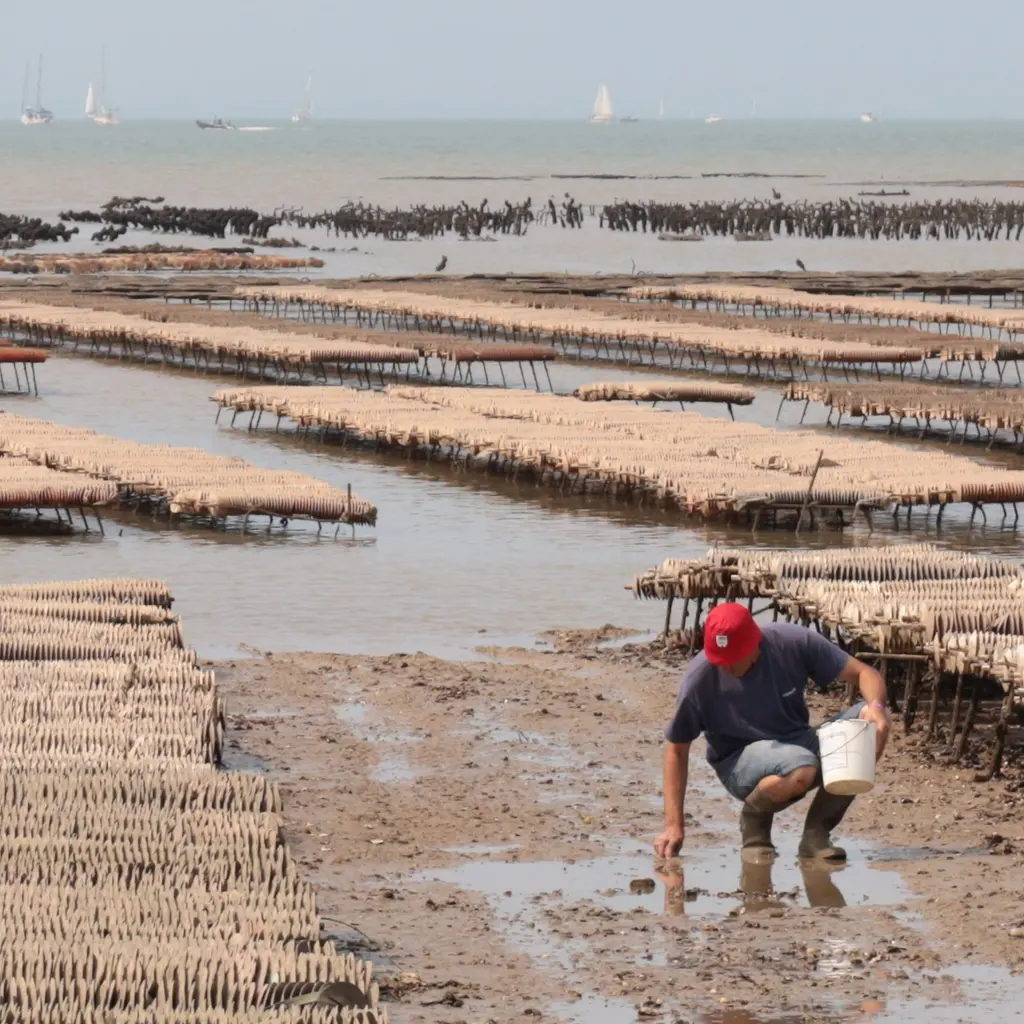
You raise shellfish in growing areas that may use bottom plots, cages or rafts. A storm can scatter gear and stock, while a water-quality closure can stop sales even when your shellfish remain marketable.
The Southern Agency can help you review your growing sites, harvest handling and vessel use against appropriate insurance. We can compare the terms for waterborne gear and stock with shore-side property, product claims and the separate consequences of a harvest closure.
Shellfish sold for raw or undercooked consumption can expose consumers to harmful germs or biotoxins. Contamination can prompt illness claims and product withdrawals, which involve different costs.
Algal blooms and water-quality events can disrupt harvest, affect shellfish, or delay sales. A closure and a physical stock loss need to be distinguished rather than assumed to occur together.
Cages, bags, rafts, and lines on the water can be damaged or scattered by storms and tides, destroying stock and equipment.
Unattended leases and gear on open water are exposed to poaching of marketable shellfish and damage to equipment.
Boats and barges used for tending and harvest carry marine exposures, including damage, sinking, and crew safety concerns.
Crews handling heavy gear in tidal and on-water conditions face drowning, slip, and musculoskeletal injuries.
Policies to ask about. Which ones fit depends on your operations, your contracts, and the carrier’s forms.
These hypothetical examples are not agency claim results. Whether a loss is covered depends on the facts, policy terms, and applicable exclusions.
Diners report illness after eating oysters traced to the farm and product is withdrawn. Applicable product liability terms may address covered injury claims and defense, subject to causes, exclusions, and limits. Withdrawal, disposal, replacement and customer charges need separate review rather than being assumed part of the same payment.
A storm damages cages and disperses growing shellfish. Gear terms would need to include the equipment, location, and cause; stock terms would need to include the species, growing stage, and loss. Do not assume either claim pays the other's value, recovery work, or the future sales lost while the site is restored.
A worker slips on a vessel's wet deck during harvest. Applicable worker or maritime employer coverage may address a covered claim after duties, status, and jurisdiction are established. A shore-side worker policy or the boat's damage insurance does not by itself establish the injured person's benefits.
Start with the work you do and the questions your current policies leave unanswered. Carrier options depend on your location, risk, and underwriting. Explore our approach.
Not automatically. Product injury claims and defense differ from withdrawal, disposal, replacement, and buyer charges. Compare the affected lots, alleged cause and agreements with the product and withdrawal terms instead of assuming one claim pays every cost.
No. Have the policy identify the equipment, water locations, stock species, and growing stages explicitly. Compare causes, values, and recovery costs separately; a listed cage does not establish a limit for its shellfish.
A closure, physical stock loss, and building damage are different facts. Ask what covered cause and trigger the income terms require and how waiting periods, restoration and limits apply. Lost sales, delayed growth cycles, and unfilled orders are not automatically insured because harvest is restricted.
A boat's damage is one interest. Review vessel liability, crew duties, pollution, gear, and stock on their own terms, including the areas and work involved. Repairing a boat does not establish benefits for an injured crew member or payment for lost shellfish.
No. Bring the written conditions and compare each requested interest, limit, and endorsement with the proposed policy. Public permit duties and private lease promises also need their own review; a certificate does not by itself establish compliance or change coverage.
Explain the services, lots, owner, and custody at each handoff. Compare product injury, spoilage, withdrawal, and the provider's liability with the agreements and policies. Outsourcing a stage does not automatically insure your stock or transfer every buyer claim.
Bring your questions, current policies, and relevant contracts. An agent can review coverage terms, exclusions, and the information carriers ask for, then explain the options available to you.