

Sudden stock mortality
Oxygen loss, disease, parasites, or temperature swings can kill a population of finfish in a short window, erasing months of growth.
Try a different word, or check the spelling.
You build stock value as fish grow, not just when a harvest sells. That growing value belongs in the insurance discussion alongside the water systems keeping them alive.
Bring species and life stages, peak biomass values, shared-system and backup details, pen leases and actual processing or vessel work.
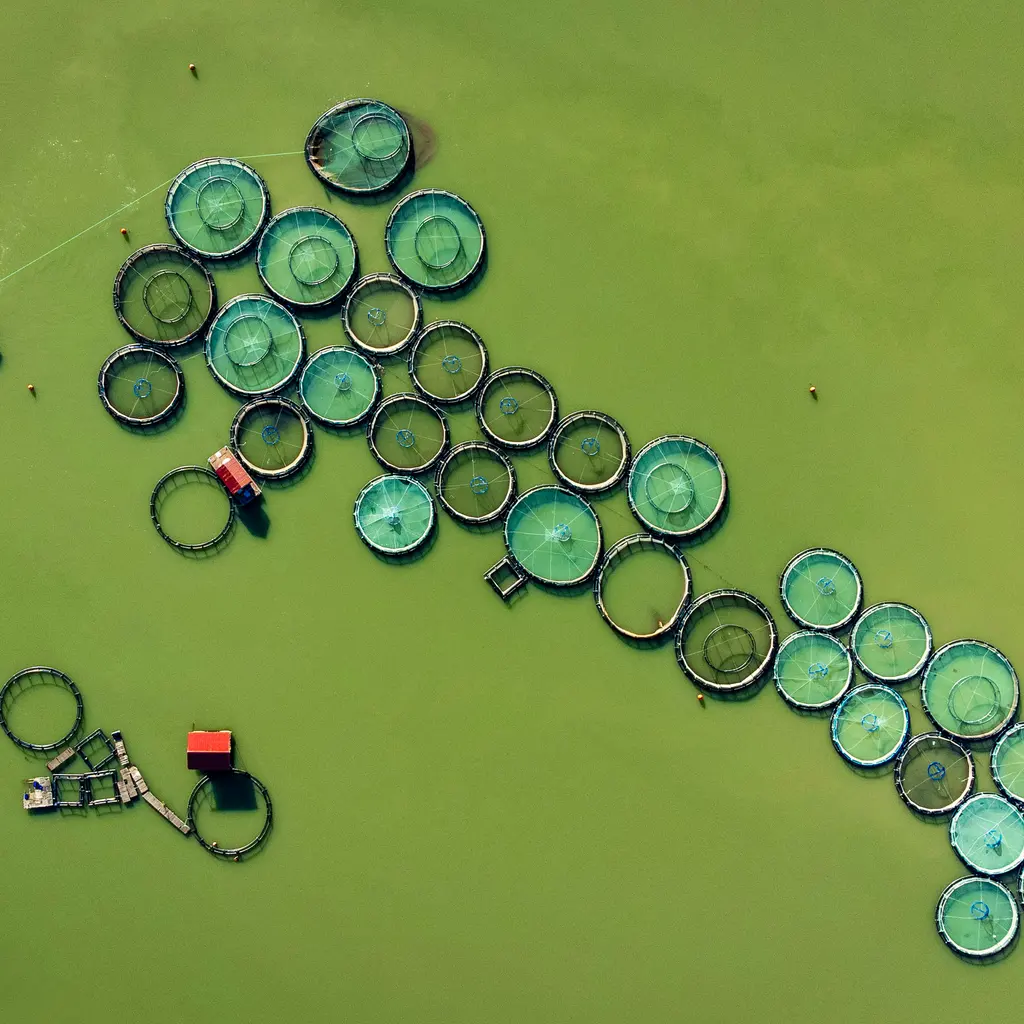
You raise finfish in ponds, tanks or net pens, building stock value from hatchery to harvest. A shared pump failure can kill fish in several tanks, while a breached pen can mean lost stock and separate allegations about what escaped into surrounding water.
The Southern Agency can review your specific water systems and harvesting activities to help select appropriate insurance. For example, we can help distinguish between equipment breakdown coverage for your pumps and the separate insurance needed for the mortality of the fish themselves.
Oxygen loss, disease, parasites, or temperature swings can kill a population of finfish in a short window, erasing months of growth.
A breached net pen, cage, or tank can release farmed fish into natural waters, prompting environmental allegations or regulatory questions depending on the event and applicable rules.
Aerators, pumps, and filtration keep fish alive, and a mechanical or power failure can be catastrophic to live stock.
Discharging nutrient-rich water can affect surrounding waterways, creating pollution and compliance concerns depending on operations.
Hatchery buildings, raceways, tanks, and net systems are exposed to storm, flood, and structural loss.
Fish sold for consumption carry contamination and recall exposure if a foodborne-illness issue is alleged.
Policies to ask about. Which ones fit depends on your operations, your contracts, and the carrier’s forms.
These hypothetical examples are not agency claim results. Whether a loss is covered depends on the facts, policy terms, and applicable exclusions.
Hypothetical: a shared circulation pump fails and fish die in several tanks. Equipment breakdown may address the covered machine failure, but an animal exclusion can leave the stock loss outside that form. Fish mortality and the next growing cycle need applicable stock and income terms, not just a pump-repair limit.
Hypothetical: a storm damages a pen and fish escape. Gear and stock coverage must each insure the property and cause. An environmental policy may not treat live-fish escape as a covered pollution event, and regulatory attention alone does not establish insured cleanup or penalties.
Hypothetical: a processor withdraws fish after a contamination concern and charges the farm for disposal. Product liability may address a later covered injury claim; withdrawal expenses and the processor's contractual charge need separate review. A withdrawal without insured injury does not itself establish product-liability payment.
Start with the work you do and the questions your current policies leave unanswered. Carrier options depend on your location, risk, and underwriting. Explore our approach.
Not automatically. Equipment breakdown can insure a covered machine failure while excluding living animals. Review stock mortality, shared-system accumulation, utility events, and any production-income terms separately.
Specialist aquaculture products can address specified fish-stock causes, but species, site, stages, valuation, exclusions, and conditions require confirmation. A carrier's broad product description is not proof that this farm or every cause is eligible.
Describe the actual water, oxygen, power, alarm and backup arrangements and which tanks or ponds share them. Provide peak stock values and prior loss records. Compare the proposed policy's system conditions with how your farm is actually supplied and monitored.
Do not assume escape meets the policy's pollution definition. Check the event, allegations, insured operations, and costs against the wording, separately from lost-stock and gear cover. Permit violations or penalties are not automatically insured.
Not merely because the bill concerns fish you supplied. Injury liability, the farm's withdrawal costs, and a buyer's contractual reimbursement claim are different. Review applicable recall or contamination provisions and the agreement.
Review the pen, moorings, shore property, and stock individually for location, perils, deductibles, and limits. A covered wind loss to gear does not establish flood coverage, stock-loss payment, or replacement-cycle income.
Bring your questions, current policies, and relevant contracts. An agent can review coverage terms, exclusions, and the information carriers ask for, then explain the options available to you.