

Animal loss and group values
Disease, heat, or other adverse conditions can affect breeding and production groups. Species, housing, ages, values, and actual causes matter when comparing animal-loss terms.
Try a different word, or check the spelling.
Your breeding animals, production stock and prepared pelts have different roles in the business. They also need different insurance consideration from the sheds and equipment around them.
The Southern Agency can help you review your herd management and operational risks to identify needed insurance coverage.
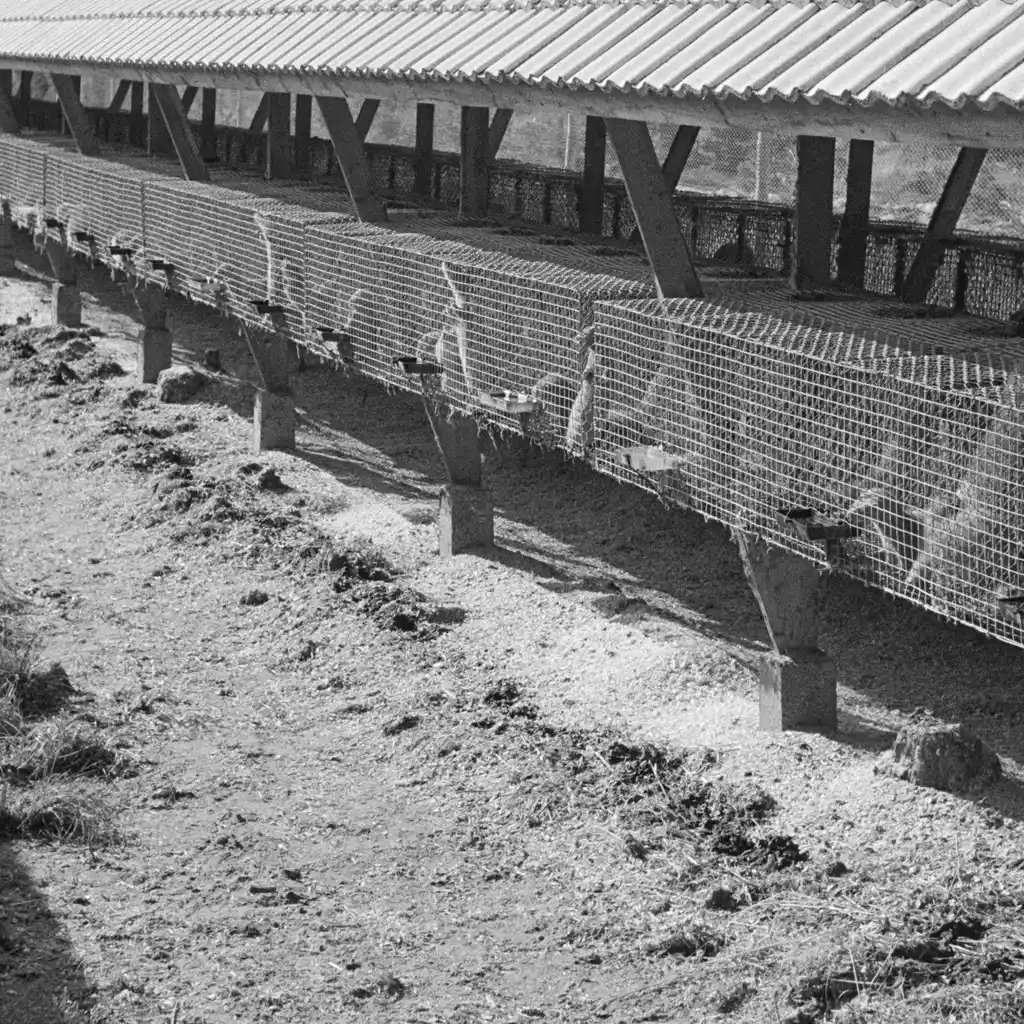
You raise captive animals for pelts, but an animal disease outbreak or a ventilation failure can threaten your entire herd. Managing your breeding stock, housing and feed requires careful attention to avoid losses that your building or liability policies may not cover.
The Southern Agency can review your husbandry and environmental control systems to help select appropriate insurance for your farm. We can help you distinguish between property damage to sheds and specific herd protections, for example, by assessing if your backup generators for climate control qualify for equipment breakdown coverage.
Disease, heat, or other adverse conditions can affect breeding and production groups. Species, housing, ages, values, and actual causes matter when comparing animal-loss terms.
Raw or prepared pelts awaiting sale concentrate value in storage or transit. Fire, theft, moisture, pests, and temperature change are separate causes to review rather than assumed covered events.
Contaminated or spoiled feed batches can sicken an entire shed of animals before the problem is identified.
Accumulated manure, runoff, and carcass handling create pollution and nuisance exposures that standard policies often exclude.
A damaged enclosure, missing stock, or deliberate release can produce different property, animal, recovery, and third-party claims. The cause and resulting loss need separate review.
Feed-mixing systems, automatic waterers, and cold storage are essential, and a breakdown can spoil feed or pelts and harm animals.
Staff feeding, vaccinating, and pelting animals face bites, repetitive-motion strain, and machinery exposure.
Policies to ask about. Which ones fit depends on your operations, your contracts, and the carrier’s forms.
These hypothetical examples are not agency claim results. Whether a loss is covered depends on the facts, policy terms, and applicable exclusions.
Hypothetical: a fire destroys the grading shed and stored pelts. Property terms may respond if the building and that stock are insured for the cause, location, ownership, and values. A building limit alone does not establish peak pelt cover, and an expected auction return is not automatically the valuation.
Hypothetical: a covered compressor failure changes cold-storage temperatures. Machinery repair and eligible spoilage have different conditions and limits. A form can exclude furs and animals from covered property, so a repair payment does not establish pelt, herd, or later production-loss reimbursement.
Hypothetical: an intruder cuts fencing, releases animals, and an escaped animal contributes to a road collision. Property damage, missing animals, recovery expense, and third-party liability require separate review. A release is not necessarily a covered theft, and crime coverage does not establish injury liability.
Start with the work you do and the questions your current policies leave unanswered. Carrier options depend on your location, risk, and underwriting. Explore our approach.
Do not assume so. Confirm the species, groups or individual interests, ownership, values, locations, and causes in actual animal-loss terms. Disease, heat, feed contamination, theft, and release are separate questions, and eligibility must be checked rather than inferred from a livestock label.
Not automatically. Forms can exclude furs and animals even when equipment is insured. Check covered property, failure cause, eligible spoilage, outside utility terms, limits, and any income period separately from machinery repair.
Separate raw, drying, prepared, and stored goods with ownership, location, peak values, and valuation records. Review off-site storage, processors, shipment, and auction custody rather than relying on one building limit or expected sale price.
A release is not necessarily theft of covered property. Review damage to pens, lost or missing animals, recovery costs, and any third-party injury under the relevant terms; employee/outside theft clauses do not establish all those payments.
Review actual conditions, handling methods, locations, and allegations with pollution definitions and covered operations. Routine disposal, odor, cleanup, contract costs, and penalties need separate confirmation.
Disclose that work and the goods held. Clarify custody, valuation, responsibility for loss, and any indemnity with the owner or processor, then compare the actual property and liability terms rather than treating another party's certificate as protection.
Bring your questions, current policies, and relevant contracts. An agent can review coverage terms, exclusions, and the information carriers ask for, then explain the options available to you.