

Fire from faulty wiring
Loose connections, undersized conductors, or overloaded circuits can ignite a fire well after the job is complete, driving severe completed-operations claims.
Try a different word, or check the spelling.
Much of your work disappears behind walls and ceilings once the building is finished. Completed-work liability matters long after the testing gear moves to the next job.
The Southern Agency can help you navigate the liability and safety challenges of electrical wiring with appropriate insurance.
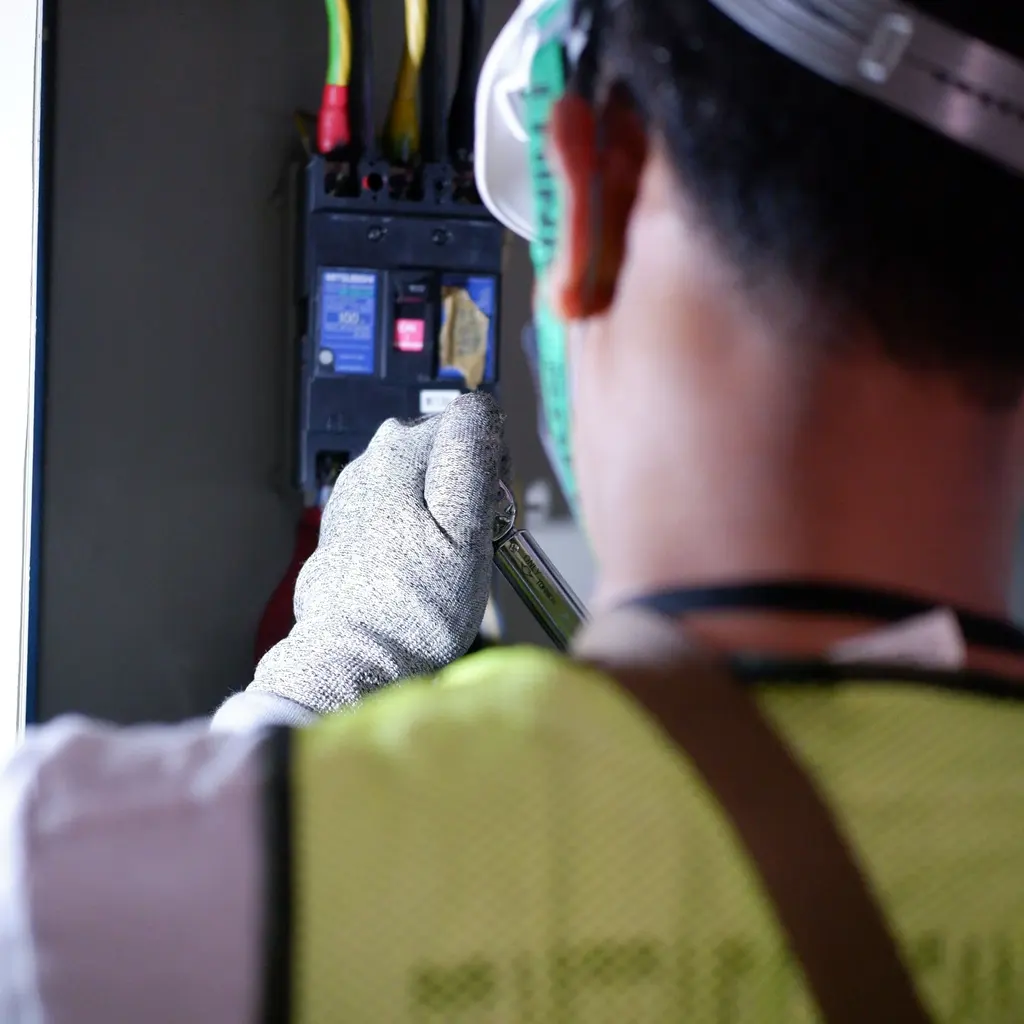
You route conductors, make connections and test circuits before work is hidden by walls and ceilings. A faulty termination may cause fire after handoff, while troubleshooting and overhead work expose your crew to shock, burns and falls. Any layout or load calculations add duties to describe.
The Southern Agency can review your actual wiring, energized-work and design responsibilities to help select insurance. We can compare completed-work liability, qualifying employee benefits and testing-equipment protection, keeping resulting harm separate from correcting a circuit or meeting a capacity promise.
Loose connections, undersized conductors, or overloaded circuits can ignite a fire well after the job is complete, driving severe completed-operations claims.
Working on or near energized circuits exposes electricians to electrocution and arc-flash burns during installation and troubleshooting.
Mistakes in circuit layout, panel sizing, or load calculations can create code violations and liability for resulting damage.
Routing wire through finished walls and ceilings risks damaging drywall, plumbing, or data and HVAC systems already in place.
Running conductors overhead and in ceilings exposes crews to falls during rough-in and fixture installation.
Meters, benders, drills, and specialty testing equipment are valuable and frequently stolen from trucks and job sites.
Policies to ask about. Which ones fit depends on your operations, your contracts, and the carrier’s forms.
These hypothetical examples are not agency claim results. Whether a loss is covered depends on the facts, policy terms, and applicable exclusions.
Hypothetical: a later fire is attributed to a remodel connection. GL completed-operations terms may address covered resulting building damage. Separate the defective connection and preserve testing, handoff, damage and investigation records and prior policies; a later discovery alone does not select the insurer or establish every repair is covered.
Hypothetical: connected equipment is damaged and the circuit sizing is questioned. Review actual design responsibility, defined professional services, damaged equipment and circuit correction separately under GL and E&O terms. Preserve approvals and test results; a design allegation does not automatically assign every repair or lost-production demand to E&O.
Hypothetical: an electrician suffers arc-flash burns at a panel believed de-energized. Workers' compensation may provide qualifying medical and wage benefits under applicable law. Identify the actual employer and duties and retain isolation records; employee benefits, another trade's injured worker and damaged equipment require distinct review.
Start with the work you do and the questions your current policies leave unanswered. Carrier options depend on your location, risk, and underwriting. Explore our approach.
These contractors commonly carry general liability with completed operations, workers' compensation, inland marine, business auto, and sometimes professional liability. The right mix depends on operations, subject to underwriting.
A connection can cause covered resulting injury or fire damage after handoff. Completed-operations terms deserve review separately from replacing defective wiring or satisfying a warranty. Keep work, completion, damage and discovery dates with prior policies; noticing a defect later does not by itself select a responding policy or extend its period.
Describe any circuit design, panel sizing, load specifications or delegated engineering you undertake. Professional liability may address a covered service allegation if those duties fit actual definitions, exclusions and reporting terms. Installing to someone else's approved design and promising capacity are not automatically the same professional obligation.
Inland marine commonly covers meters, benders, and test gear at job sites and in transit. Coverage depends on the specific policy and how items are scheduled.
Workers' compensation may respond to medical costs and lost wages from shock or arc-flash injuries, subject to policy terms and state requirements.
It may respond to resulting fire damage through completed operations, though exclusions can apply. Coverage depends on the specific policy and the facts of the loss.
Bring your questions, current policies, and relevant contracts. An agent can review coverage terms, exclusions, and the information carriers ask for, then explain the options available to you.